FENCE DESIGN & INSTALLATION SERVICES IN OREGON & WASHINGTON
Professional Fence Contractor Services Across the Pacific Northwest
Rick’s Custom Fencing & Decking is a professional fence installation contractor serving homeowners across Oregon and Washington. We provide full-service fence design and installation for residential properties, helping homeowners plan fences that fit their space, how their outdoor areas are used, and their long-term goals.
Rather than focusing on a single fence type, we work with a wide range of materials and design options. This allows us to recommend fencing solutions based on function, appearance, and performance — not just trends.
Start Your Project Today!
Fence Materials for Pacific Northwest Properties
Fence material is often the first step in narrowing your options. Each material offers a different look, level of maintenance, and lifespan, and many materials support a wide range of fence styles.
Rick’s works with a variety of fencing materials so we can recommend solutions based on how you use your property, your design preferences, and long-term performance. Most homeowners start with a simple goal — more privacy, a safe place for pets, or a fence that improves how their home looks. From there, material choice and layout work together to create the right overall solution.
Cedar Fencing
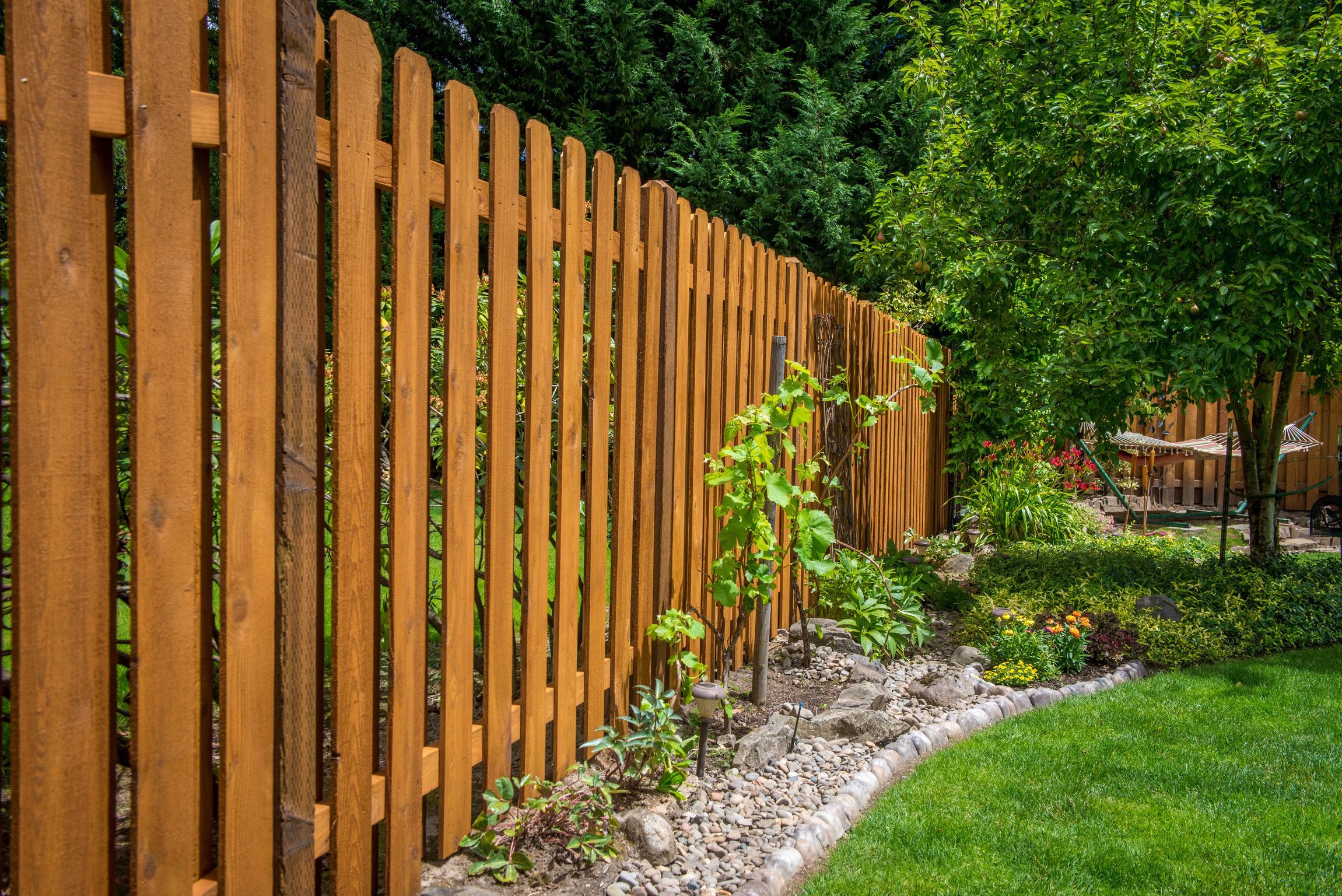
Cedar fencing is a popular choice throughout the Pacific Northwest for its natural appearance and design flexibility.
It can be built for privacy, semi-open layouts, decorative accents, or custom fence designs depending on how the property is used.
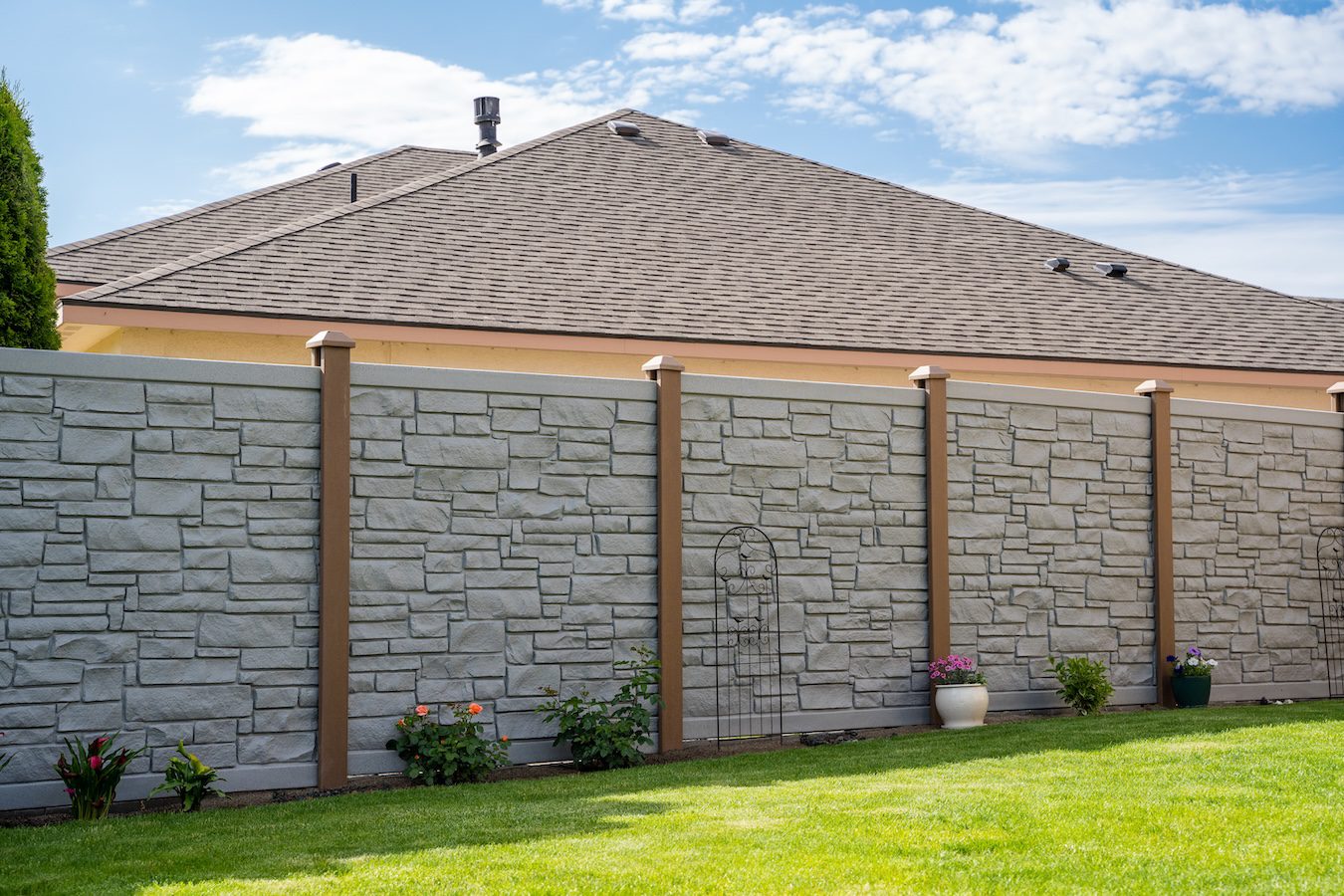
Simulated Fencing
Simulated and composite fencing options are designed for long-term performance with a polished appearance.
These materials are often chosen for durability and reduced maintenance compared to traditional wood.
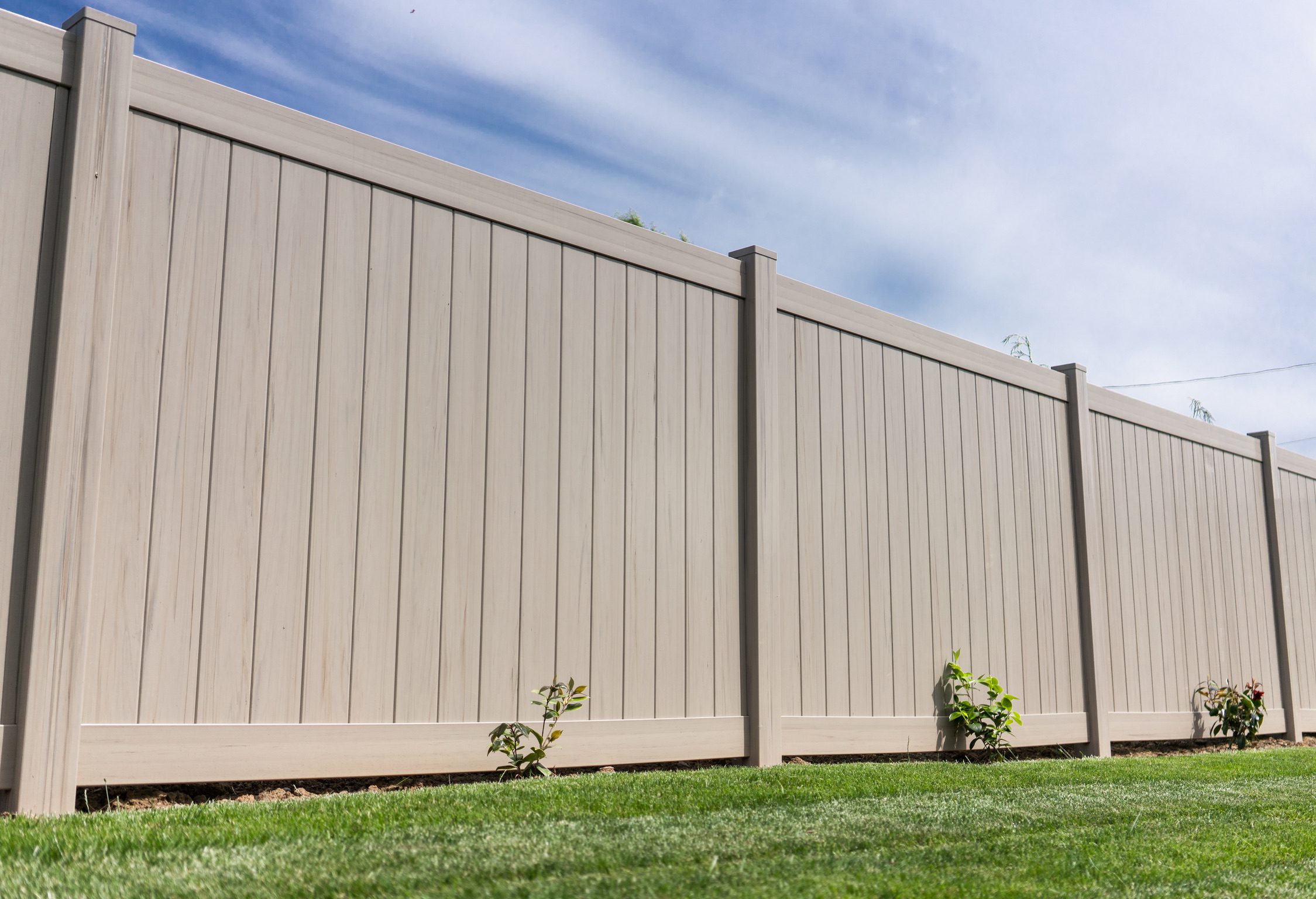
Vinyl Fencing
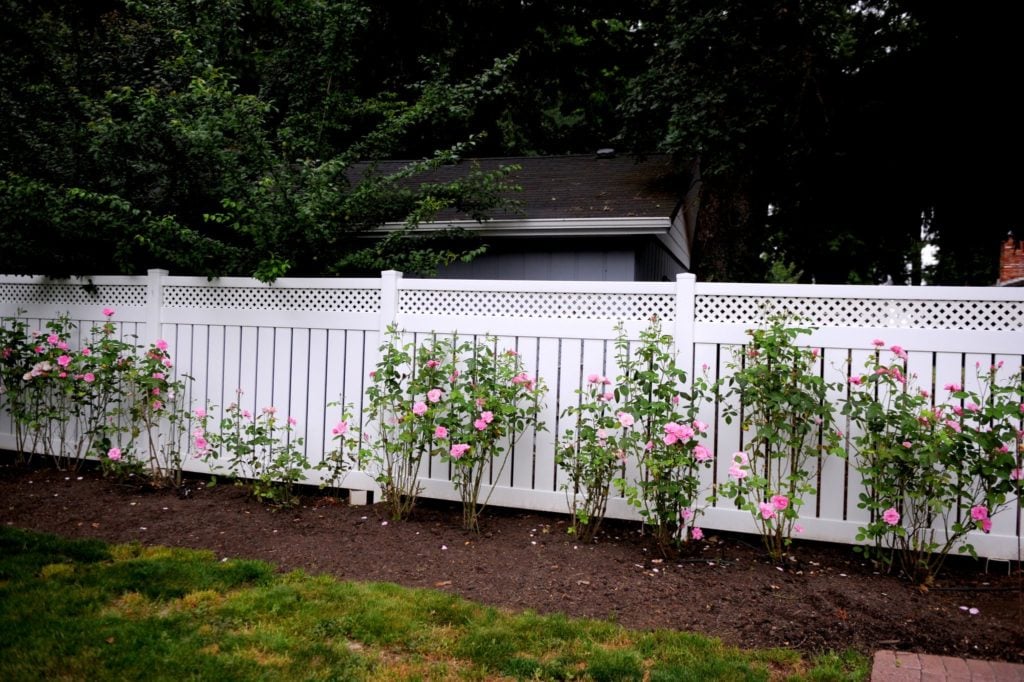
Vinyl fencing offers a clean, consistent appearance with minimal upkeep.
It is often selected by homeowners looking for long-term durability and a finished look that holds up well over time.
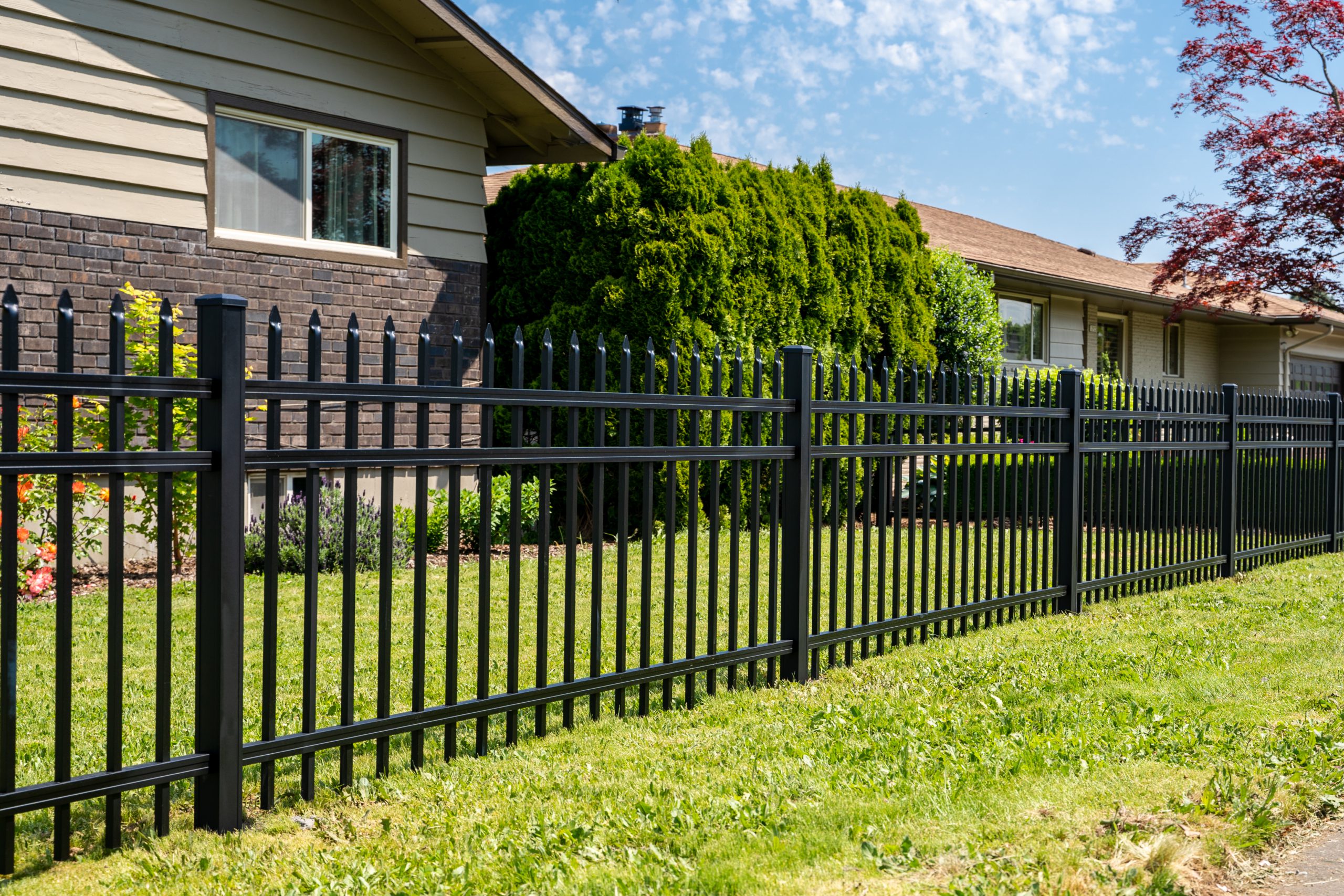
Aluminum Fencing
Aluminum fencing is commonly chosen where visibility and security are priorities.
It provides a refined appearance while maintaining openness, making it a good fit for front yards and defined boundaries.
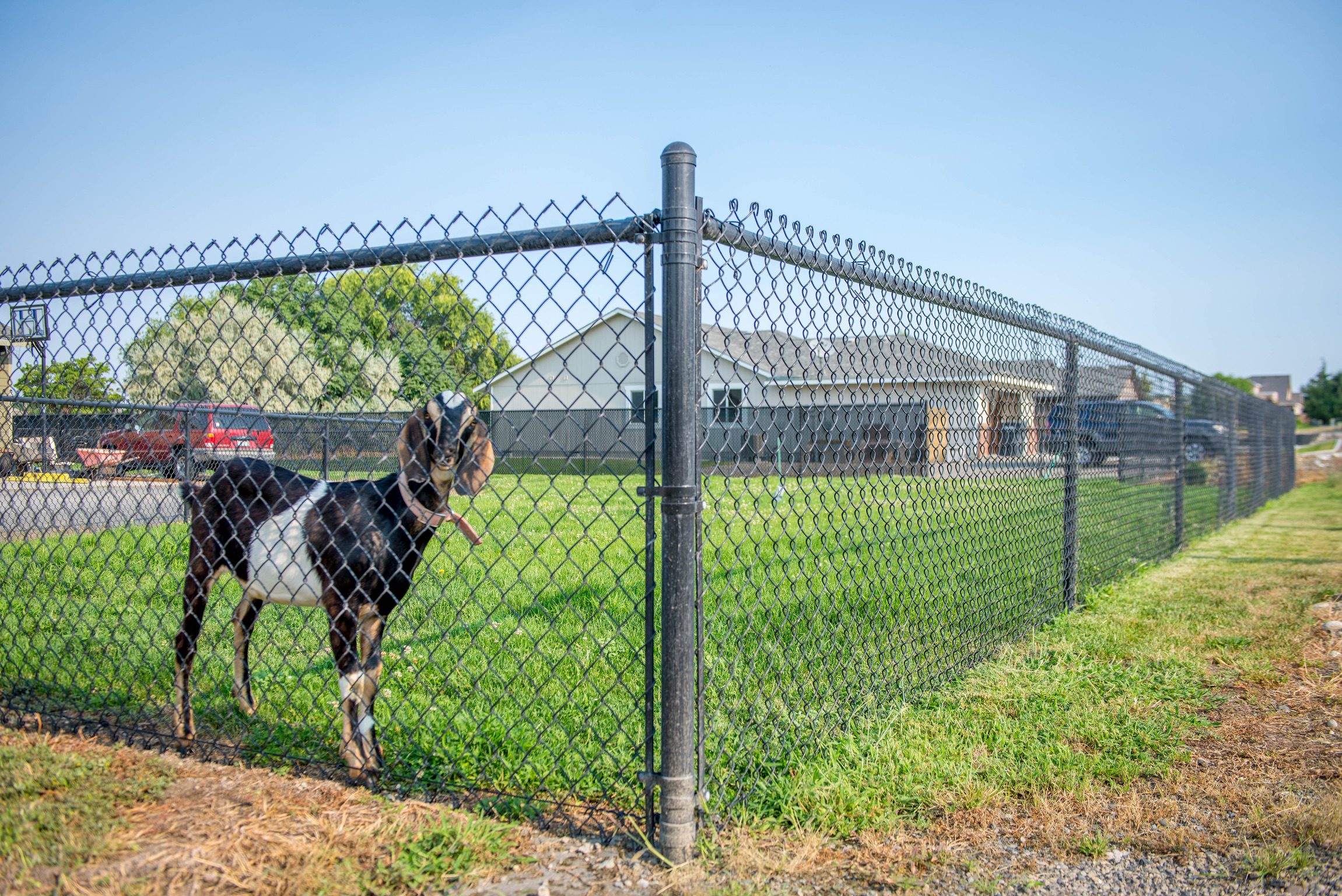
Chain Link Fencing
Chain link fencing is a practical option for security, pet containment, and larger property boundaries.
It is valued for durability and function, particularly where visibility is important.
Specialty & Property-Specific Fence Solutions
Some fencing projects go beyond traditional residential yard boundaries. Rick’s also designs and installs fencing solutions for larger properties and specialized applications.
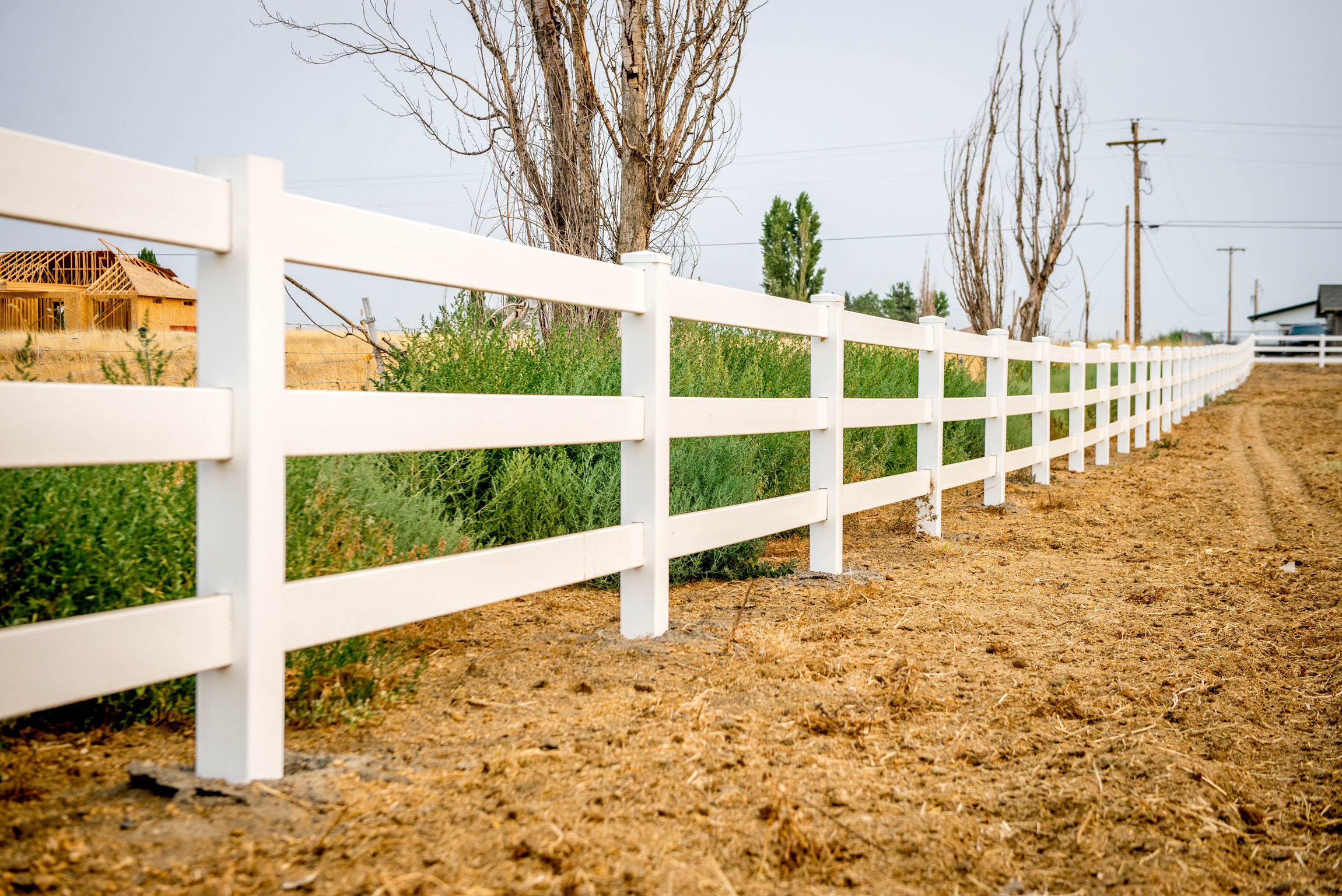
Pasture Fencing
Pasture fencing is commonly used on acreage, rural properties, and open land where durability and visibility are important. These fences are designed to define space while maintaining an open feel.
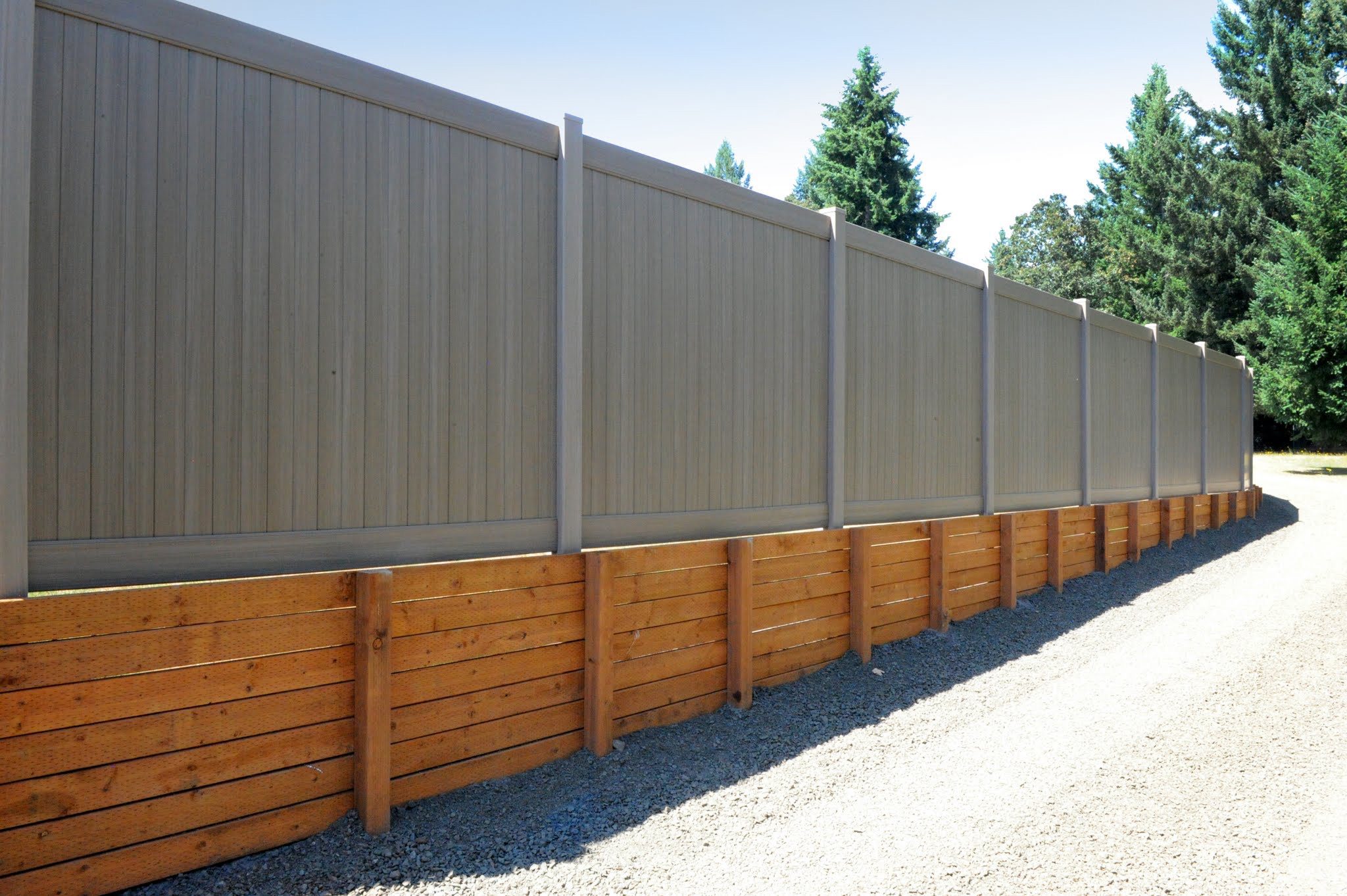
Retaining Walls
In some outdoor projects, retaining walls work alongside fencing to manage elevation changes and help define outdoor spaces.
Our Fence Design & Installation Process
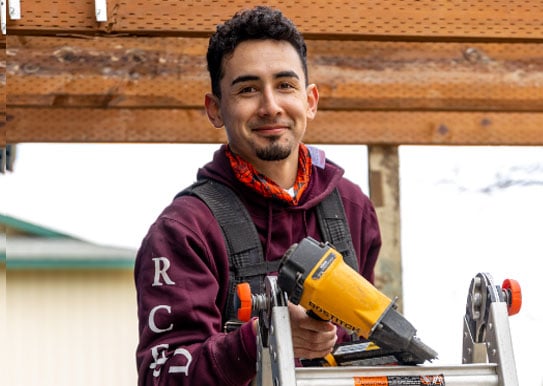
A quality fence starts with thoughtful planning and professional installation. Rick’s works with you to understand how your property is used, how the fence should function, and how it fits within the space.
Before installation begins, we account for layout, grade changes, drainage, and how different materials perform over time. During construction, our crews focus on proper post setting and consistent alignment — details that directly affect how a fence looks and performs, especially in Northwest conditions.
This approach helps avoid common issues such as uneven panels, premature wear, or fences that don’t sit right on the property.
DIY Fence Options
Not every project requires full-service installation. For homeowners who prefer a hands-on approach, Rick’s also offers DIY fence options.
DIY fencing allows homeowners to purchase materials and complete their own project while still benefiting from quality products and guidance.
18-Month, No-Interest Financing on Approved Credit
We want you to have the BEST at an affordable price and at the right time for you! That’s why we work with lenders in the Home Services industry to develop financing options that suit your needs. This month, enjoy 18-Month, no-interest financing on all installed projects!
Fence Installation FAQs
Some fencing projects go beyond traditional residential yard boundaries. Rick’s also designs and installs fencing solutions for larger properties and specialized applications.
-
-
Can a fence be built on top of a retaining wall?
Yes. In many cases, a fence can be installed directly on or behind a retaining wall to add both height and privacy. The design and engineering will depend on the type of wall and soil conditions. Rick’s can help you explore safe, effective options that meet code requirements and enhance your yard’s functionality. -
Can I finance my fencing project?
Yes. Rick’s offers financing options to help make your project more affordable. During your consultation, we’ll walk you through available plans and help you choose the option that best fits your budget. -
Can I stain or paint my new fence?
Yes—if you choose a cedar fence, you can stain or paint it to match your home. We recommend waiting a few weeks after installation so the wood can dry properly before applying any finish. We’ll advise you on the right products and timing. -
Will a fence add value to my home?
Yes, a fence will add value to your home—especially if it enhances privacy, safety, or aesthetics. A professionally installed fence can increase curb appeal and offer peace of mind to potential buyers. -
What’s the difference between a privacy fence and a boundary fence?
Privacy fences are solid, tall structures that block sightlines and create seclusion—typically 6 to 8 feet tall. Boundary fences, on the other hand, mark property lines and provide containment without fully obstructing views. Your needs and your city’s regulations can help determine which is best. -
How close can I build a fence to my property line?
Rules vary by location, so it’s best to confirm with your local building department. If you’re unsure where your property line is, you can look for property pins using a metal detector or hire a surveyor. Our team can also help you understand typical fence setback requirements in your area. -
How do I choose the right contractor for fence installation?
Choose a fencing company that is licensed, insured, and has strong customer reviews. Ask questions about installation timelines, materials, and fees—such as credit card surcharges or debris haul-away charges—so you can compare quotes clearly. Rick’s has been trusted by homeowners in the Northwest for over 40 years. -
How do I maintain my new fence?
- Cedar Fencing: Every few years, apply a fresh coat of stain and keep the base free from leaf piles or built-up dirt to help prevent rot and extend its life.
- Vinyl and Aluminum fencing: A simple once-a-year wash with a hose or bucket of soapy water can keep your fence looking fresh and clean.
- Chain Link Fencing: Give it an occasional once-over to spot any rust or wear. A quick scrub or rinse is usually all it needs.
-
What fence height is best for a backyard?
Standard backyard fences are 6 feet tall. In some areas, 7-foot or even 8-foot fences are allowed with a permit. Keep in mind that taller fences may involve added costs or structural needs. Your Rick’s estimator will guide you based on your city’s regulations. -
How do I choose the right type of fence for my yard?
We’ll help you match the fence to your goals:- Uneven terrain: Retaining wall fences made from wood, concrete, or masonry are ideal for sloped properties, offering support and helping level the fence line.
- Privacy: Solid panel fences, like cedar or vinyl, are excellent for blocking views and creating a sense of seclusion.
- Security: Chain link or tall wood fencing adds a physical barrier while maintaining visibility if needed.
- Low upkeep: Vinyl, aluminum, and horizontal metal options hold up well with minimal maintenance.
- Families with kids or pets: Picket or garden grid fencing offers safety while maintaining visibility and charm.
- Visual appeal: Choose aluminum or modern-style cedar and composite fencing to enhance the look of your landscape.
-
How long does fence installation take?
Most fence projects are completed in 1–3 days, depending on the size of your yard, terrain, and materials. Your estimator will work with you to schedule the project and keep everything moving smoothly. -
Do I need a permit to install a fence?
Maybe. Permits are required in some cities and counties, and homeowners associations (HOAs) often have their own approval processes. Rick’s team will help you understand and complete any necessary paperwork so your project stays on schedule. -
Which fence materials hold up best in Oregon and Washington weather?
Vinyl, chain link, and metal fences are some of the most durable options for wet and windy Pacific Northwest conditions. That said, cedar fencing—especially when installed with metal posts—can also last decades with proper care. Adding metal posts can extend the life of a cedar fence by 5–10 years or more. -
What types of fences does Rick’s Custom Fencing & Decking offer?
We offer a wide selection of fencing options, including:- Cedar Fencing: A natural, timeless option that blends beautifully with the landscape. Available in a variety of styles, cedar fencing offers privacy and charm while aging gracefully over time.
- Vinyl Privacy Fencing: A sleek and low-maintenance choice that resists fading, warping, and pests. It’s ideal for homeowners who want full privacy with minimal upkeep.
- Aluminum Fencing: Lightweight yet strong, aluminum fences combine security and style. They resist rust and corrosion, making them perfect for both front yards and backyards.
- Chain Link Fencing: A cost-effective, durable solution for property boundaries, pets, and security. It’s available with options like privacy slats or coatings for added function and curb appeal.
- Simulated Fencing: Designed to mimic the look of wood, stone, or masonry, simulated fencing offers the beauty of traditional materials with the durability and ease of composite construction.
- Pasture Fencing: Built for larger properties or livestock enclosures, pasture fencing often uses wood posts with wire or rail combinations to offer visibility, containment, and open-air function.
- Retaining Walls: Often integrated into sloped properties, retaining walls provide crucial support and leveling. Fences can be added on or behind these structures to enhance security and design continuity.
-
Request an Estimate for Fence Installation in Oregon & Washington
If you are planning a fence in Oregon & Washington, Rick’s can review fence height, layout, and gate placement to determine the best configuration for your property.