
RETAINING WALL INSTALLATION IN OREGON & WASHINGTON
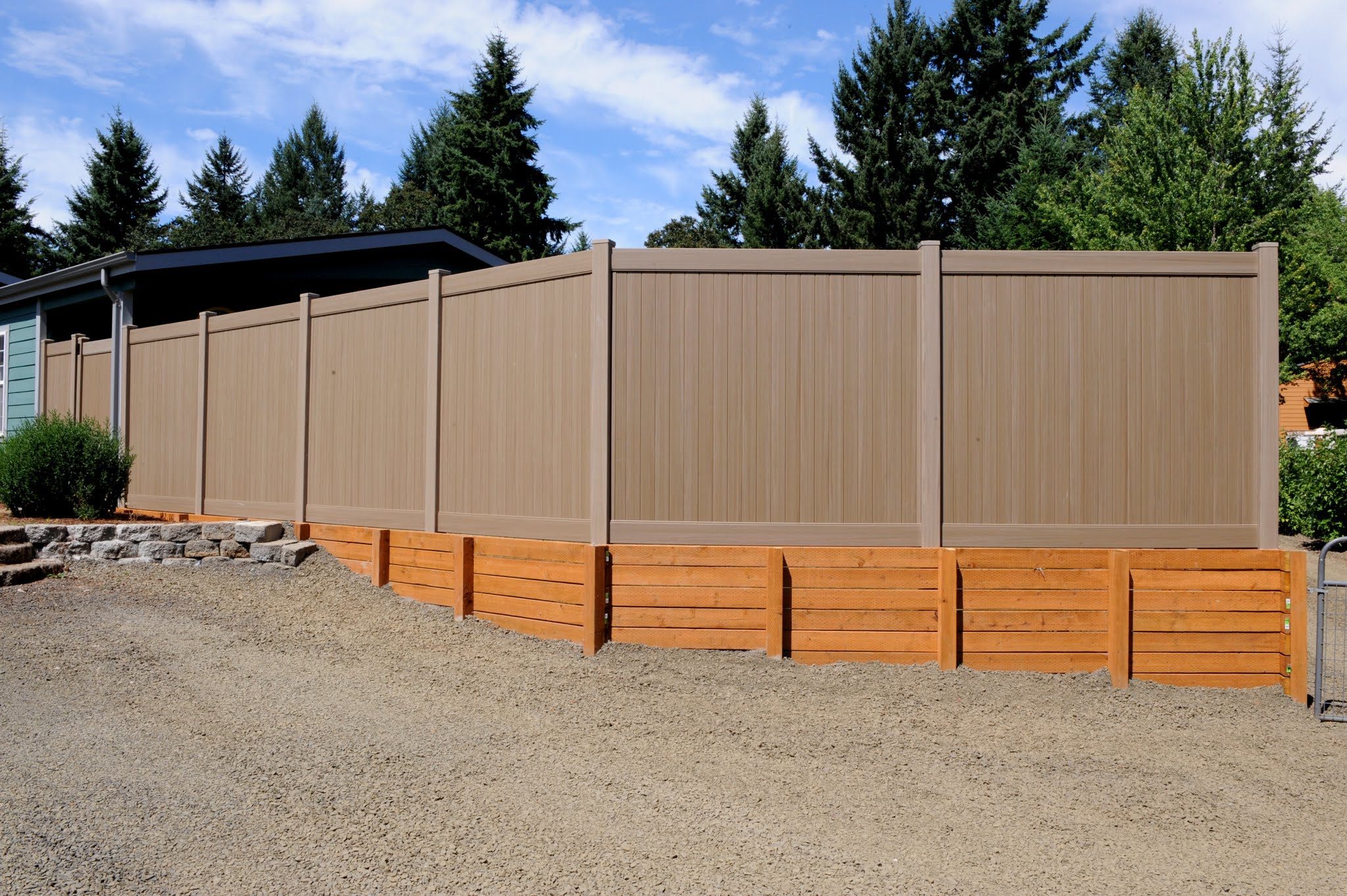
Rick’s Custom Fencing & Decking installs retaining walls for residential properties throughout Oregon & Washington. Retaining walls are used to support soil where the landscape changes elevation, helping stabilize slopes while creating more usable space in a yard.
Many homeowners add retaining walls when a property includes hillside areas, uneven grades, or sections of yard that are difficult to use. A properly planned retaining wall can help manage those grade changes while creating level areas for patios, planting beds, walkways, or fenced yard spaces.
Retaining wall installation is often part of a larger outdoor project, especially when fencing, landscaping, or outdoor living areas need to work with the natural slope of the property.
Start Your Project Today!
What a Residential Retaining Wall Does
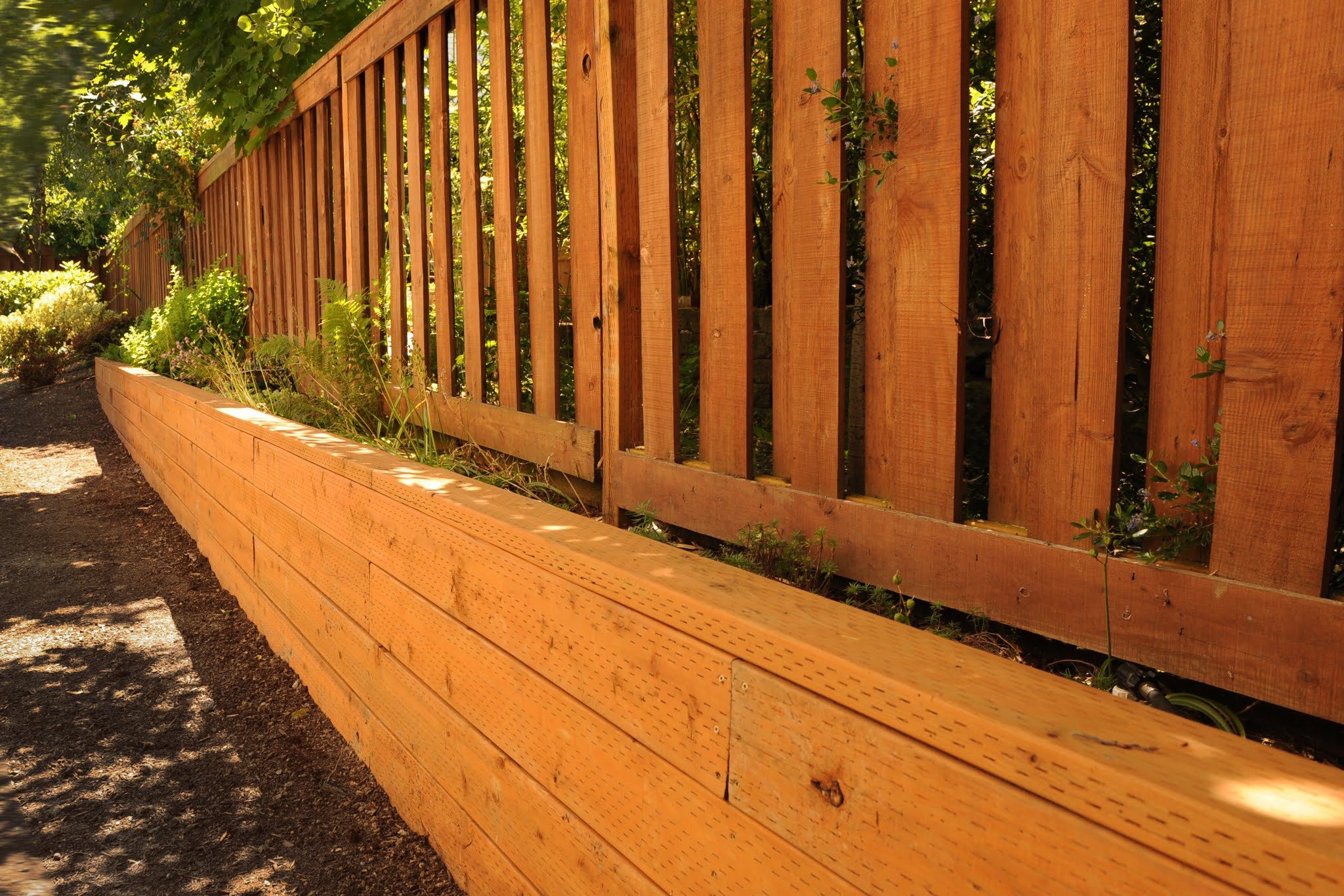
A residential retaining wall is built to hold back soil where there is a change in ground elevation. By supporting the soil behind it, the wall helps stabilize the landscape and prevent erosion or shifting in sloped areas.
On many residential properties, retaining walls are used to:
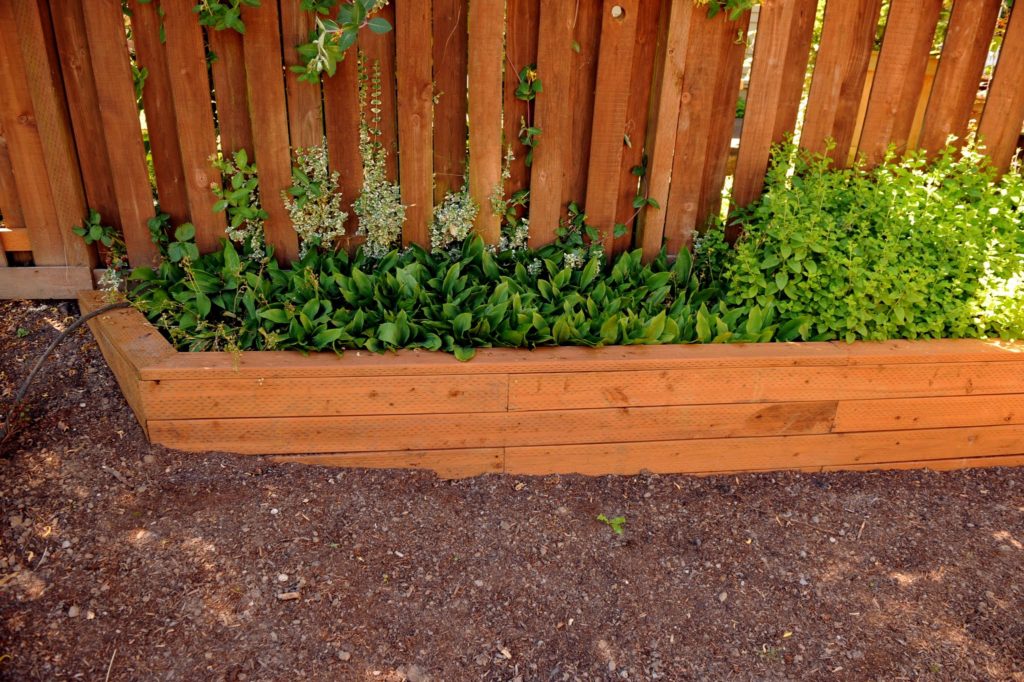
- Create level sections of yard on sloped terrain
- Support landscaped planting areas
- Define outdoor spaces such as patios or walkways
- Manage transitions between different elevations on the property
In addition to providing structural support for the soil, retaining walls can also help organize the layout of the yard and improve how the outdoor space is used.
When Homeowners Consider Retaining Wall Installation
Retaining wall installation is commonly considered when the slope of a yard limits how the space can be used. Properties with hillsides, elevation changes, or uneven grading may benefit from a wall that stabilizes the landscape and creates more functional outdoor areas.
Typical situations where retaining walls are installed include:
- Sloped backyards or hillside properties
- Areas where erosion or soil movement is a concern
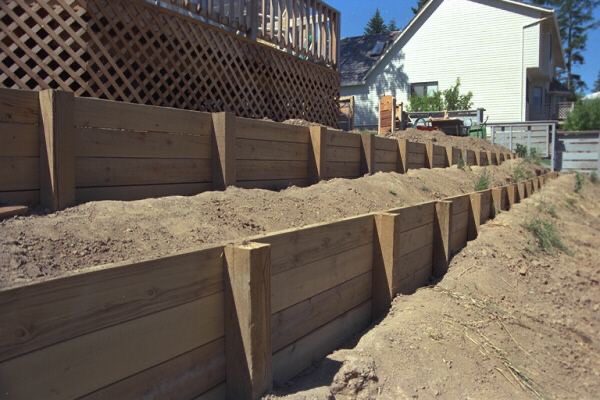
- Yards where homeowners want to create terraced landscaping
- Outdoor projects that require level ground for patios, walkways, or fencing
Because every property is different, retaining wall design usually begins with understanding the layout and grade of the site.
Three Ways to Get a Free Retaining Wall Estimate
Your time is valuable, so we make it easy to get your project estimate started. Choose the option that works best for you below:

SUBMIT A FORM
Fill out our quick online form!
We’ll call you back within 15 minutes during business hours. Fast, easy, and no waiting on hold.

CALL US DIRECTLY
Prefer to talk it through?
Call your nearest location and speak with one of our expert estimators*. We’ll answer your questions and help schedule a design consultation that fits your schedule.
SALEM: 971-273-2040
VANCOUVER: 360-342-4997
GRESHAM: 971-431-7285
HILLSBORO: 971-247-7471 EUGENE: 541-214-2522
*Calls answered and returned during business hours.

VISIT YOUR NEAREST RICK'S SHOWROOM
6 convenient retail locations!
Stop by one of our locations to explore materials, view displays, and chat with our team in person. No appointment necessary!
Planning a Retaining Wall Installation
Retaining wall installation begins with evaluating the slope, soil conditions, and overall layout of the property. Proper planning helps determine the right wall height, location, and drainage approach before construction begins.
During the planning stage, several factors are considered:
- The height of the wall and the amount of soil it will retain
- Drainage conditions behind the wall
- The slope and grading of the surrounding yard
- Nearby structures, driveways, or landscaping features
These factors help determine the most appropriate design for the retaining wall and how it will integrate with the rest of the property.
18-Month, No-Interest Financing on Approved Credit
We want you to have the BEST at an affordable price and at the right time for you! That’s why we work with lenders in the Home Services industry to develop financing options that suit your needs. This month, enjoy 18-Month, no-interest financing on all installed projects!
Why Drainage Matters in Retaining Wall Construction
Drainage plays an important role in the long-term performance of a retaining wall. Water that collects behind a wall can increase pressure on the structure, so proper drainage and backfill materials are typically incorporated into the design.
Managing water movement helps reduce stress on the wall and helps maintain stability over time. For this reason, retaining wall construction usually includes drainage considerations as part of the installation process.
Retaining Wall Design Examples
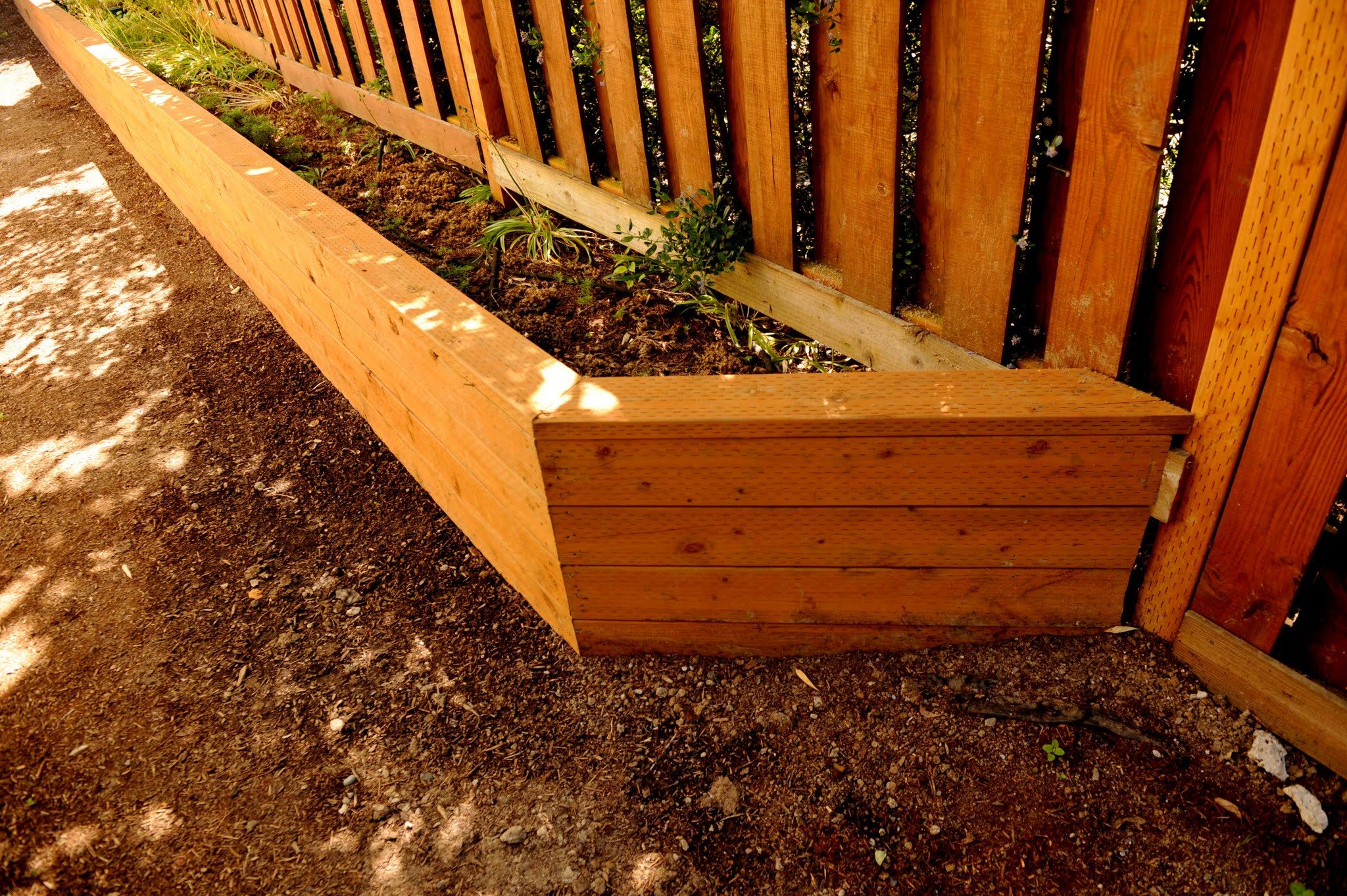
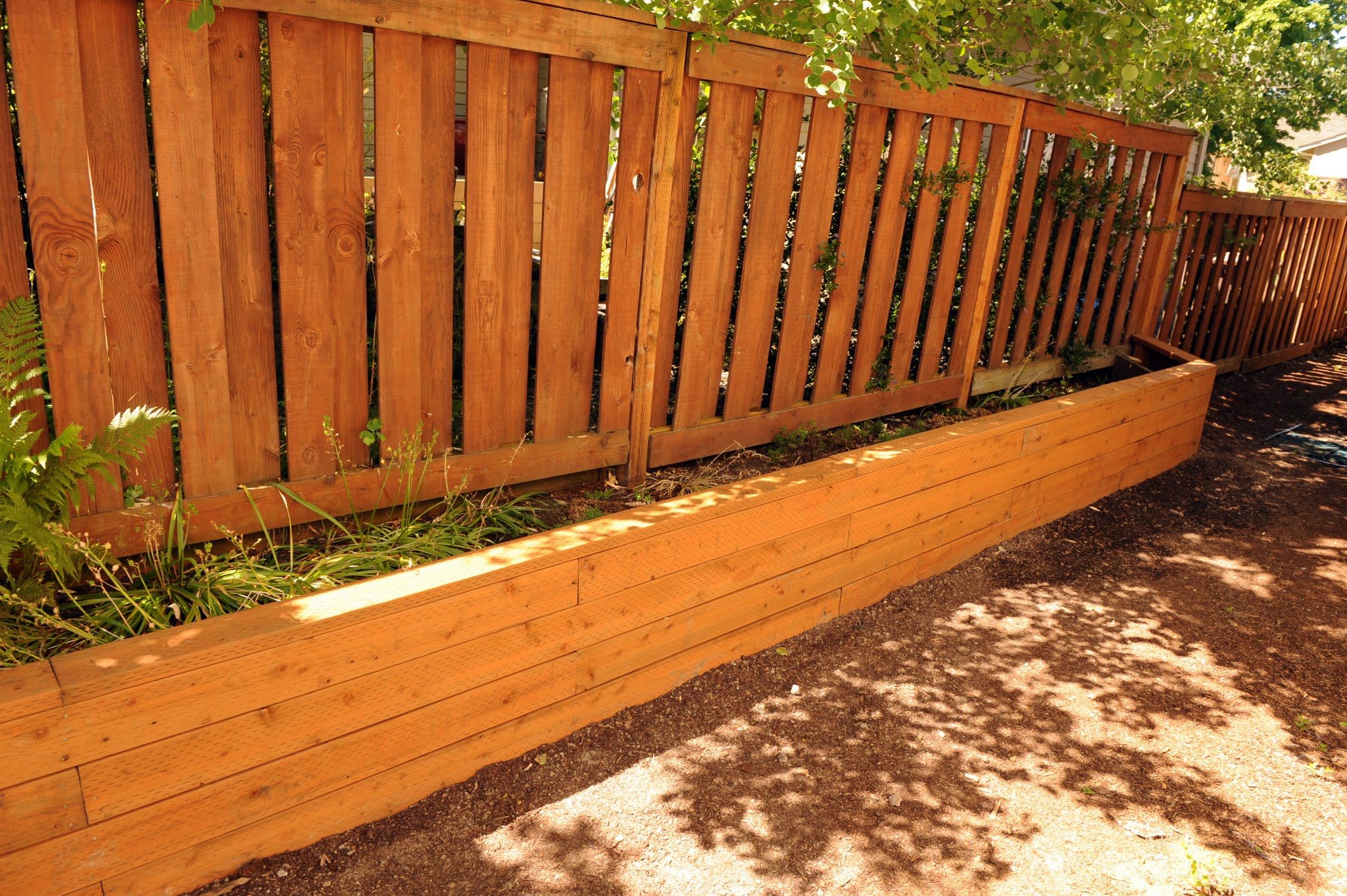
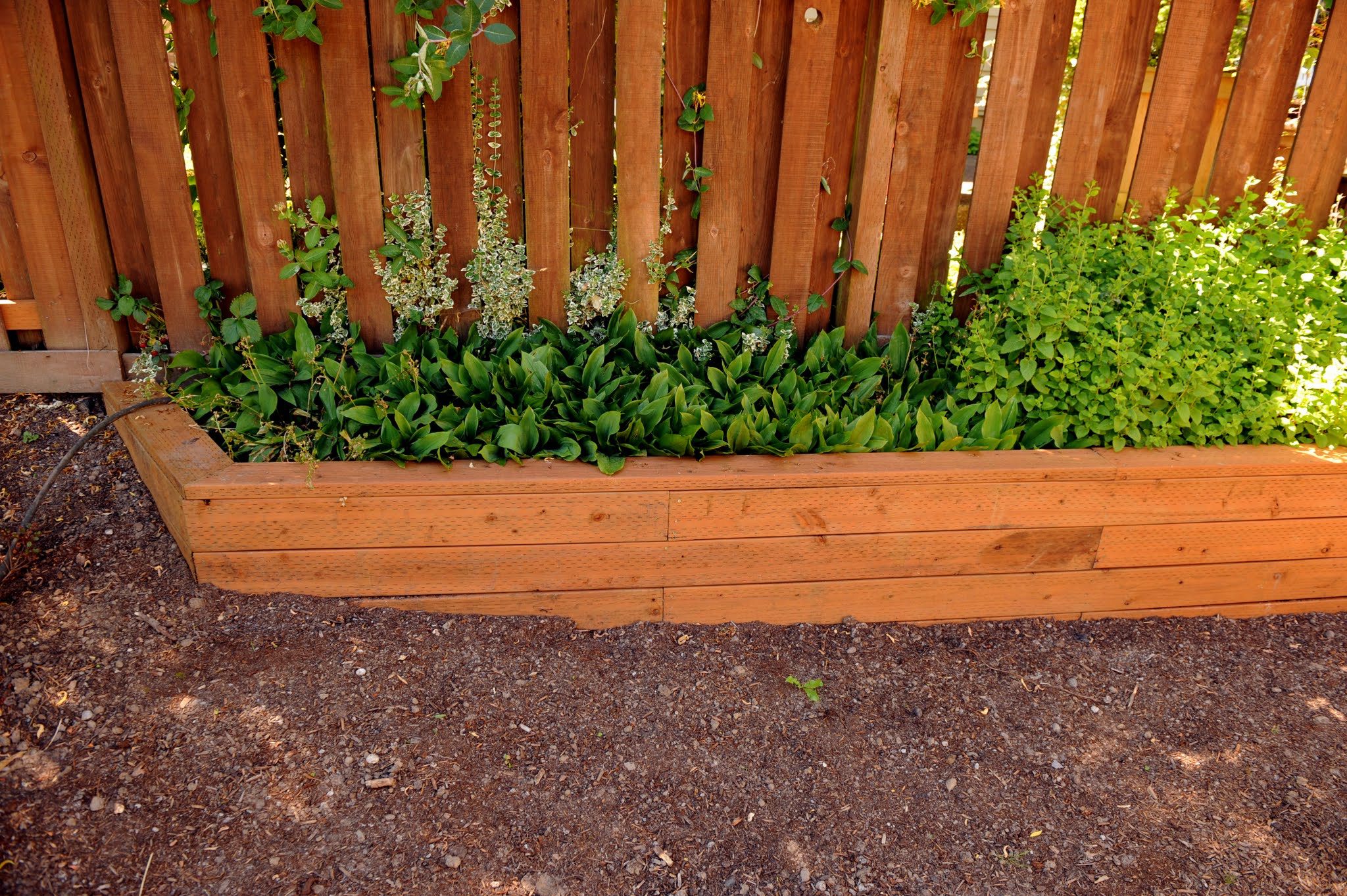
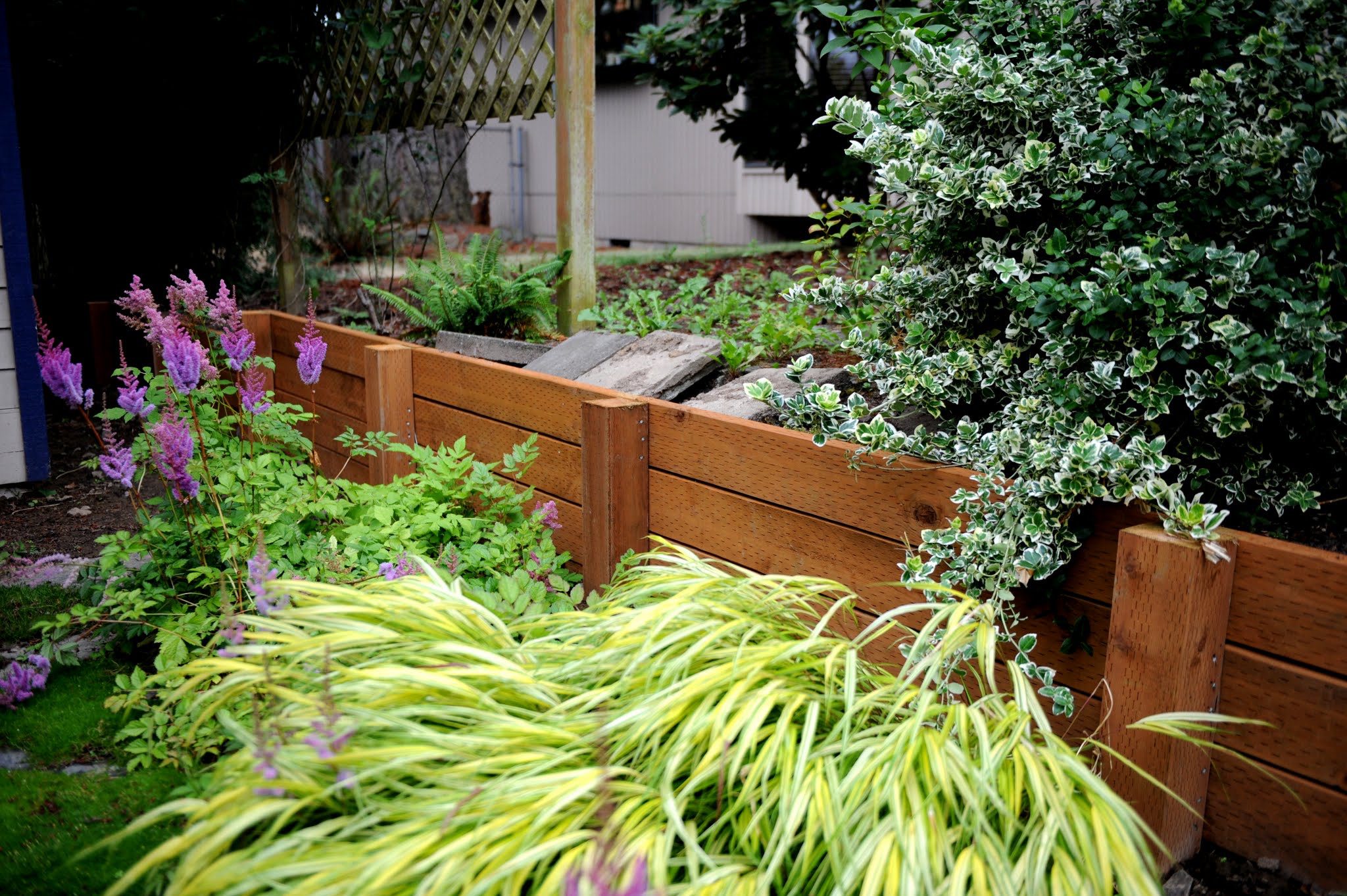
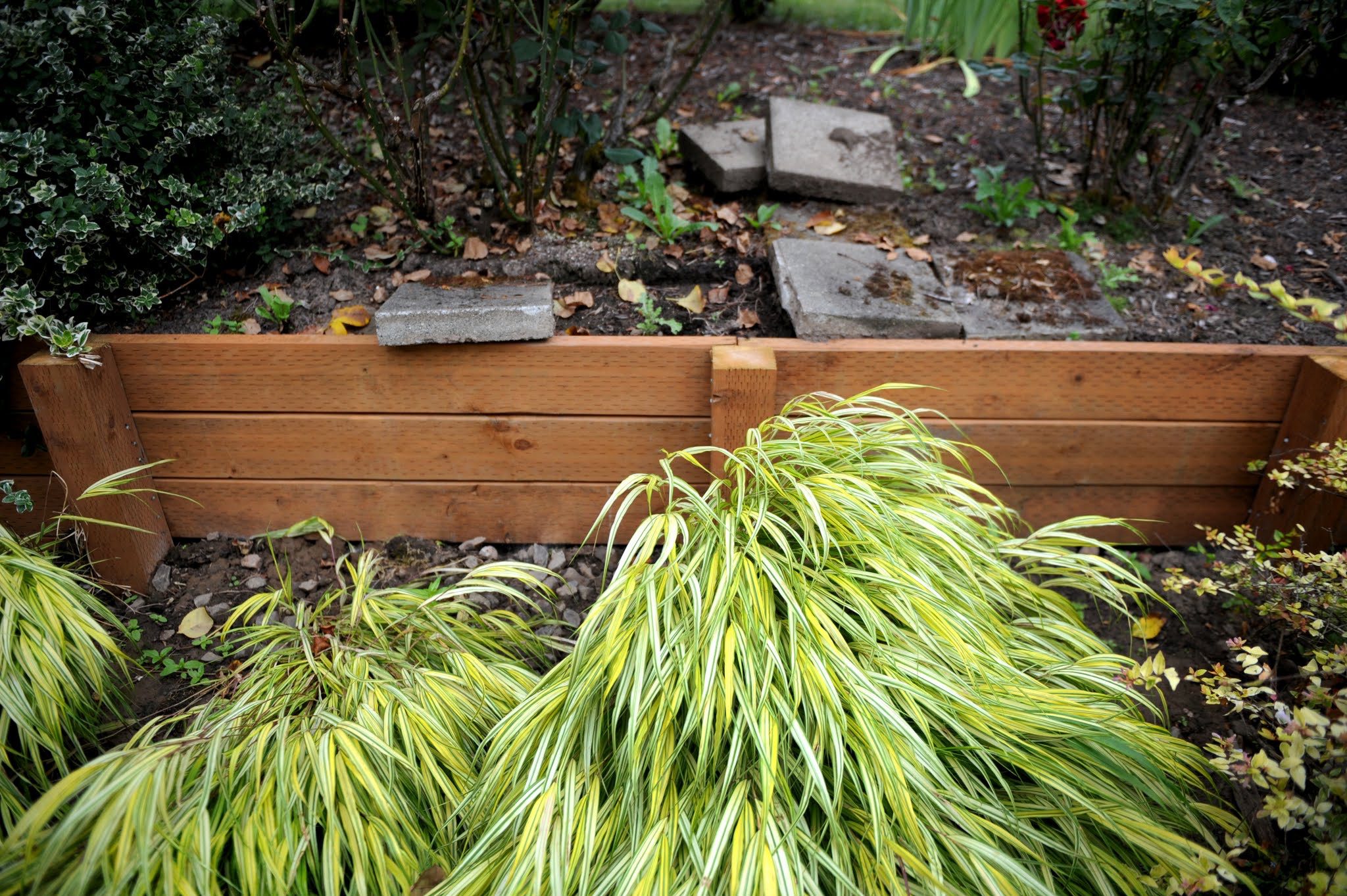
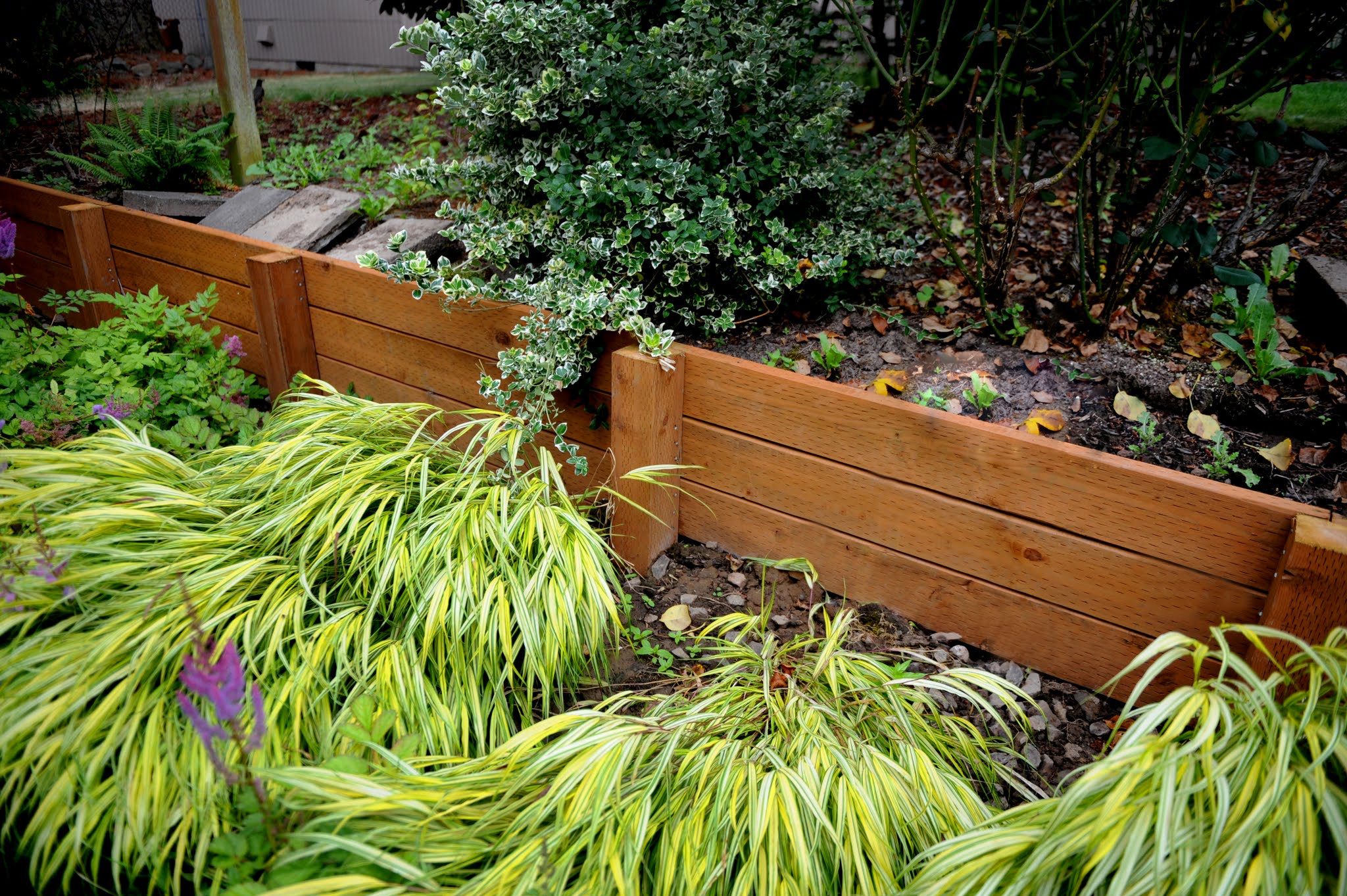
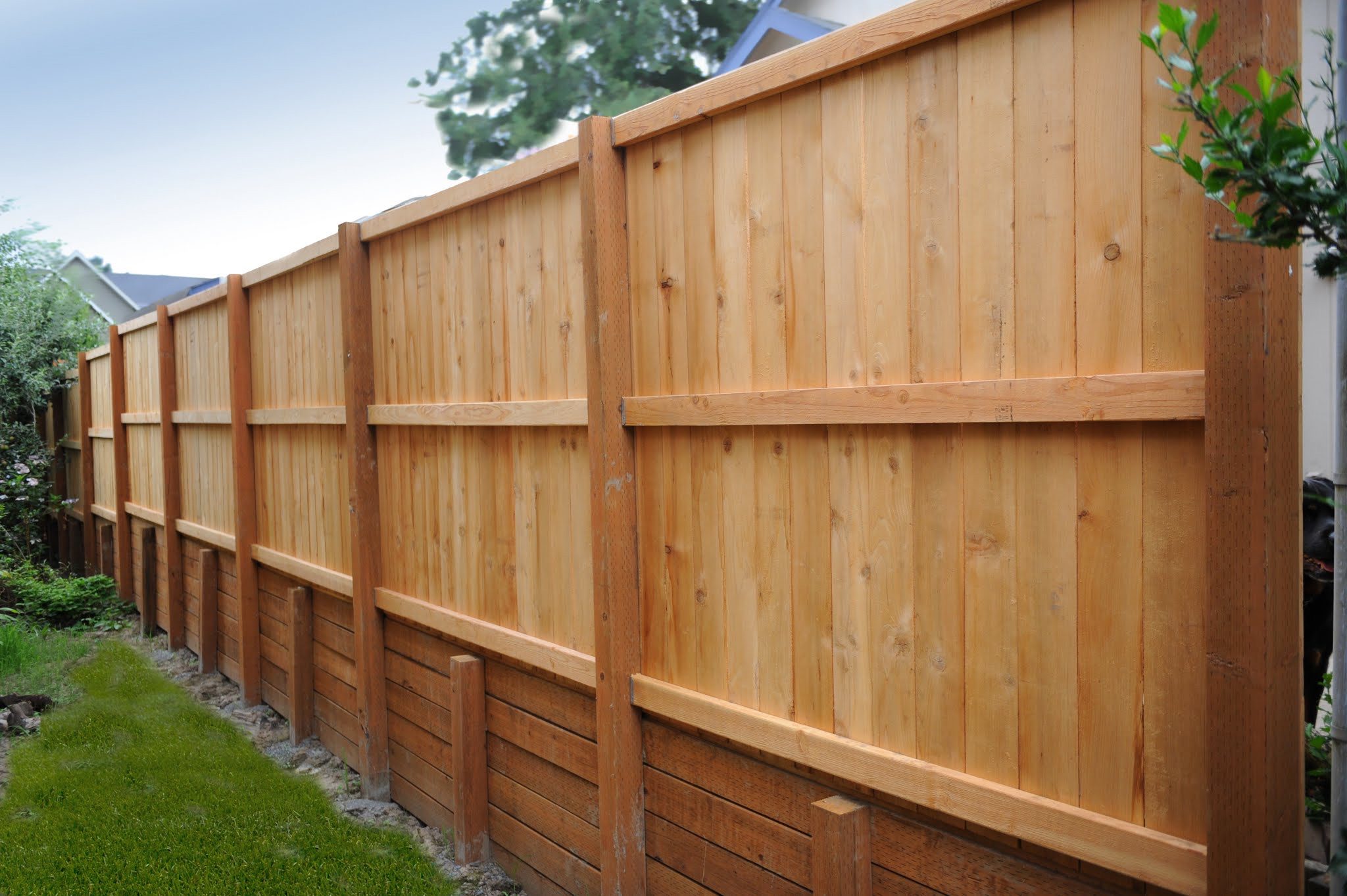
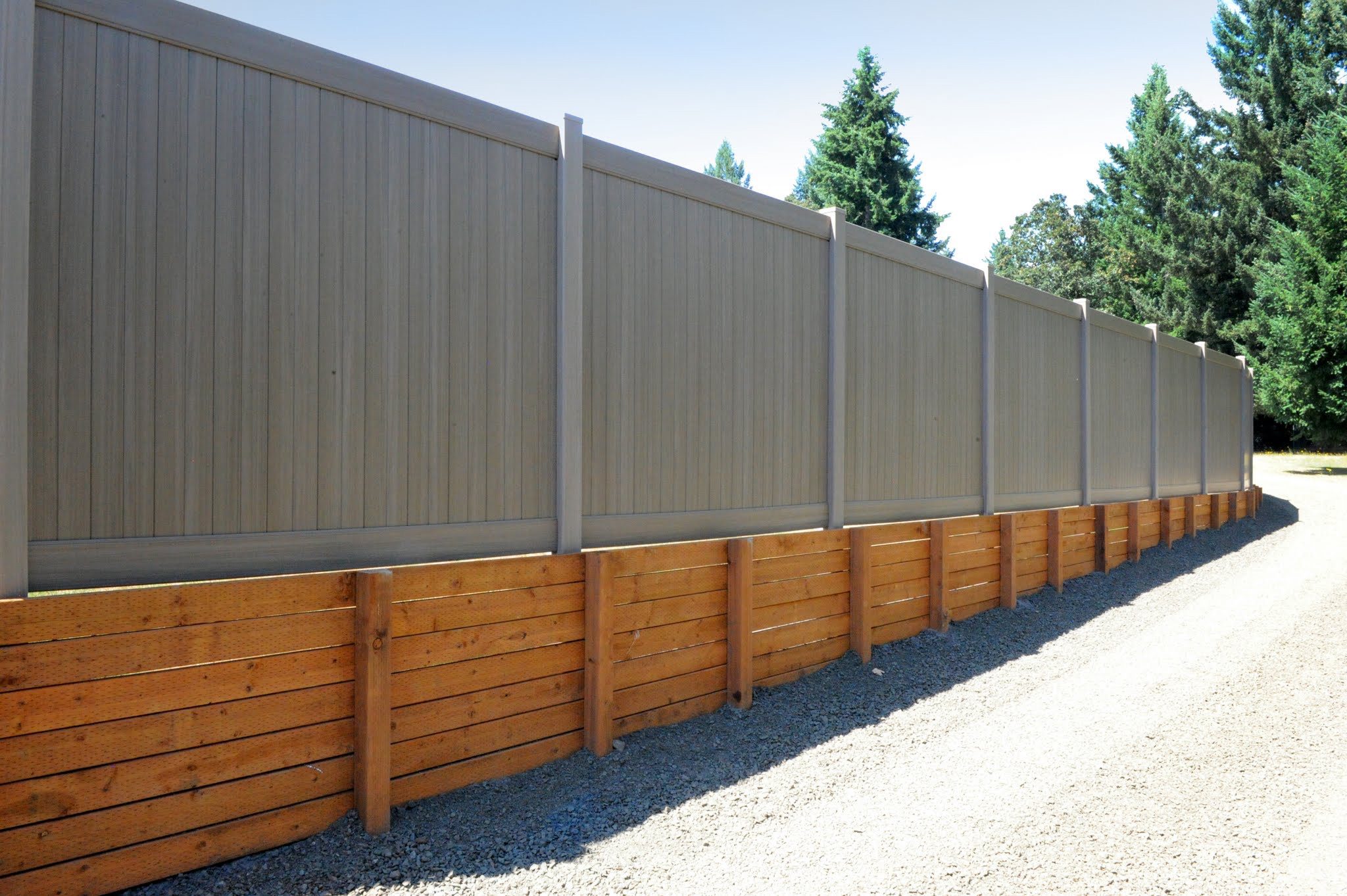
To see how retaining walls come to life, explore the gallery below and use the filters to view real-world examples that match the look you’re considering.
Retaining Wall Installation FAQs
Below are answers to some of the most common questions homeowners ask about retaining wall longevity, staining, maintenance, and seasonal protection — so you know what to expect and how to keep your retaining walls looking their best over time.
-
-
Can retaining walls be combined with fencing projects?
Yes. Retaining walls are often installed as part of larger outdoor projects where fencing, landscaping, or outdoor living areas need to work with the existing grade of the property. -
Do retaining walls require permits?
Permit requirements vary depending on location and the height of the wall. Many jurisdictions require permits for retaining walls above a certain height, so it is important to review local requirements before construction begins. -
Do retaining walls require drainage?
Yes. Drainage is an important part of retaining wall construction. Allowing water to move away from the soil behind the wall helps reduce pressure on the structure. -
What is the purpose of a retaining wall?
A retaining wall supports soil where there is a change in elevation. On residential properties, retaining walls are commonly used to stabilize slopes and create usable outdoor space. -
Can retaining walls be used for landscaping or decorative purposes?
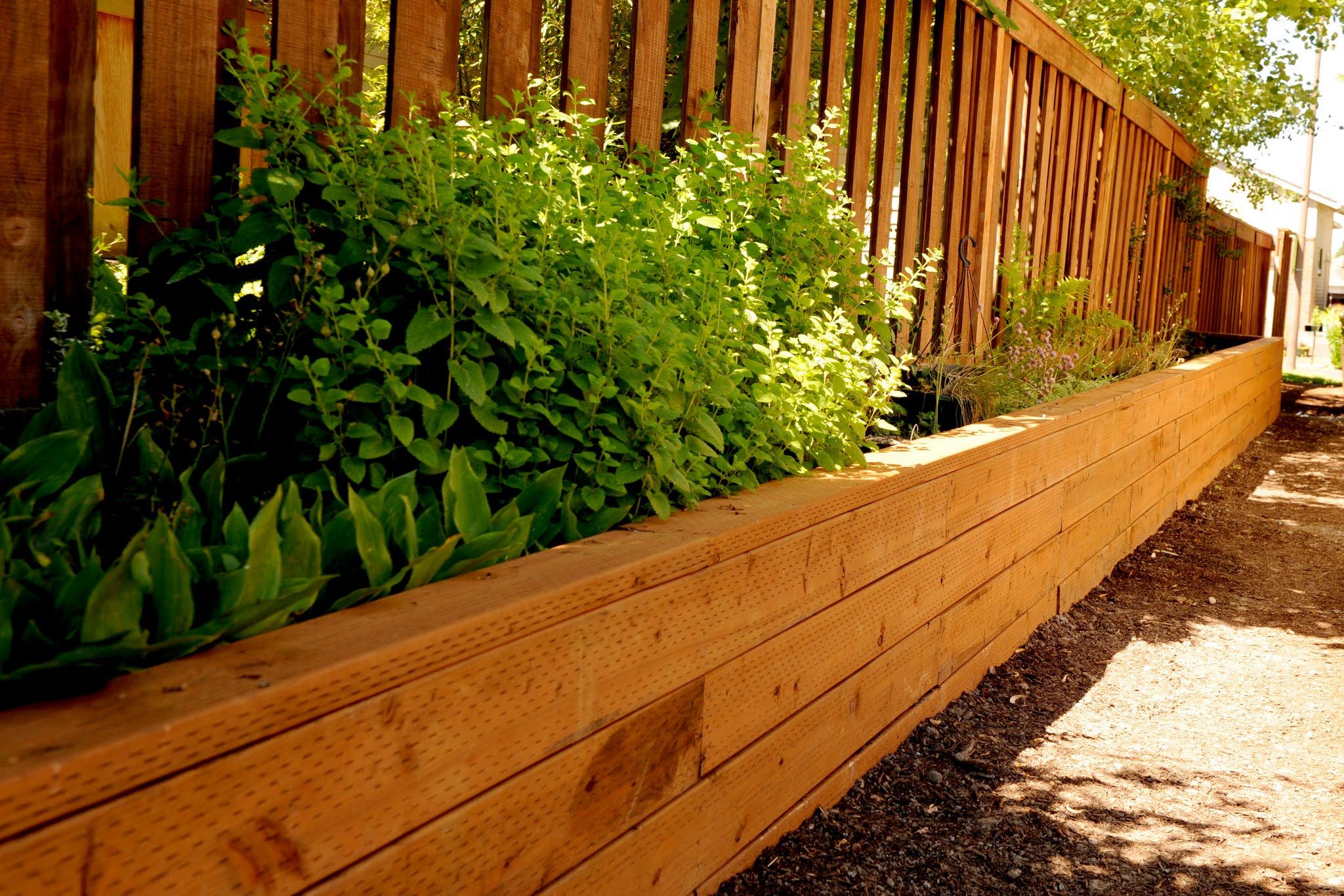
Yes, retaining walls can serve landscaping or decorative purposes by adding visual interest, defining outdoor spaces, creating terraced planting areas, and enhancing the overall aesthetics of a landscape with various materials and designs. -
How should I maintain my retaining walls?
An effective method to safeguard wood involves using a wood preservative, which creates a durable barrier against moisture and rot over time. This can be applied with a paint brush. Add life to your retaining wall with a solid insect repellent such as creosote or weather sealer. -
What are retaining walls made from?
Rick’s uses pressure treated wood for retaining walls.
-
Request an Estimate for Retaining Wall Installation in Oregon & Washington
If you are planning a retaining wall in Oregon & Washington, Rick’s can review wall height, layout, and placement to determine the best configuration for your property.
SCHEDULE YOUR FREE ESTIMATE!