Spring Fence Maintenance and Repair Guide for Oregon and Washington Homeowners
After months of rain, wind, and damp conditions, spring is the ideal time for fence maintenance in Oregon and Washington. While you may be eager to dig into gardening or refresh your landscape, don’t overlook your fence.
Winter weather across the Pacific Northwest can leave behind moisture damage, moss buildup, loose hardware, and early signs of rot. Routine fence maintenance and a thorough spring inspection can help protect your wood or vinyl fencing, extend its lifespan, and prevent minor issues from becoming major repairs.
In this guide, you’ll learn why spring fence maintenance matters in the Pacific Northwest, how to inspect your fence after winter, what maintenance steps extend its lifespan, when repair may be necessary, when to consider fence replacement, and why spring is the best time to take action.
Why spring fence maintenance matters in Oregon and Washington’s climate
Spring in Oregon and Washington is more than a seasonal shift — it’s also the most important time to assess your fence. After months of harsh weather, winter can leave behind hidden damage that’s not always obvious at first glance. Addressing those issues early in the season helps protect your fence before heavier outdoor use begins and prevents minor problems from turning into larger repairs.
Recover from winter moisture, mold, and mildew
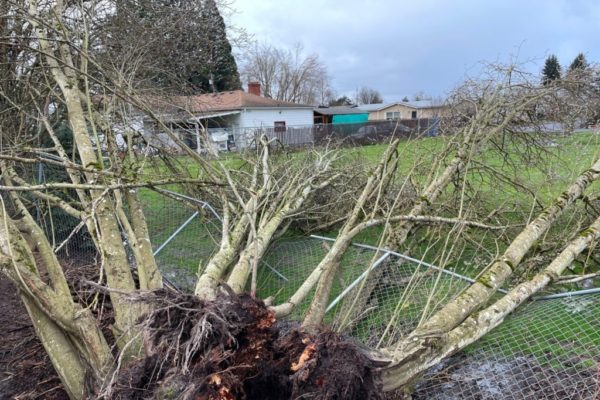
Winters across the Pacific Northwest are notoriously wet, and your fence has likely endured months of rain and fluctuating temperatures. That moisture can seep into wood fencing, leading to mold, mildew, and early rot. Even vinyl and aluminum fencing can experience hardware corrosion or soil shifting around posts. A thorough spring fence inspection allows you to spot moisture damage early and take corrective action before structural issues develop.
Prepare your fence for spring and summer use
As outdoor activity increases, your fence plays a critical role in privacy, safety, and curb appeal. Loose boards, unstable posts, or damaged gates can quickly become safety concerns once backyards are in regular use. Completing routine fence maintenance in early spring keeps your fence secure and ready for the warmer months.
Extend the lifespan of your fence in the Pacific Northwest climate
Steady rainfall and seasonal temperature swings in areas like Eugene and Vancouver can shorten the life of an untreated fence. Proactive spring maintenance, such as cleaning, sealing, staining, or repainting, helps create a barrier against moisture and sun exposure. When done consistently, these steps can significantly extend the lifespan of wood, vinyl, or metal fencing and reduce the likelihood of major fence repairs.
How to inspect your fence after winter
After a long Salem or Tri-Cities winter, a thorough spring fence inspection is one of the most important steps in protecting your investment. Use this checklist to identify maintenance needs, minor repairs, and early warning signs of structural damage.
Walk the perimeter
Start by walking the full length of your fence and stepping back to view it from a distance. Look for:
- Sagging or uneven sections
- Visible cracks or splitting boards
- Panels that appear out of alignment
- Gaps that affect privacy or security
A wider view can reveal structural issues that are easy to miss up close.
Check fence posts for stability
Fence posts are the foundation of your fence. Gently push against each post and watch for movement. Pay attention to:
- Posts that lean or feel loose
- Soil erosion around the base
- Gates that no longer align or latch properly
Heavy winter rain and saturated soil can weaken posts below ground level, even if surface damage is minimal.
Look for rot and moisture damage
Moisture damage often starts where wood meets the soil. Inspect these areas carefully and probe suspect spots with a screwdriver. Watch for:
- Soft, spongy, or crumbling wood
- Dark discoloration near the base
- Splitting or flaking boards
Catching early rot during spring fence maintenance can prevent larger repairs later.
Inspect boards, panels, and rails
Run your hand along fence boards and rails to check for structural wear. Look for:
- Warping or bowing
- Loose or missing boards
- Cracked rails or unstable sections
Isolated damage can often be repaired, but widespread issues may indicate deeper structural concerns.
Check hardware and gate function
Winter storms can loosen hardware and strain moving parts. Examine:
- Rusted or loose nails and screws
- Hinges that squeak or stick
- Latches that no longer secure properly
Open and close each gate to check for smooth movement and proper alignment.
Identify mold, mildew, and moss growth
Damp Pacific Northwest conditions make surface growth common. Look for:
- Green or black staining
- Moss buildup along the boards
- Areas that remain consistently damp
Surface growth can often be cleaned, but persistent moisture may signal drainage or sealing issues.
Look for signs of pest activity
Wood fencing in wet climates can attract termites and carpenter ants. Inspect for:
- Small holes in the boards
- Sawdust-like piles near the base
- Hollow-sounding sections when tapped
If you’re unsure whether what you’re seeing is cosmetic or structural, a professional fence inspection can help you avoid larger repairs later in the season. Catching foundational issues early often saves time and cost.
Spring fence maintenance tips to extend its lifespan
Once you’ve completed your spring fence inspection, the next step is routine fence maintenance. A few proactive steps each spring can protect your fence from moisture damage, prevent rot, and reduce the need for major repairs later.
Clean off moss, mildew, and winter buildup
Moss and mildew thrive in damp areas like Gresham and Hillsboro. Removing surface growth each spring helps prevent moisture from being trapped against the wood. A garden hose, scrub brush, or light pressure washing can remove buildup before it causes staining or long-term damage.
Use pressure washing carefully
Pressure washing can be effective for fence maintenance, but too much force can damage wood fibers or strip protective stain. Use a low setting, keep the nozzle moving, and spray with the grain of the wood. Avoid pressure washing areas that already show signs of rot, as it can worsen structural weakness.
Change out rusted hardware and reinforce connections
Seasonal temperature changes and winter storms can loosen screws, hinges, and brackets. Tightening hardware improves stability and prevents panels from shifting over time. Replacing rusted fasteners with weather-resistant hardware is a simple upgrade that adds long-term durability.
Replace isolated damaged boards
Before you remove fence boards or sections, make sure you have replacements ready. Start by taking inventory of what needs replacing, then order what you need from a local fence board supplier. Addressing small issues promptly is one of the most effective spring fence maintenance tips for extending fence life.
Seal or stain wood fencing every two to three years
Protective coatings are critical in Oregon and Washington, where rain exposure is consistent. Applying a quality sealant or stain creates a moisture barrier that helps prevent rot, fading, and surface breakdown. If water no longer beads on the surface, it may be time to reapply.
Improve drainage around fence posts
Standing water around fence posts can accelerate rot and soil instability. Make sure downspouts direct water away from fence lines, and consider adding gravel at the base of posts if drainage is poor. Proper drainage significantly reduces the likelihood of post failure.
When fence maintenance turns into professional fence repair
Routine fence maintenance helps prevent permanent damage, but some issues go beyond cleaning, tightening, or replacing a board or two.
If multiple posts are leaning, gates won’t stay aligned, or damage affects structural components like rails and supports, the problem may require professional fence repair. In Oregon and Washington, winter moisture and shifting soil can weaken fence foundations below the surface, even if the damage is not obvious at first glance.
Other signs that maintenance may not be enough include:
- Widespread rot in posts or rails
- Several broken or unstable panels
- Rust is affecting structural strength
- Recurring instability after DIY fixes
The difference is stability. Maintenance protects a healthy fence. Fence repair restores strength when key components are no longer secure. Addressing structural issues early can prevent the need for full replacement later.
If you’re noticing movement, repeated issues, or repairs that don’t hold through the next rainy season, it may be time to have a professional assess the structure beneath the surface.
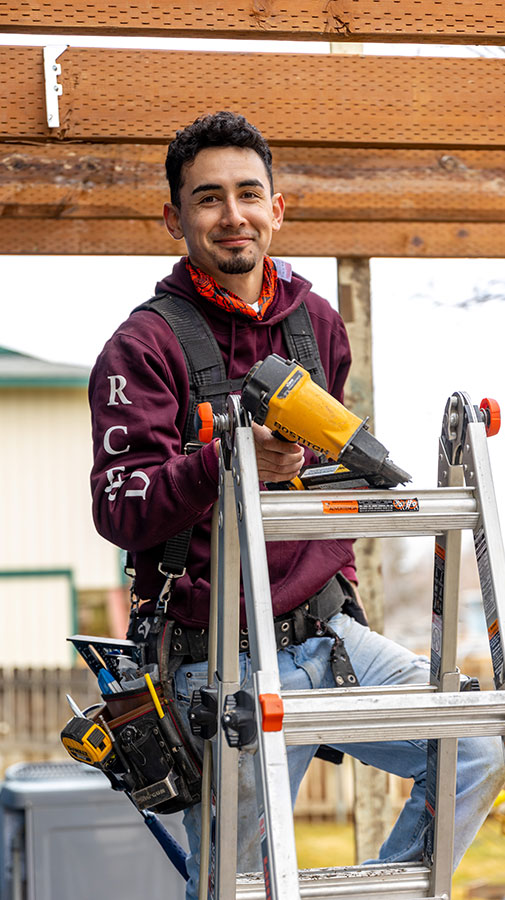
When fence repair isn’t enough: considering fence replacement
In some cases, repairs no longer provide long-term value. If your fence is nearing the end of its expected lifespan, requires repeated repairs year after year, or shows extensive rot in posts and framing, a replacement may be the more practical investment.
Significant structural instability or major storm damage can also make replacement the safer option. Upgrading materials can improve durability in Oregon and Washington’s wet climate while reducing future maintenance demands.
A professional assessment can help determine whether targeted repair, partial installation, or full replacement is the most cost-effective solution.
Why spring is the best time to schedule fence repair or installation in Oregon and Washington
Spring offers ideal conditions for fence repairs and installation across Oregon and Washington. As the ground begins to dry out after months of winter rain, soil conditions improve, making it easier to set posts securely and restore stability. Milder temperatures also create better curing conditions for concrete and sealants, resulting in long-lasting results.
Scheduling fence work in spring means your repairs or new installation will be complete before peak summer outdoor use. Your yard will be ready for gatherings, pets, and everyday activity without the stress of unfinished projects.
Spring also offers a critical timing advantage. As demand increases heading into summer, contractor schedules begin to fill quickly. Booking in early spring gives you more flexibility, priority scheduling, and time to complete the project before peak season.
When comparing companies, look for strong local reviews, clear communication, proof of insurance, and transparent warranties that reflect experience in Oregon and Washington’s wet climate.
If you need a fencing contractor for inspection, repair, or replacement, Rick’s is here to help. Schedule a free evaluation with one of our Oregon or Washington locations to secure priority scheduling before summer arrives.