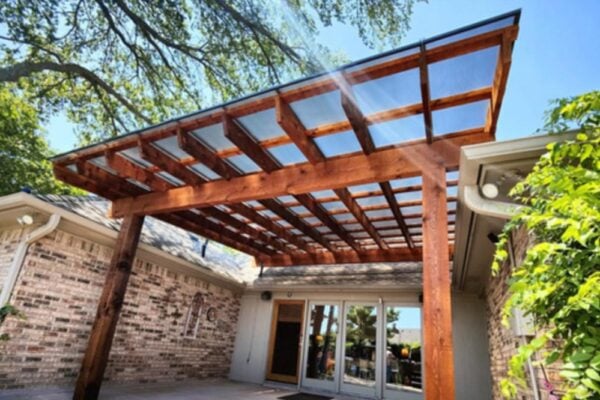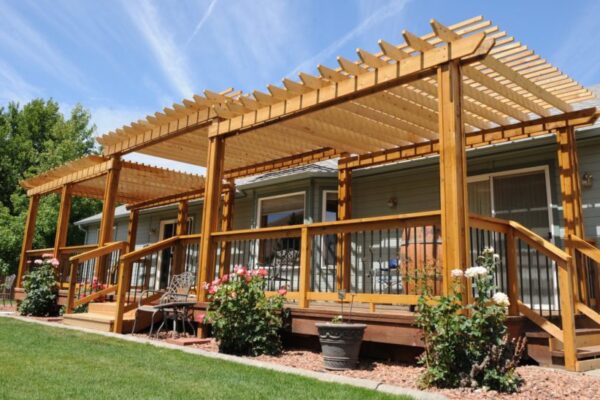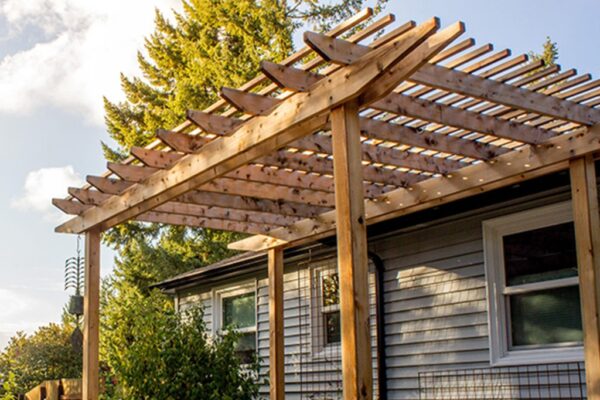
PERGOLA INSTALLATION IN OREGON & WASHINGTON
Rick’s Custom Fencing & Decking installs pergolas for homeowners throughout Oregon & Washington. Pergolas are often chosen when the goal is to add structure and partial shade to an outdoor space without fully covering or enclosing it.
With an open-beam roof design, pergolas allow sunlight and airflow to pass through while still creating a defined area for seating, dining, or gathering. For many homeowners, this creates a balance between shade and openness that maintains the outdoor feel of the space.
Pergolas can be installed over patios, decks, garden seating areas, or outdoor dining spaces, helping shape how the space is used.
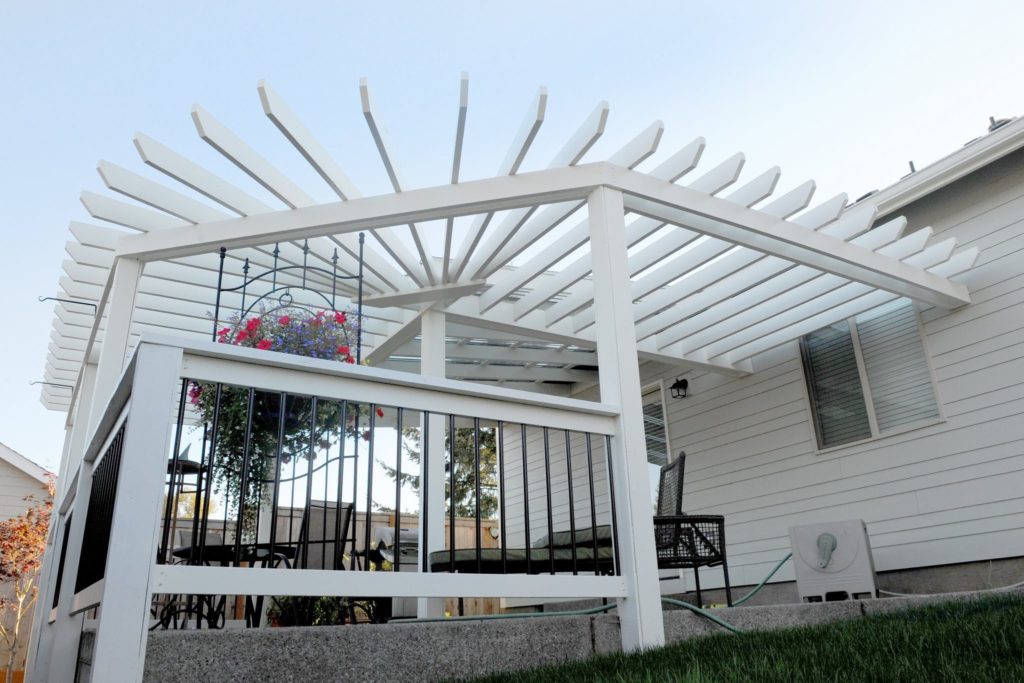
Start Your Project Today!
What Makes Pergolas Different From Patio Covers
Pergolas and patio covers both create overhead structure, but they differ in how much protection they provide and how the space feels. Rick’s installs pergolas so they fit naturally within the layout of your patio, deck, or surrounding yard.
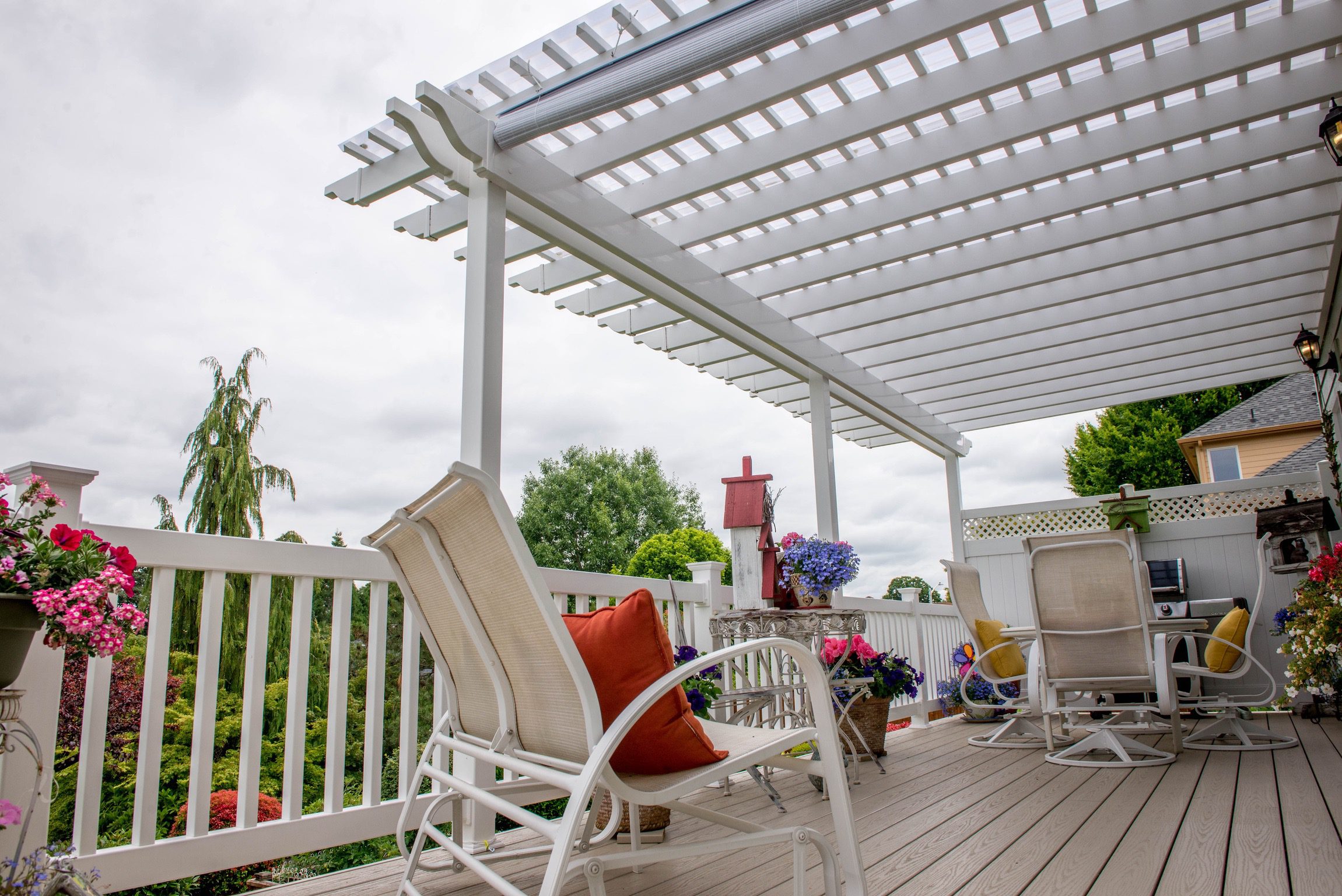
Open Roof Design
Pergolas use evenly spaced beams or rafters across the top of the structure. This allows light and airflow to pass through, creating partial shade rather than full coverage.
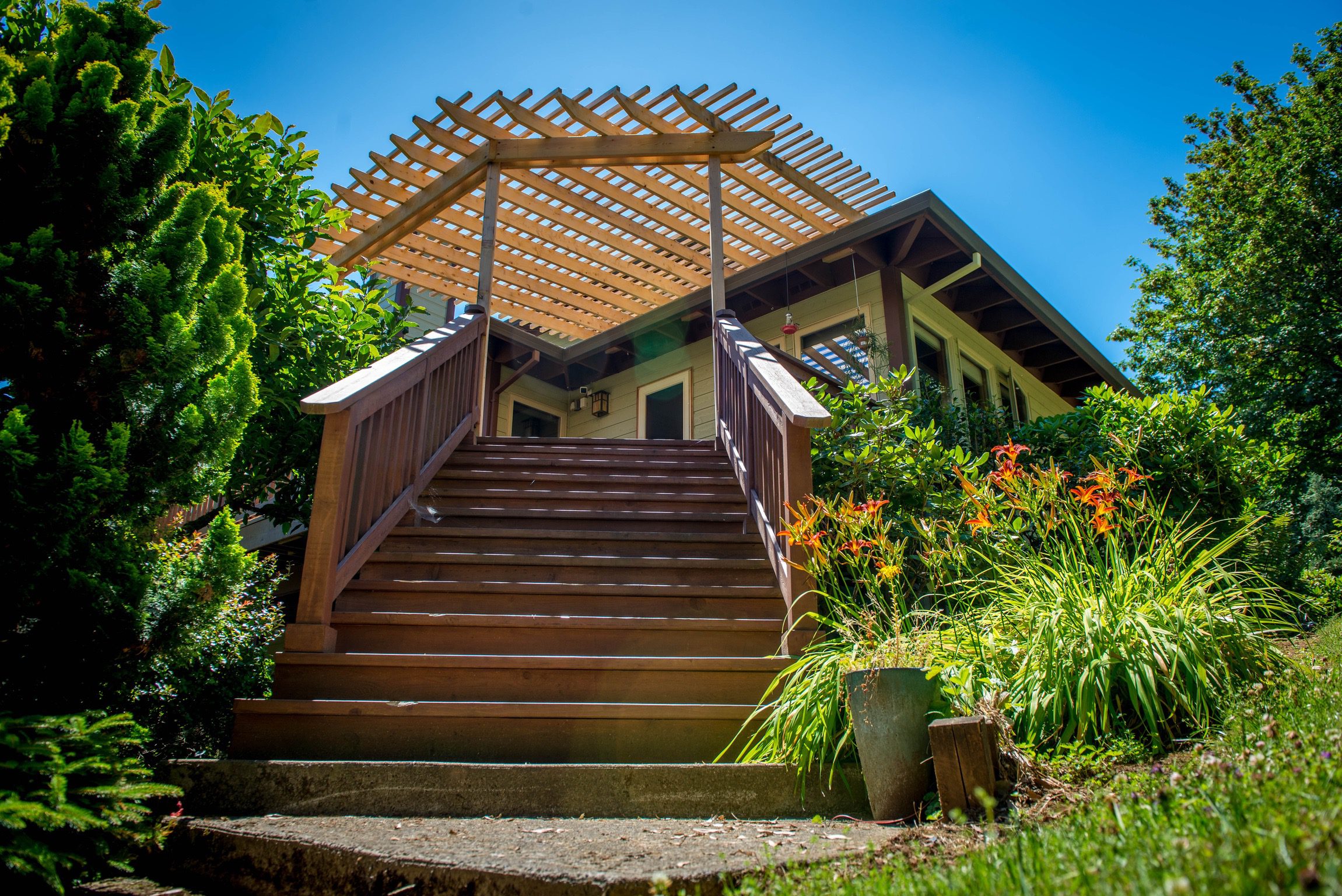
Maintains an Open Outdoor Feel
Because the roof is not solid, the space remains more connected to the outdoors compared to a fully covered patio.
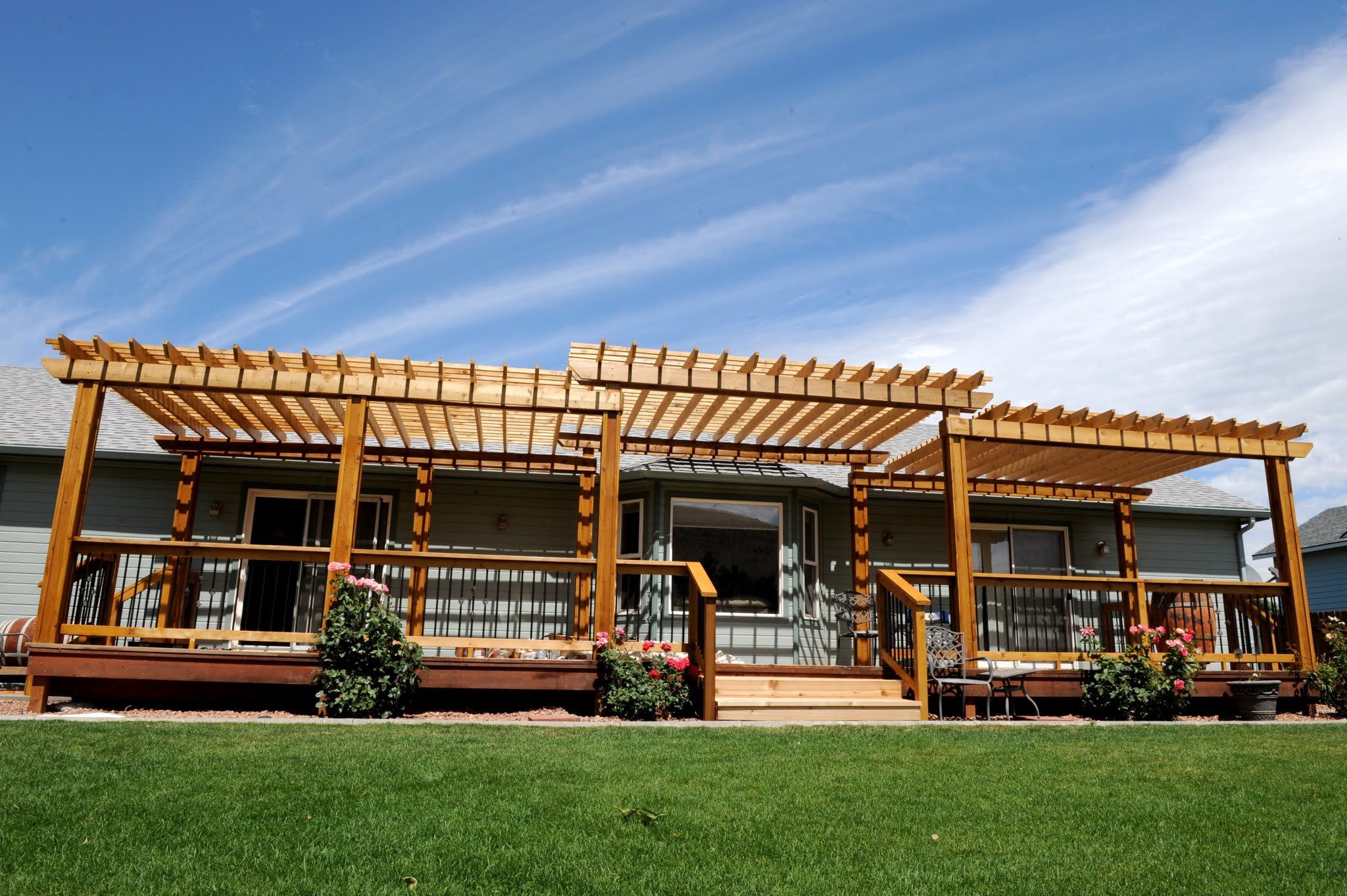
Architectural Outdoor Feature
Pergolas help frame patios, decks, or garden areas while adding structure and visual interest to the space.
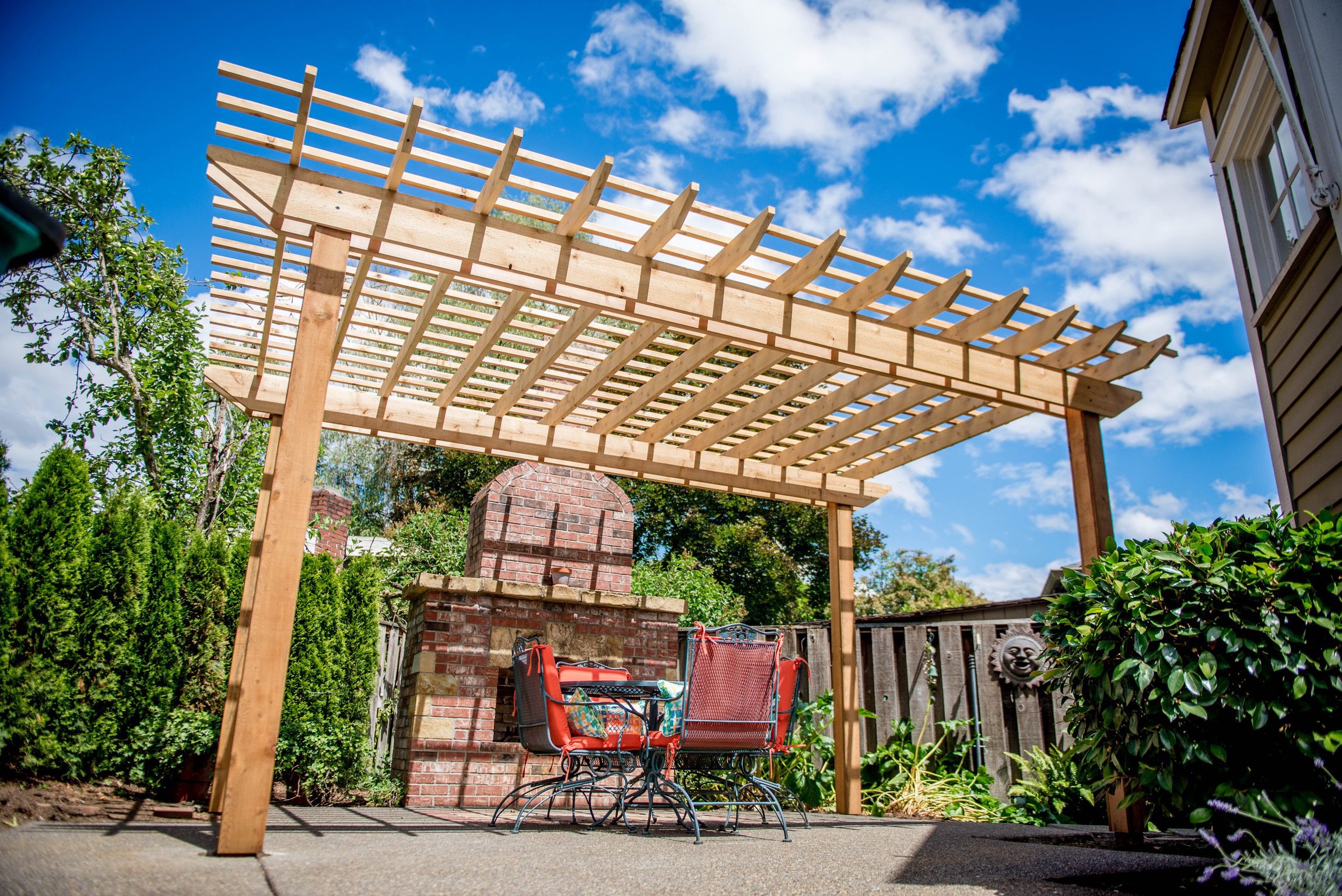
Flexible Placement Options
Pergolas can be attached to a home or installed as freestanding structures depending on the layout.
Pergola Design Considerations
Several factors influence how a pergola fits into an outdoor living space.
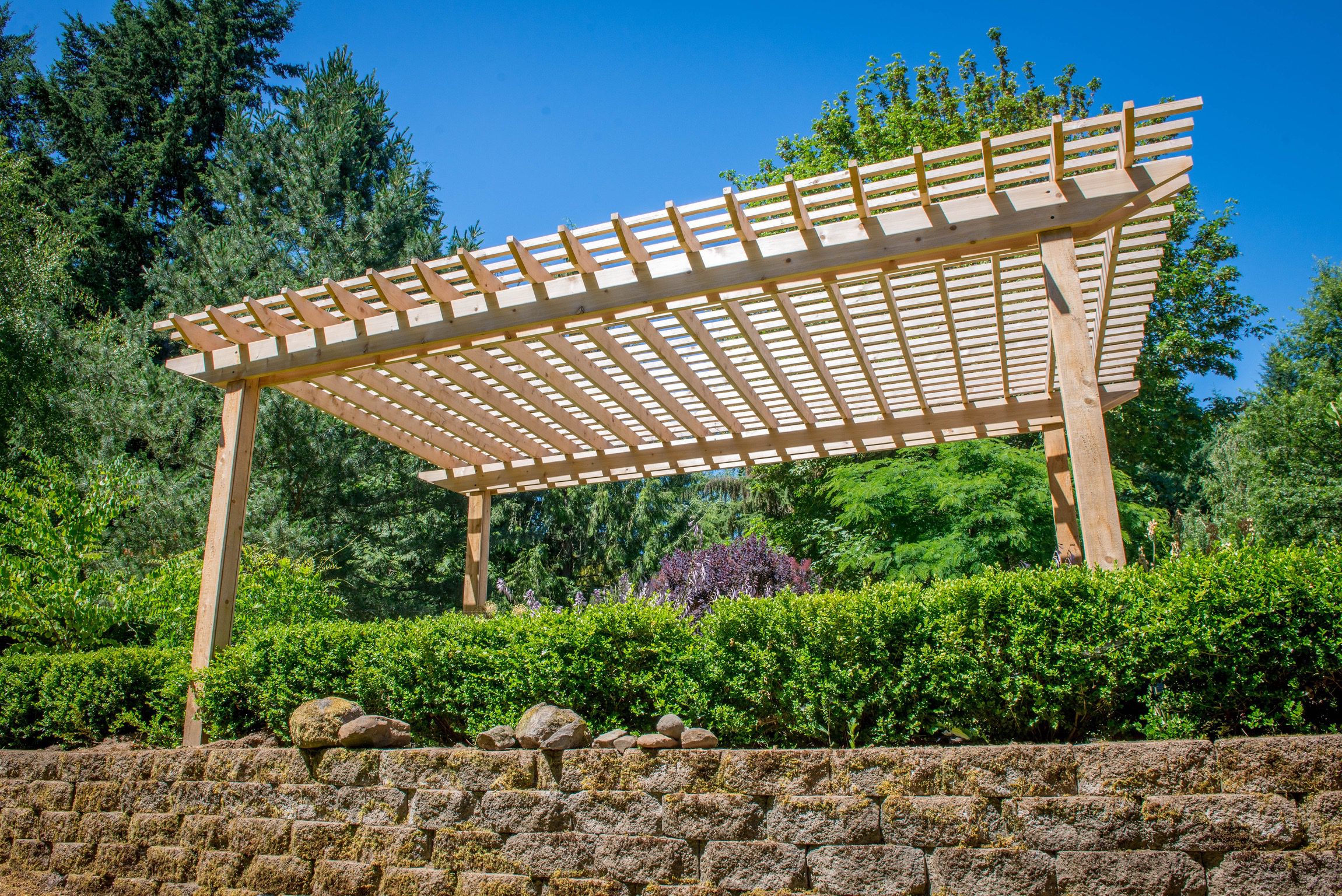
Attached vs Freestanding Pergolas
Some pergolas extend from the home to create a defined patio area, while others are placed within the yard as standalone structures.
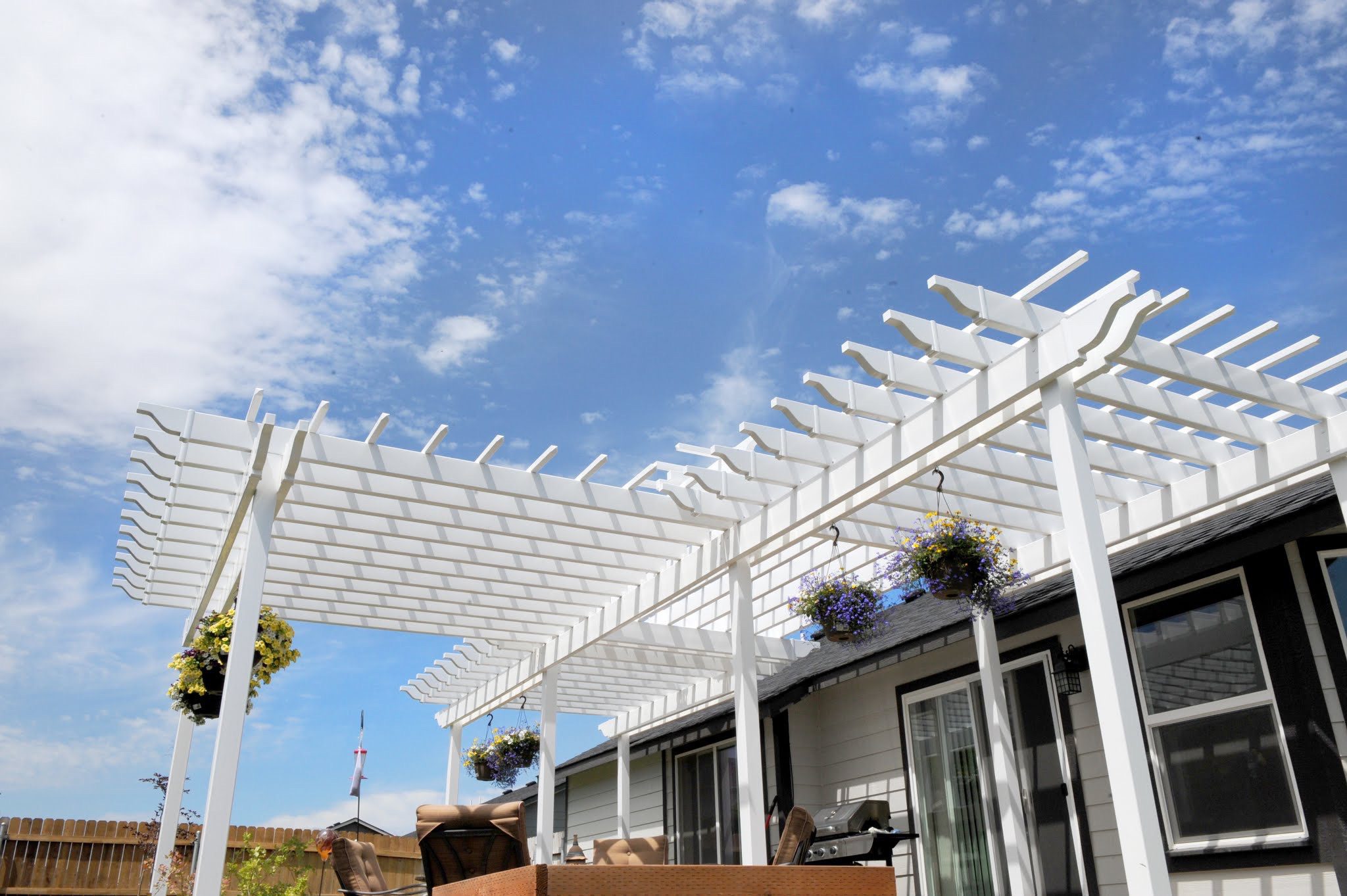
Size and Layout
Pergola dimensions are typically based on the patio or deck area, with beam spacing and post placement shaping the structure.
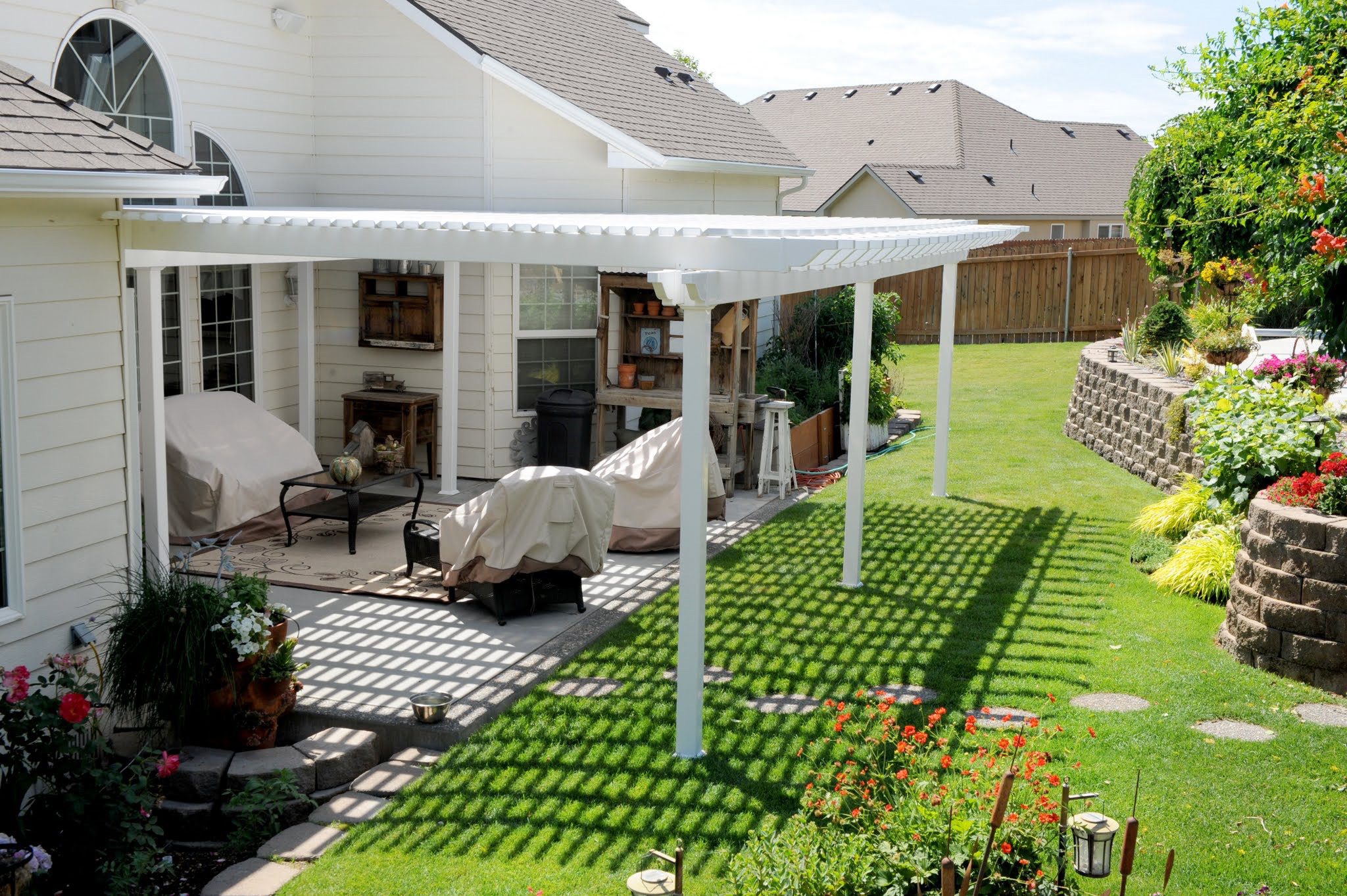
Shade and Sunlight Balance
Because the roof is open, beam spacing plays a role in how much shade the pergola provides throughout the day.
Planning Pergola Installation
Planning begins with understanding how the outdoor space is used and where structure or shade would improve comfort. Working through these elements early helps the pergola feel like a natural part of the outdoor layout. Rick’s works with homeowners to review:
- The size and layout of the patio or deck
- Location of seating or dining areas
- Desired level of shade
- Placement of structural posts
18-Month, No-Interest Financing on Approved Credit
We want you to have the BEST at an affordable price and at the right time for you! That’s why we work with lenders in the Home Services industry to develop financing options that suit your needs. This month, enjoy 18-Month, no-interest financing on all installed projects!
Types of Pergolas and Material Options
Pergolas can be built using different materials and configurations depending on the look you want, how much maintenance you’re comfortable with, and how the structure will be used. Each option creates a similar open-air feel, but the materials and added features can change how the space performs over time.
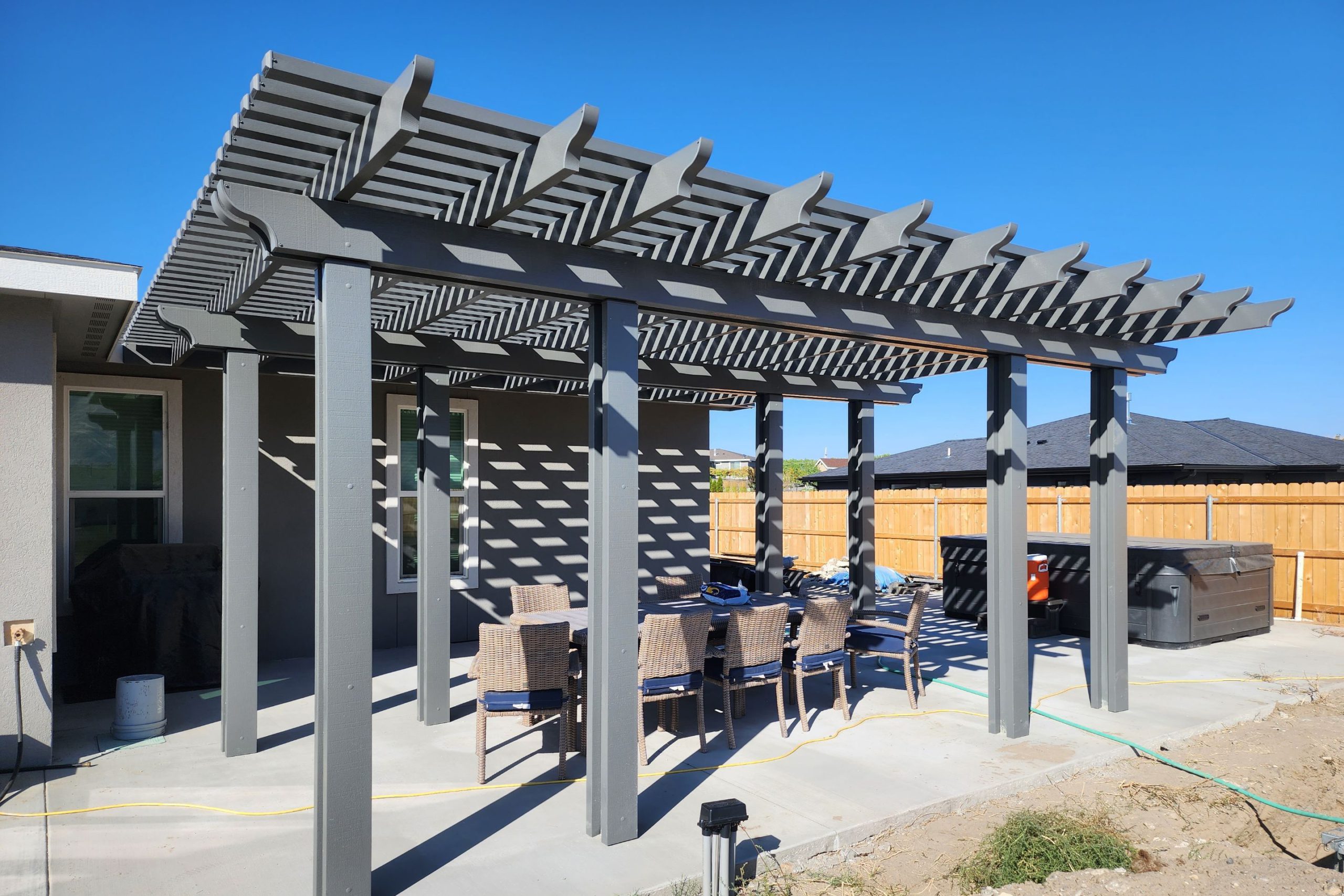
Duralum Aluminum Pergolas
Aluminum pergolas provide a clean, low-maintenance structure that holds its appearance over time. This option is often chosen for its durability and consistent finish, especially in outdoor environments where exposure to moisture is a concern.
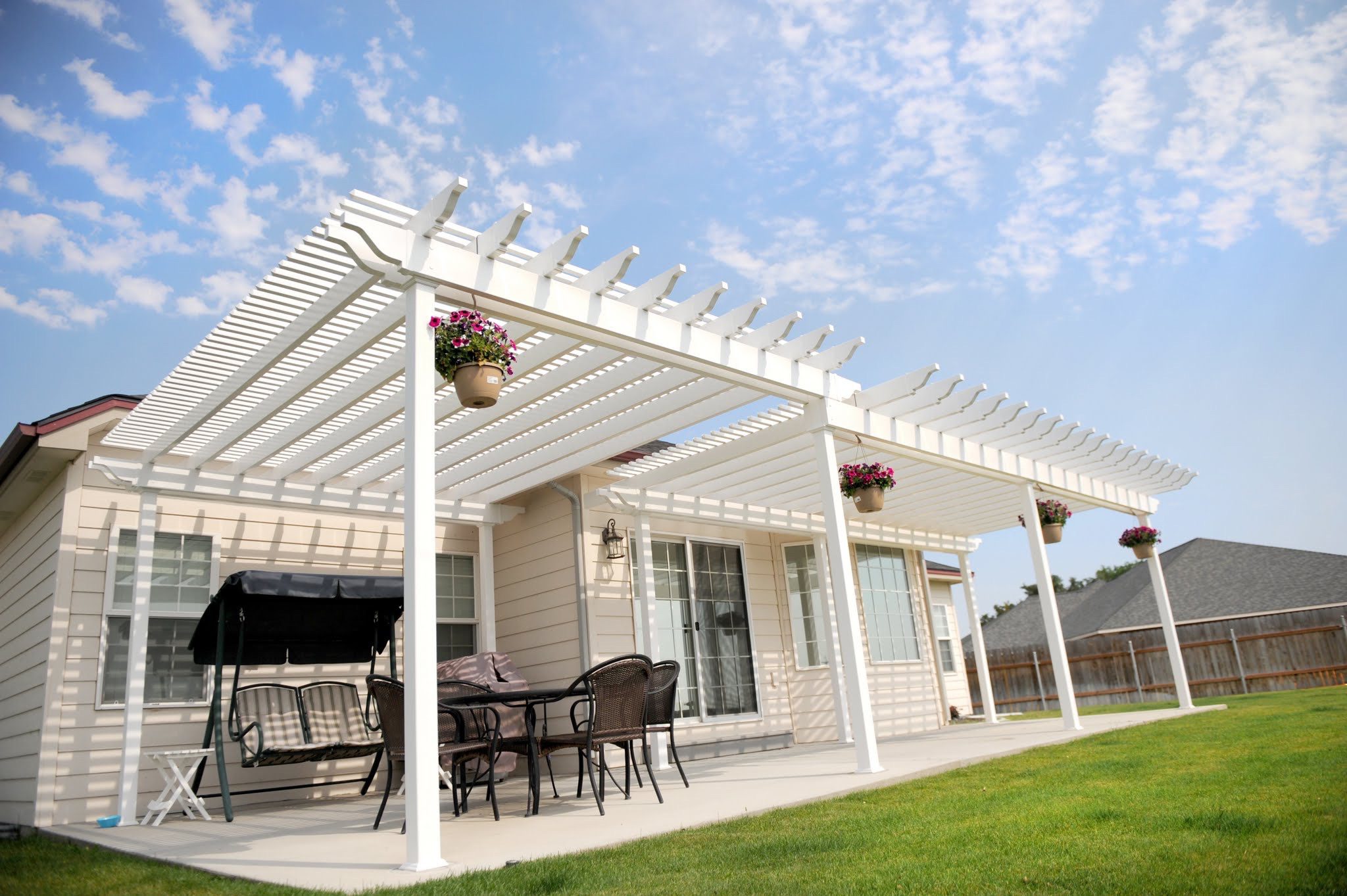
Vinyl Pergolas
Vinyl pergolas offer a bright, uniform look that complements a wide range of home styles. They require minimal upkeep and are often selected when a low-maintenance option with a traditional pergola layout is preferred.
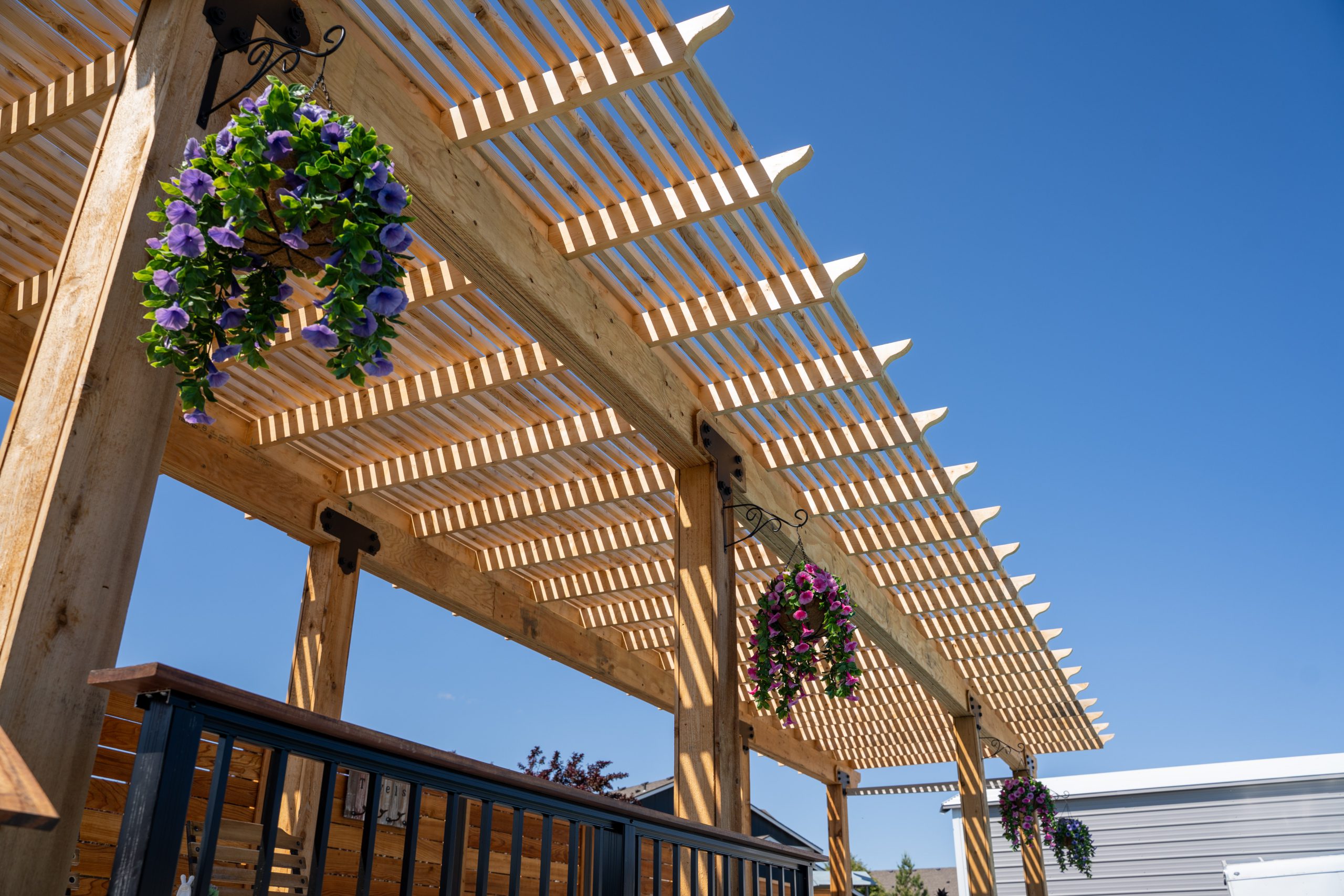
Cedar Pergolas
Cedar pergolas bring a natural wood look to outdoor spaces, with visible grain and warmer tones that blend well with landscaping and wood decks. This option is often chosen when the goal is to create a more organic, architectural feature.
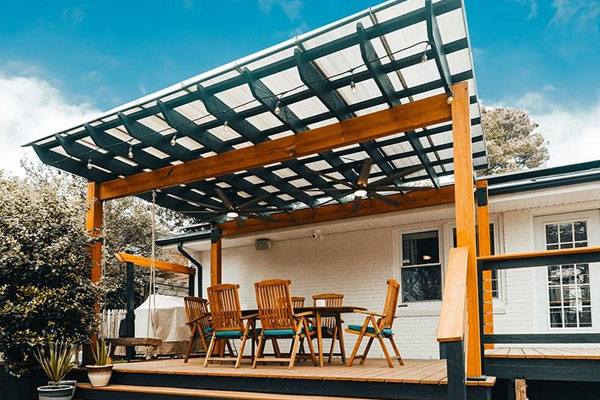
WeatherShield Pergola Covers
WeatherShield systems can be added to pergolas to introduce overhead protection while still allowing natural light into the space. This option works well for homeowners who want to extend the usability of a pergola without fully converting it into a solid patio cover.
Pergola Installation FAQs
Below are answers to some of the most common questions homeowners ask about pergola cover longevity, staining, maintenance, and seasonal protection — so you know what to expect and how to keep your pergola looking its best over time
-
-
How large can a pergola be?
Pergola size depends on the layout of the outdoor space and structural design considerations. Pergolas are often sized to match the patio or deck area they cover. -
Can pergolas be installed over decks?
Yes. Pergolas can be installed over both ground-level patios and elevated decks depending on structural design. -
Can a pergola attach to a house?
Yes. Some pergolas are attached to the exterior of the home to extend over patios or decks. Others are installed as freestanding structures in the yard. -
Do pergolas provide full rain protection?
Pergolas are designed to provide partial shade rather than full rain protection. Their open-beam roof structure allows sunlight and rain to pass through the spacing between the rafters. However, a pergola can be modified with a WeatherShield system to block rain and create a more weather-protected outdoor space. -
What is a pergola?
A pergola is an outdoor structure that uses posts and overhead beams to create partial shade. The open-beam design allows light and airflow to pass through while defining an outdoor living space. -
What plants can grow on my pergola?
Climbing vines such as wisteria, grapevines, or jasmine will grow around the pergola and create natural shade and luch, green canopy overhead. -
What is the typical lifespan of a pergola?
Cedar pergolas can last anywhere from 10 to 25 years or more with proper care or maintenance. A vinyl pergola typically has a longer lifespan, upwards of 30 years or more. An aluminum pergola also have a longer lifespan of 30 years or more. -
Are they any special considerations for installing accessories like curtains or screens on my pergola?
Yes, when installing accessories like curtains or screens on your pergola consider the material's durability, weather resistance, and ease of maintenance. Ensure proper attachment methods to the pergola. -
Should I stain my cedar pergola?
Staining your cedar pergola is optional but can enhance its appearance and provide added protection against UV rays and moisture. If you prefer to maintain the natural color of cedar, you can opt for a clear sealant instead of a stain. Ultimately, staining your cedar pergola can prolong its lifespan and maintain its aesthetic appeal, but it's not strictly necessary for the structural integrity of the wood. -
Can I pressure wash my pergola?
We do not recommend you pressure wash your pergola. -
How do I clean my pergola?
To clean your pergola, gather materials including mild detergent, scrub the surface gently with a soft-bristled brush, rinse thoroughly, inspect for stubborn stains, air dry, and implement preventive maintenance measures such as regular cleaning and debris removal to maintain its appearance and longevity.
-
Request an Estimate for Pergola Installation in Oregon & Southwest Washington
If you are planning a pergola in Oregon & Southwest Washington, Rick’s can review your space to determine the best configuration for your property.
SCHEDULE YOUR FREE ESTIMATE!
Pergola Design & Maintenance Insights