CEDAR HANDRAIL INSTALLATION FOR DECKS IN OREGON & WASHINGTON
Rick’s Custom Fencing & Decking installs cedar handrails for decks and outdoor stairs throughout Oregon & Washington. Cedar handrails are often chosen by homeowners who want a railing that matches the natural look of a wood deck while maintaining a consistent, traditional appearance.
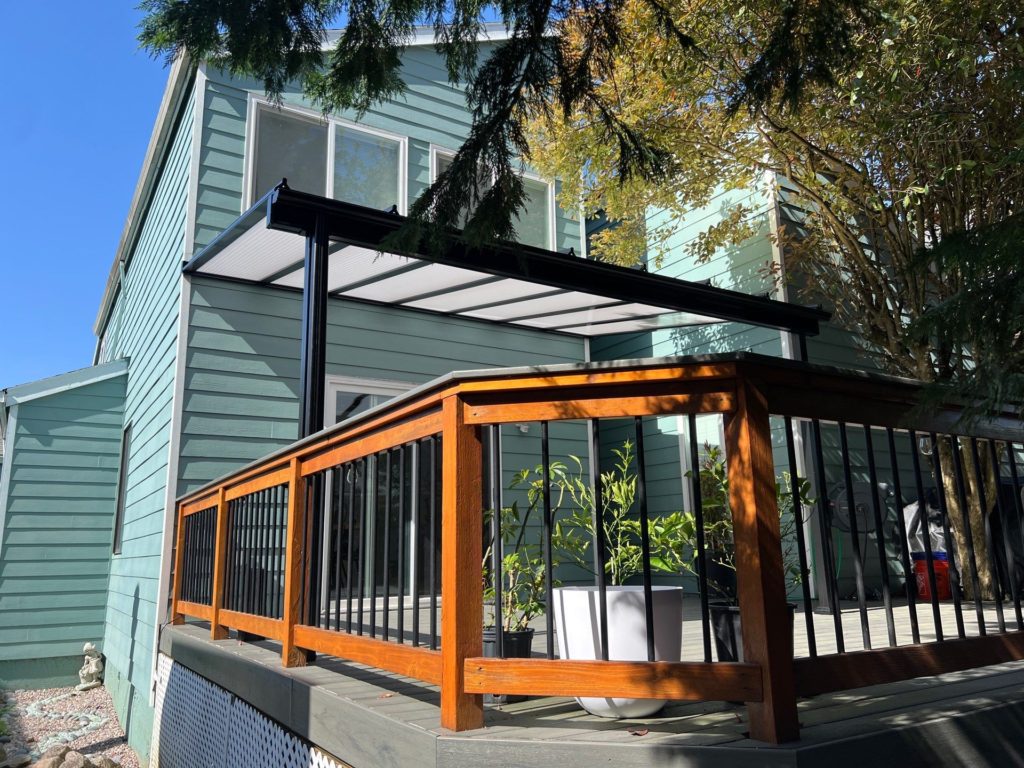
Cedar’s warm tone and visible grain make it a good fit for decks built with natural materials. Many homeowners choose cedar when they want the railing system to blend seamlessly with the deck surface and surrounding landscape.
Whether installed along deck perimeters or stairways, cedar handrails support safety while contributing to how the overall space looks and feels.
Start Your Project Today!
What Makes Cedar Deck Handrails Different
As homeowners compare railing options, the focus is often on appearance, maintenance, and how the material will perform over time. Cedar is a common choice for those who prefer a natural wood railing that works well with traditional deck designs.
Natural Wood Appearance
Cedar has a warm color and visible grain that gives the railing a more organic look. This makes it a strong match for wood decks and outdoor spaces that incorporate natural materials.
Performs Well in Outdoor Conditions
Cedar contains natural oils that help resist moisture, rot, and insect damage. This allows the railing to perform reliably in outdoor environments like Oregon & Washington.
Flexible Design Options
Cedar handrails can be incorporated into a range of railing styles, from simple layouts to more detailed designs depending on the structure of the deck.
Designed to Match Wood Decks
Cedar is often selected when homeowners want the railing system to visually match the deck surface, creating a more cohesive overall appearance.
Rick’s installs cedar handrails so they fit cleanly within the structure and layout of the deck.
Cedar Handrail Design Considerations for Decks
Cedar handrails can be incorporated into different parts of a deck depending on safety requirements and layout. These factors help determine how cedar handrails fit into the overall deck design.
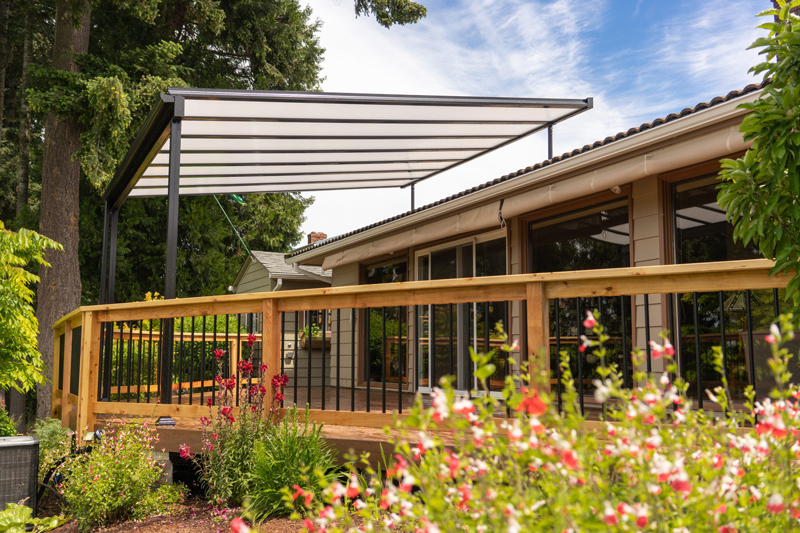
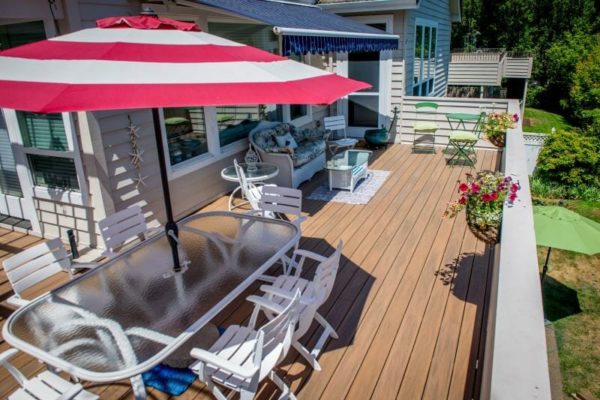
Deck Perimeter Handrails
Perimeter railings define the edges of elevated decks while providing required fall protection.
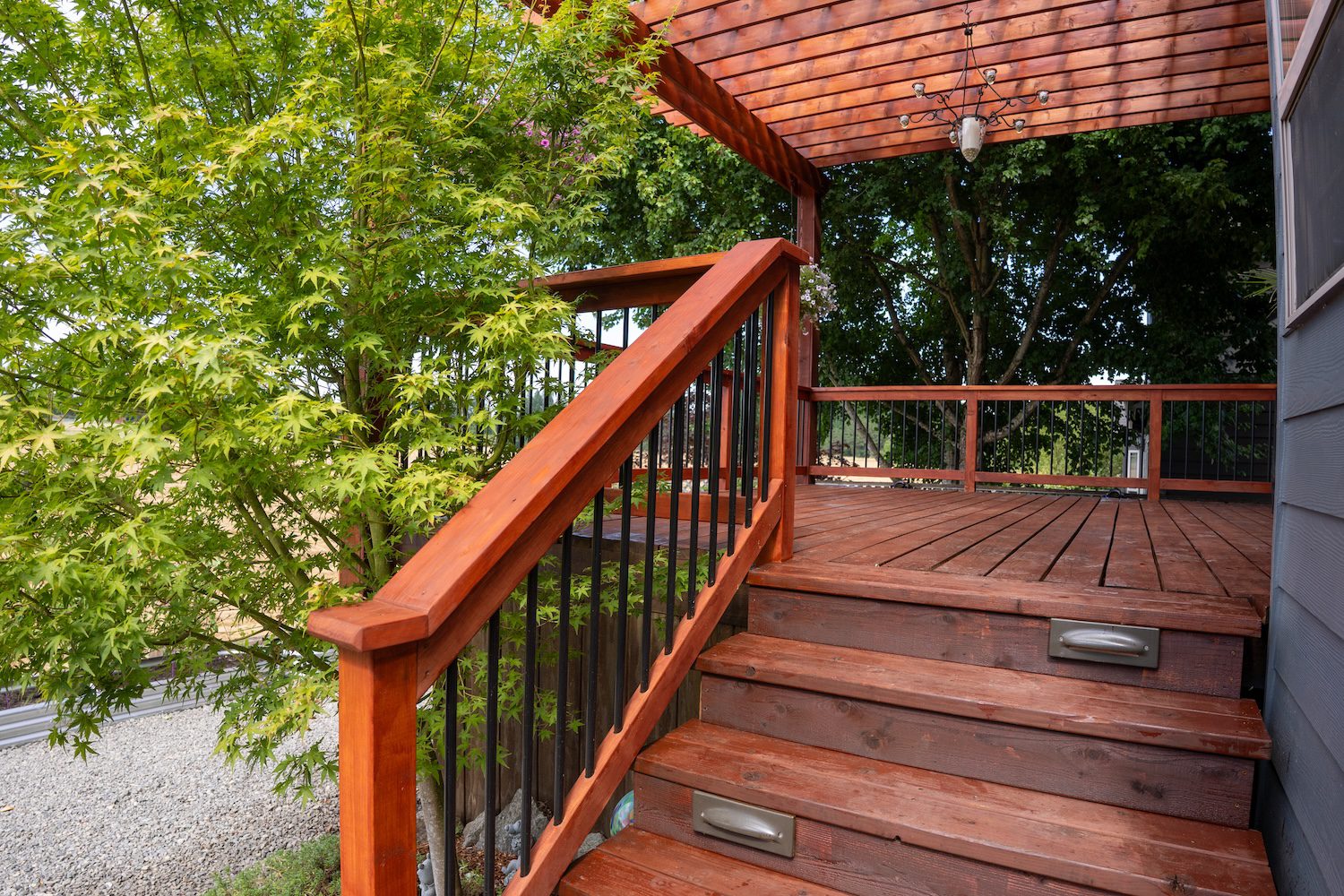
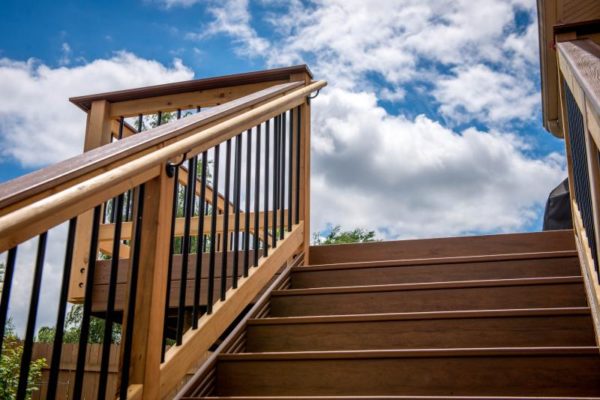
Deck Stair Handrails
Stair handrails support safe movement between the deck and the surrounding yard.
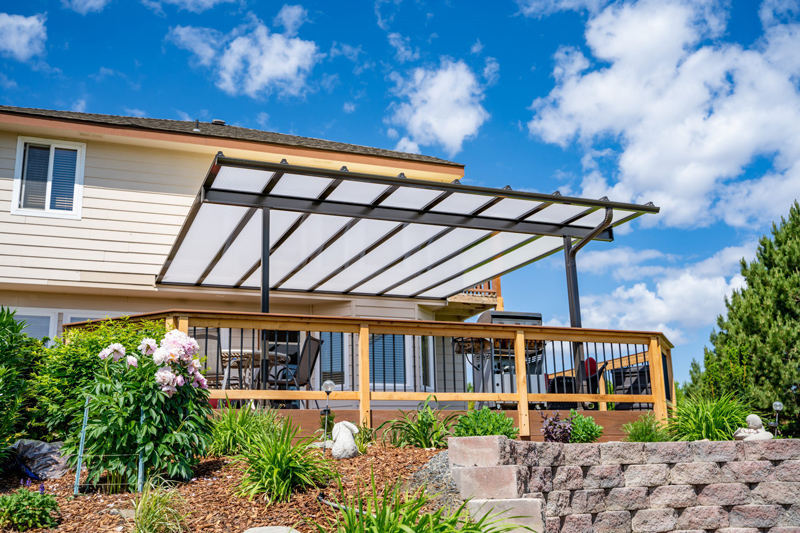
Railing Height and Spacing
Railing height and spacing are typically determined by local building codes and the height of the deck above grade.
Planning Cedar Handrail Installation
Adding cedar handrails begins with reviewing the layout of the deck and identifying where railings are needed. Rick’s works with homeowners to evaluate:
- Deck height and safety requirements
- Stair placement and access points
- Railing alignment along the deck perimeter
- How the railing design complements the deck materials
Addressing these details early helps the railing feel like a cohesive part of the overall deck design.
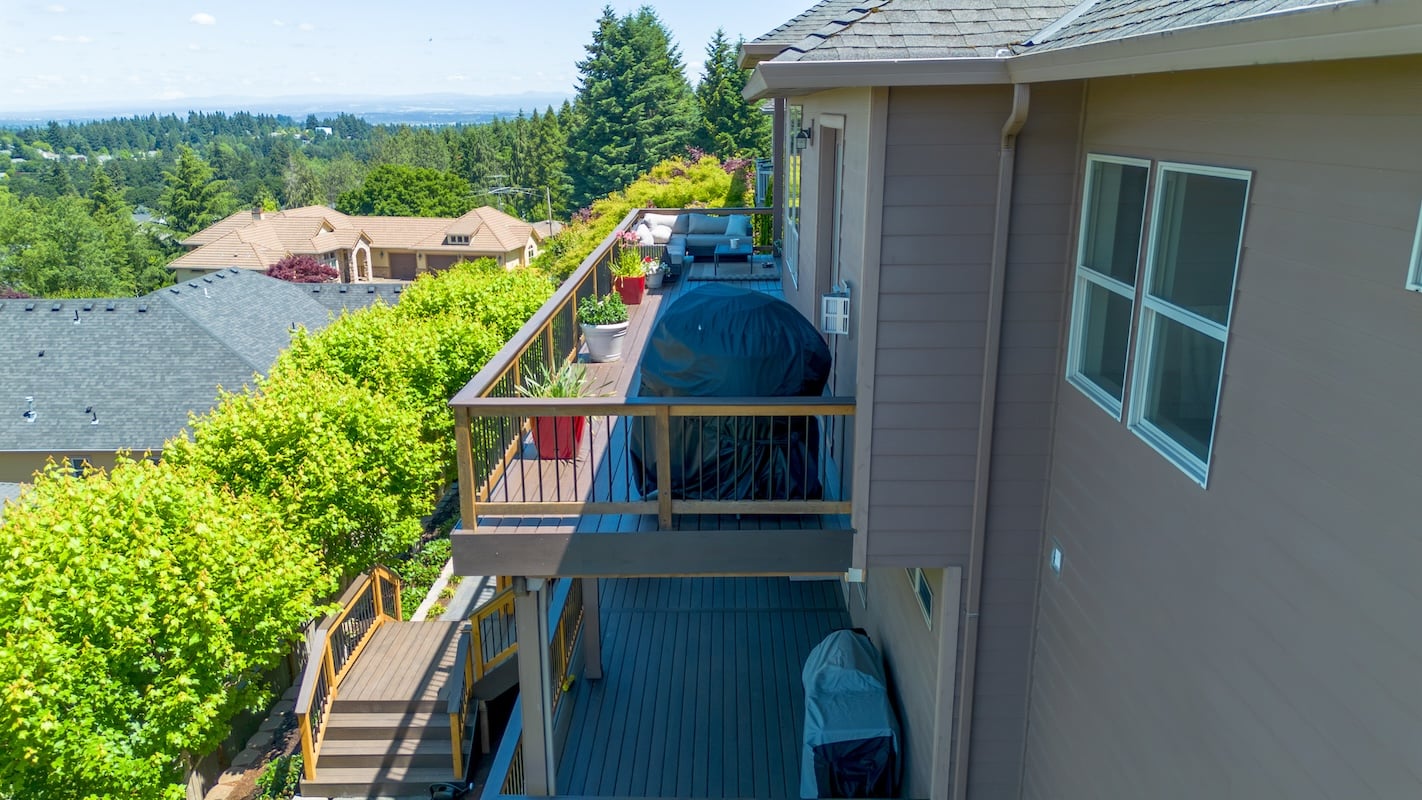
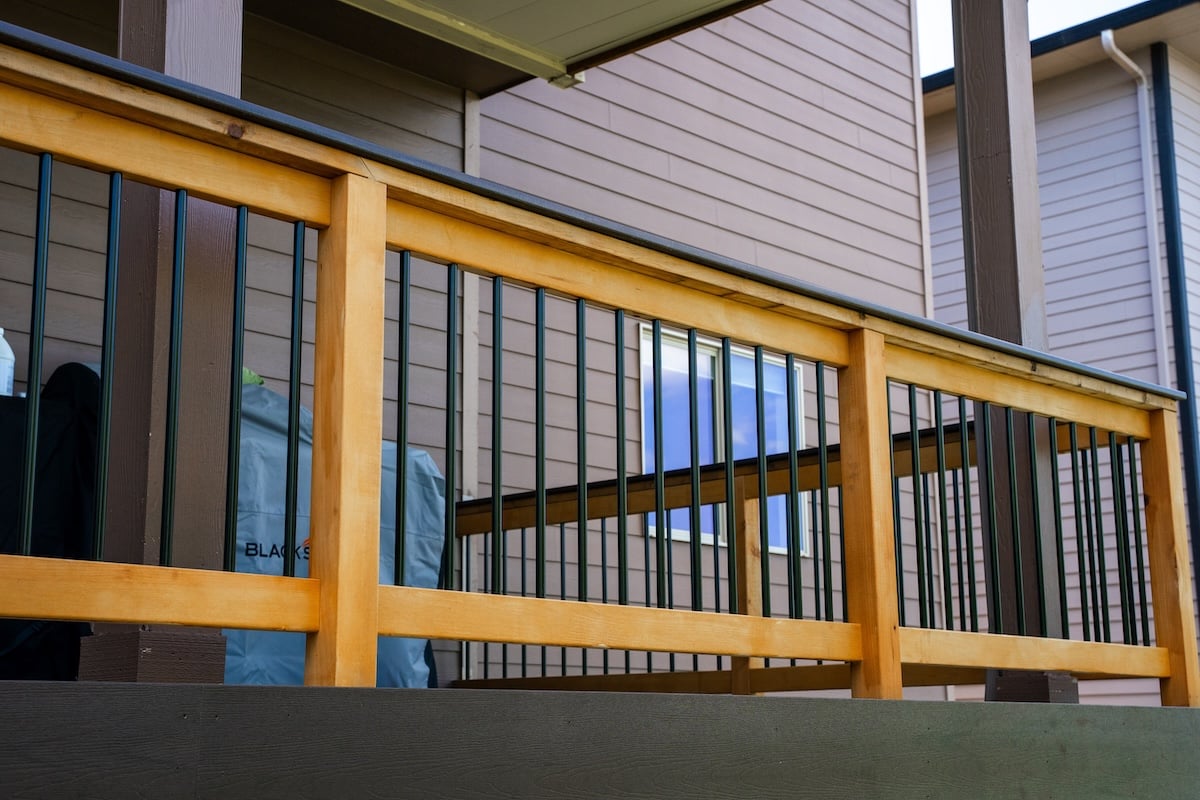
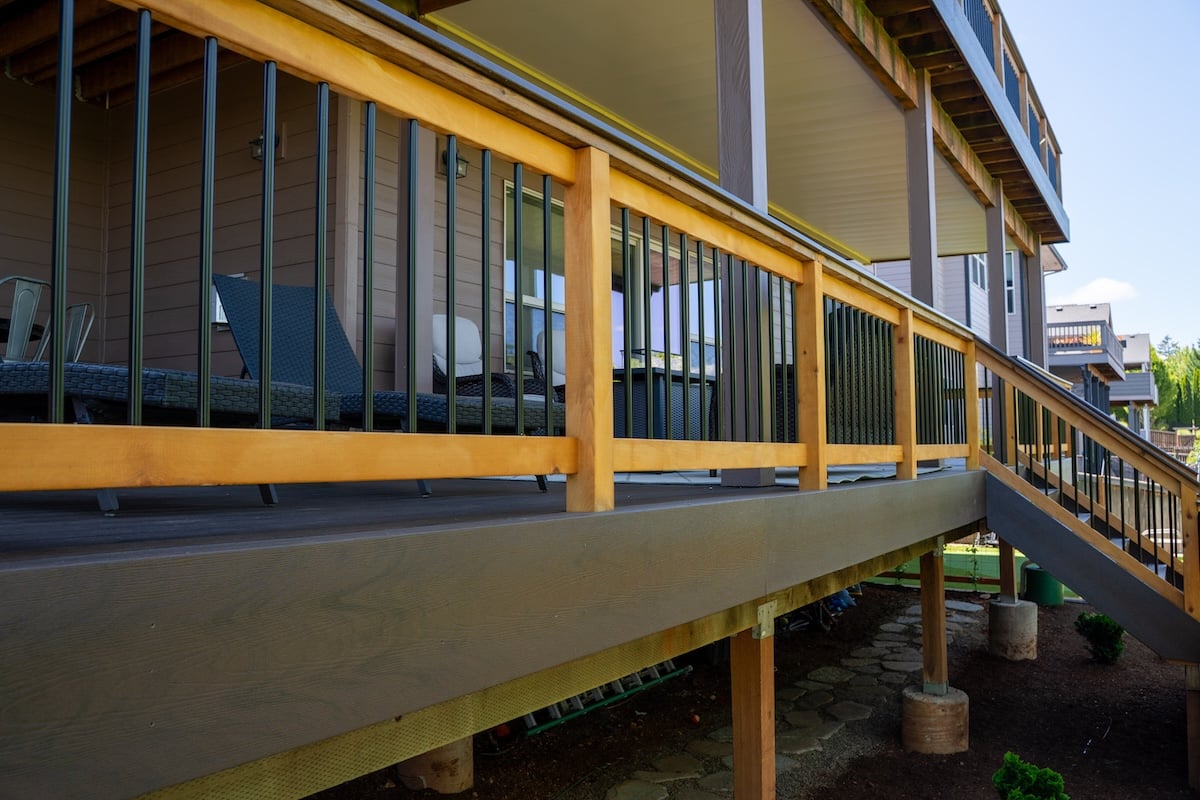
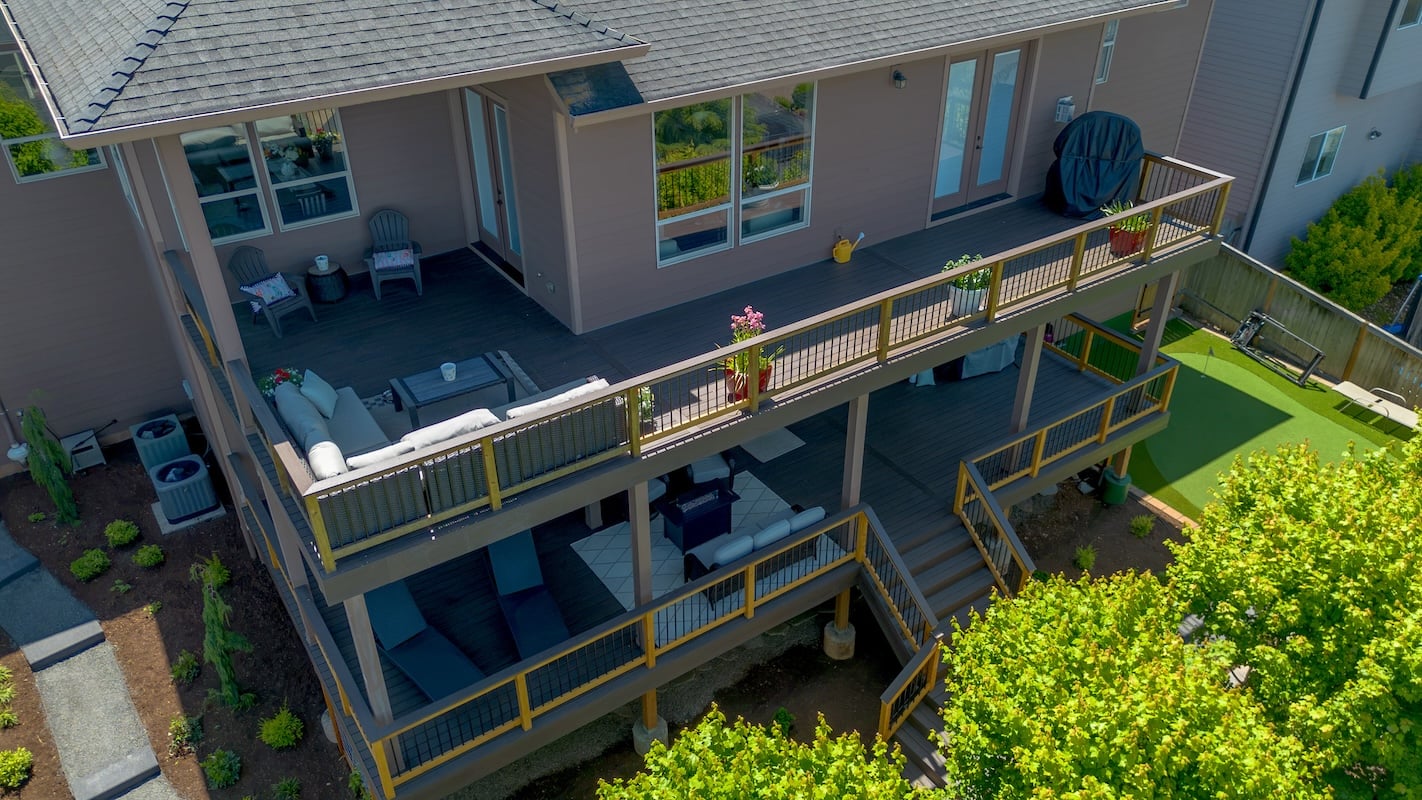
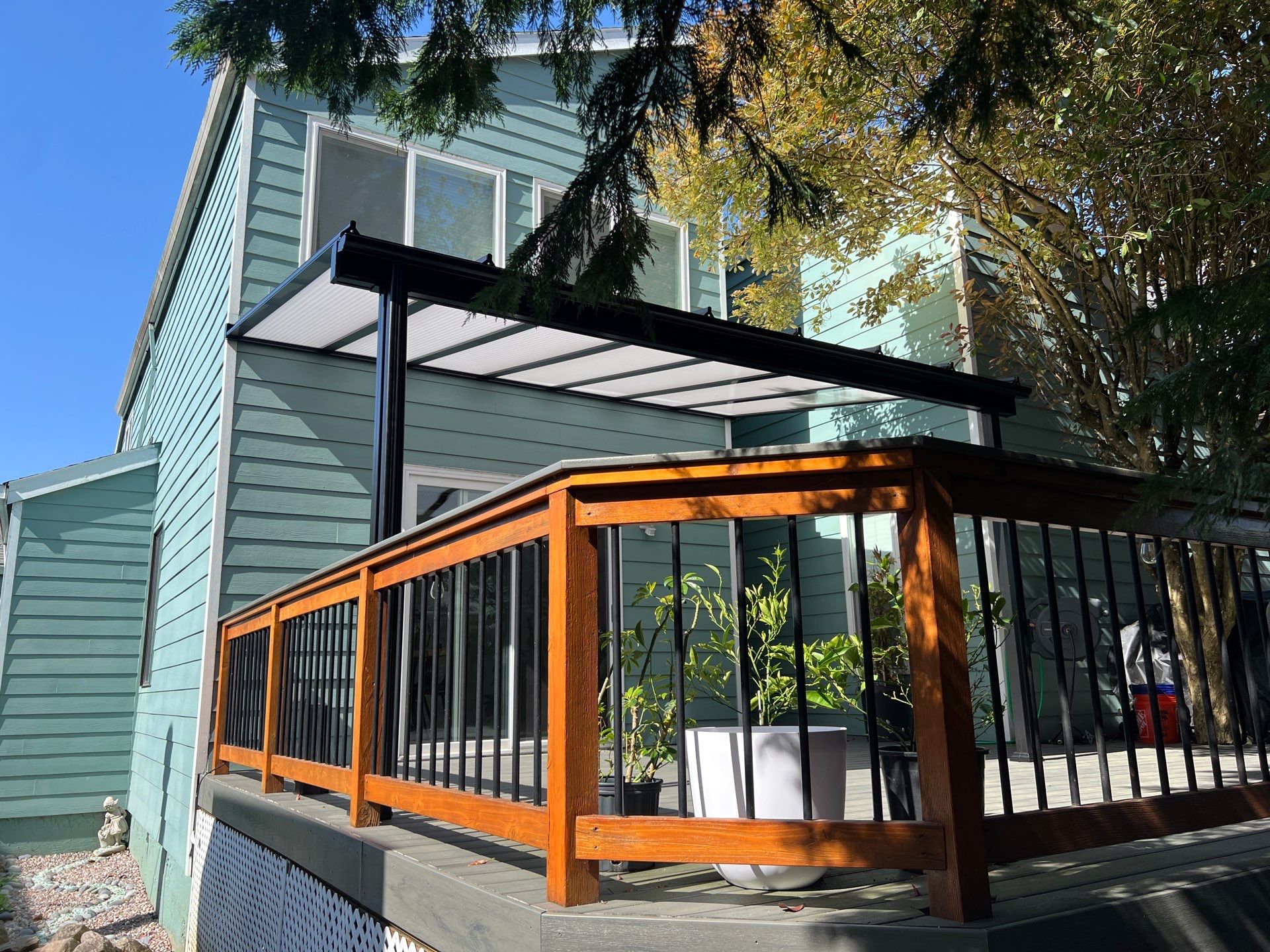
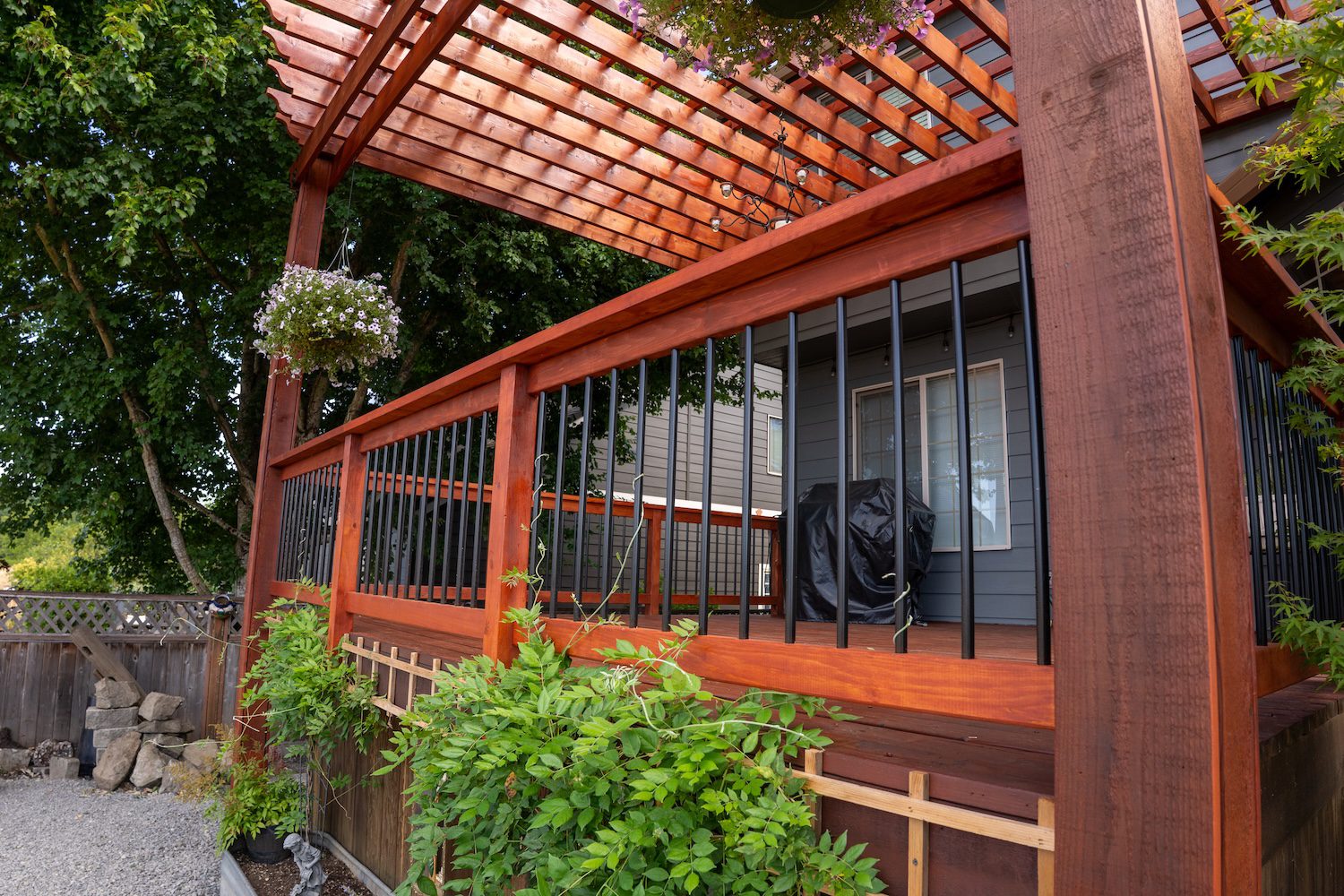
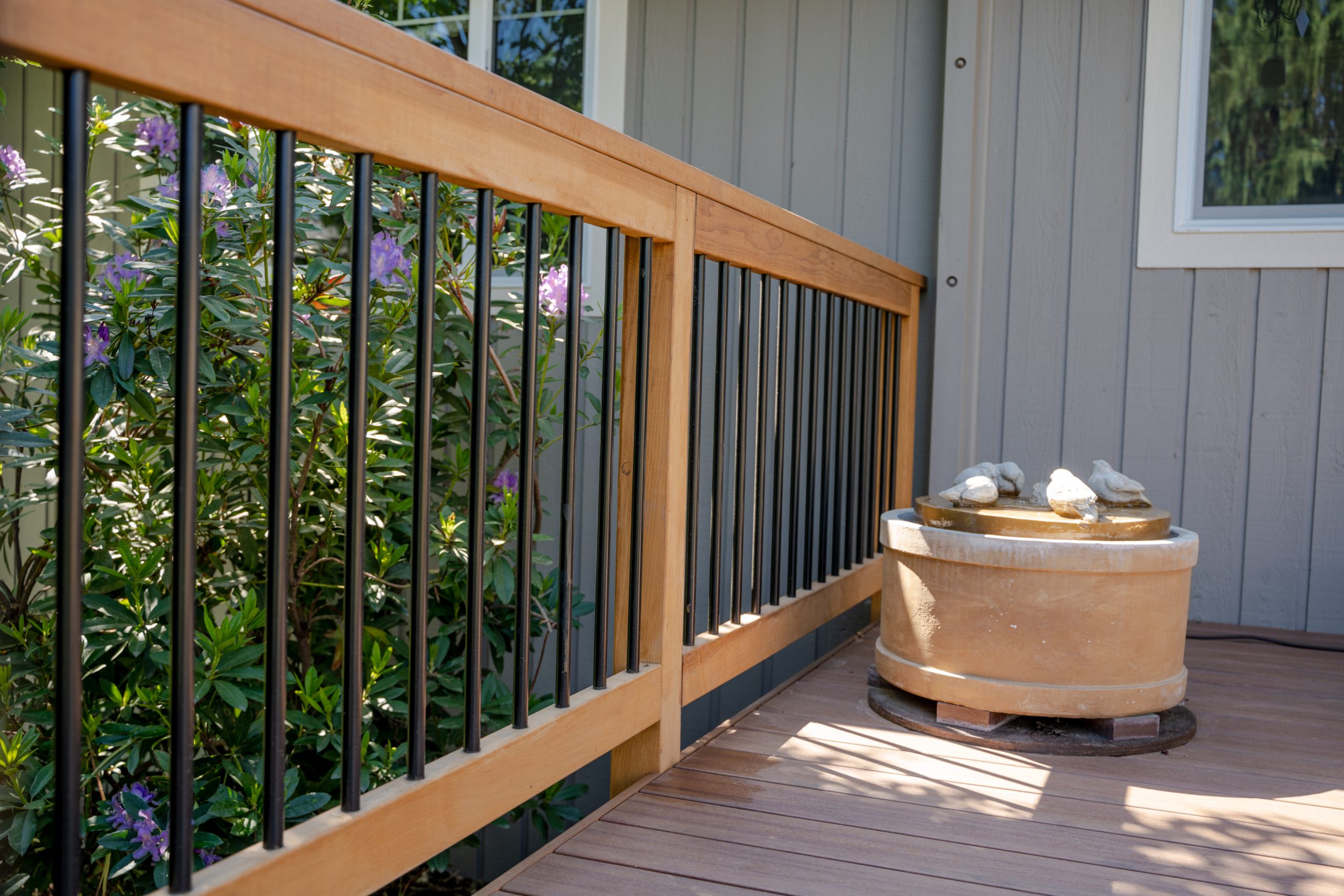
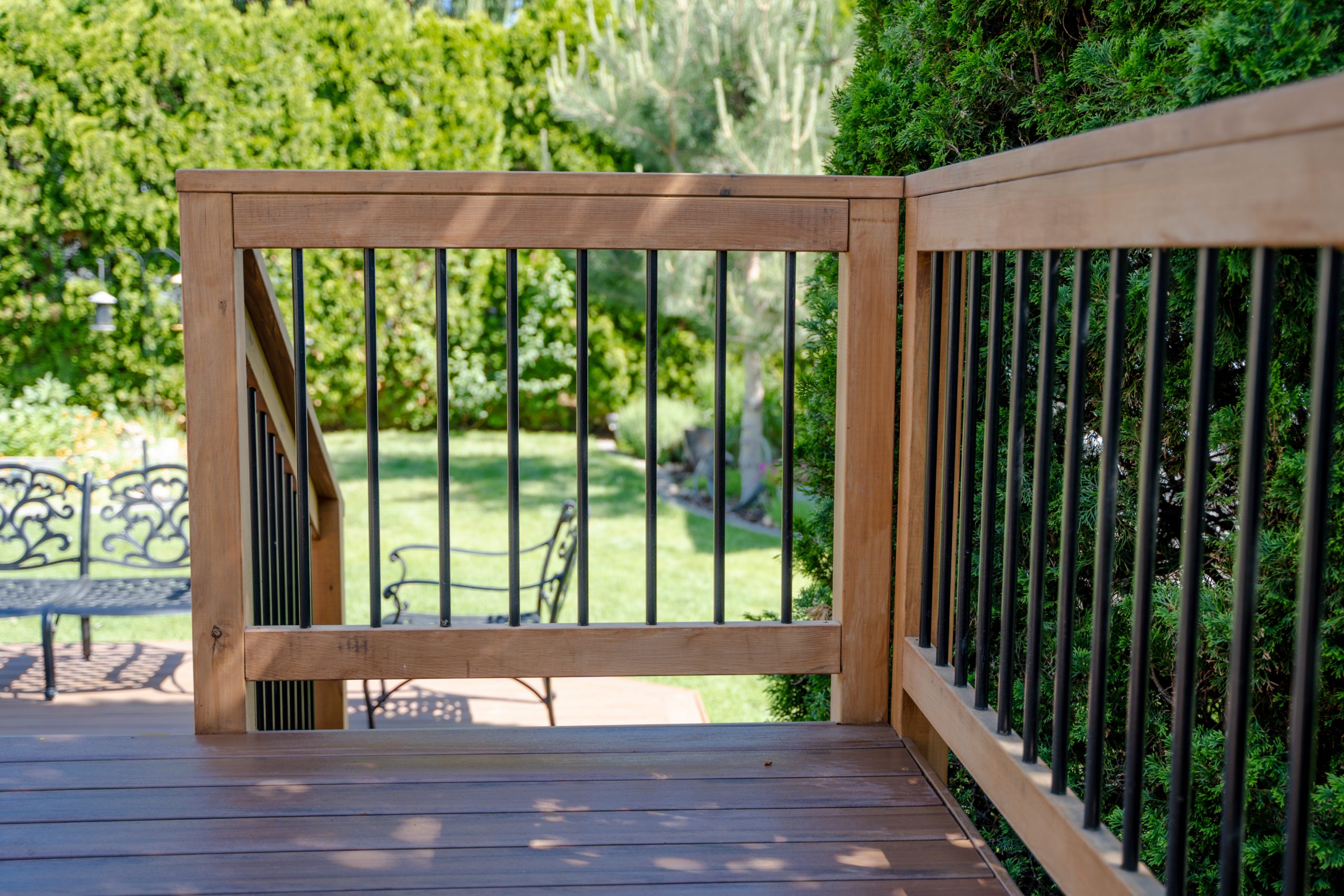
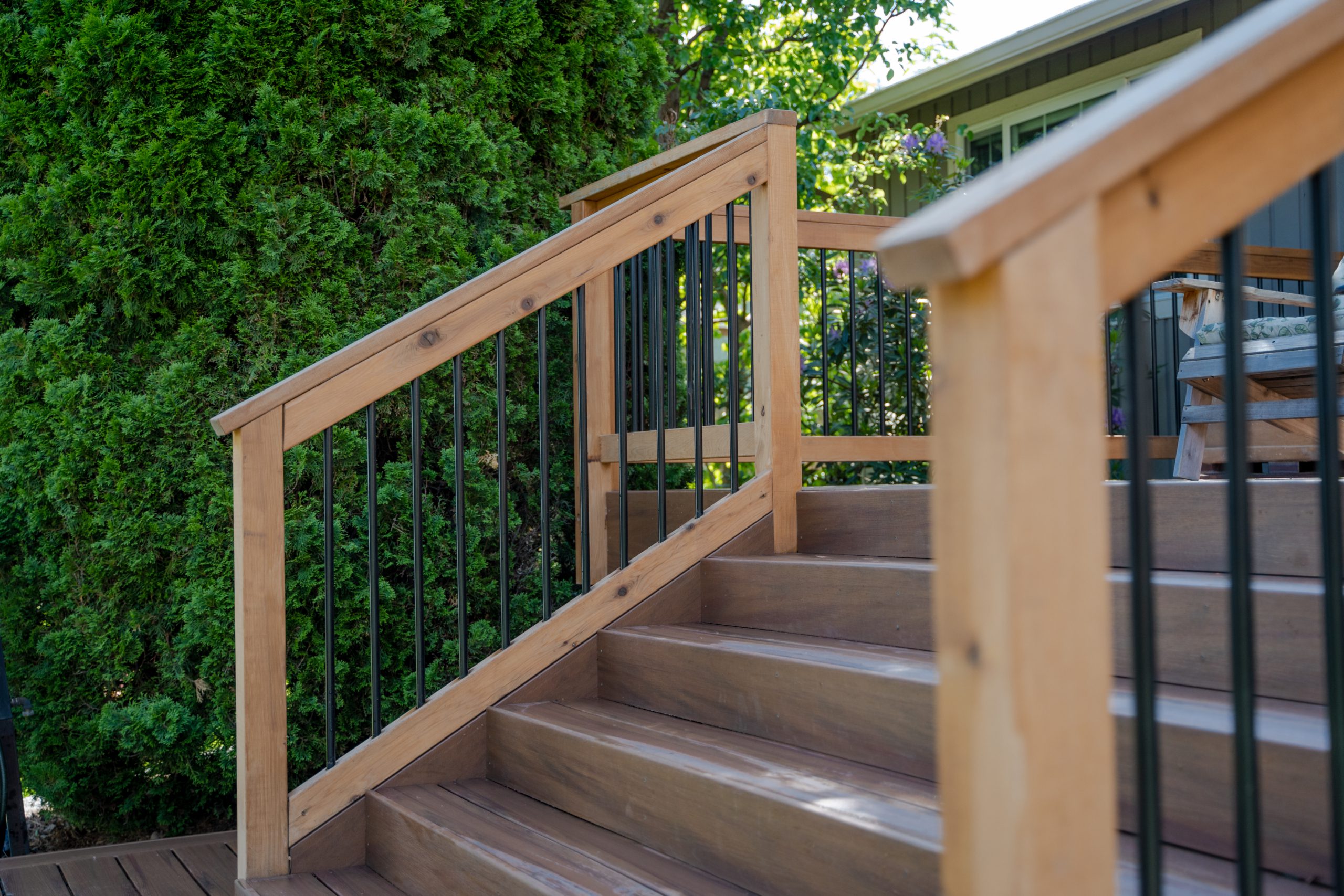
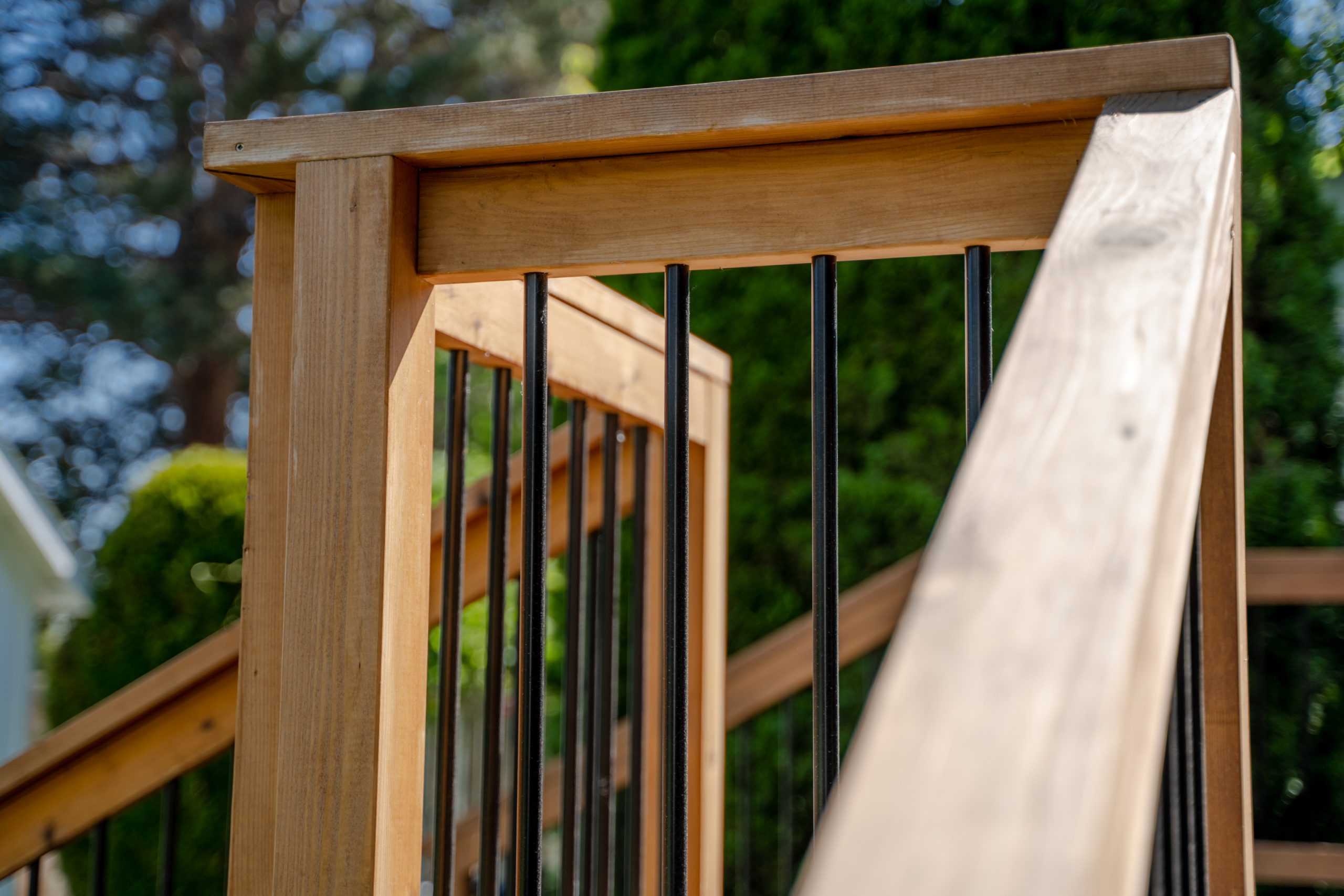
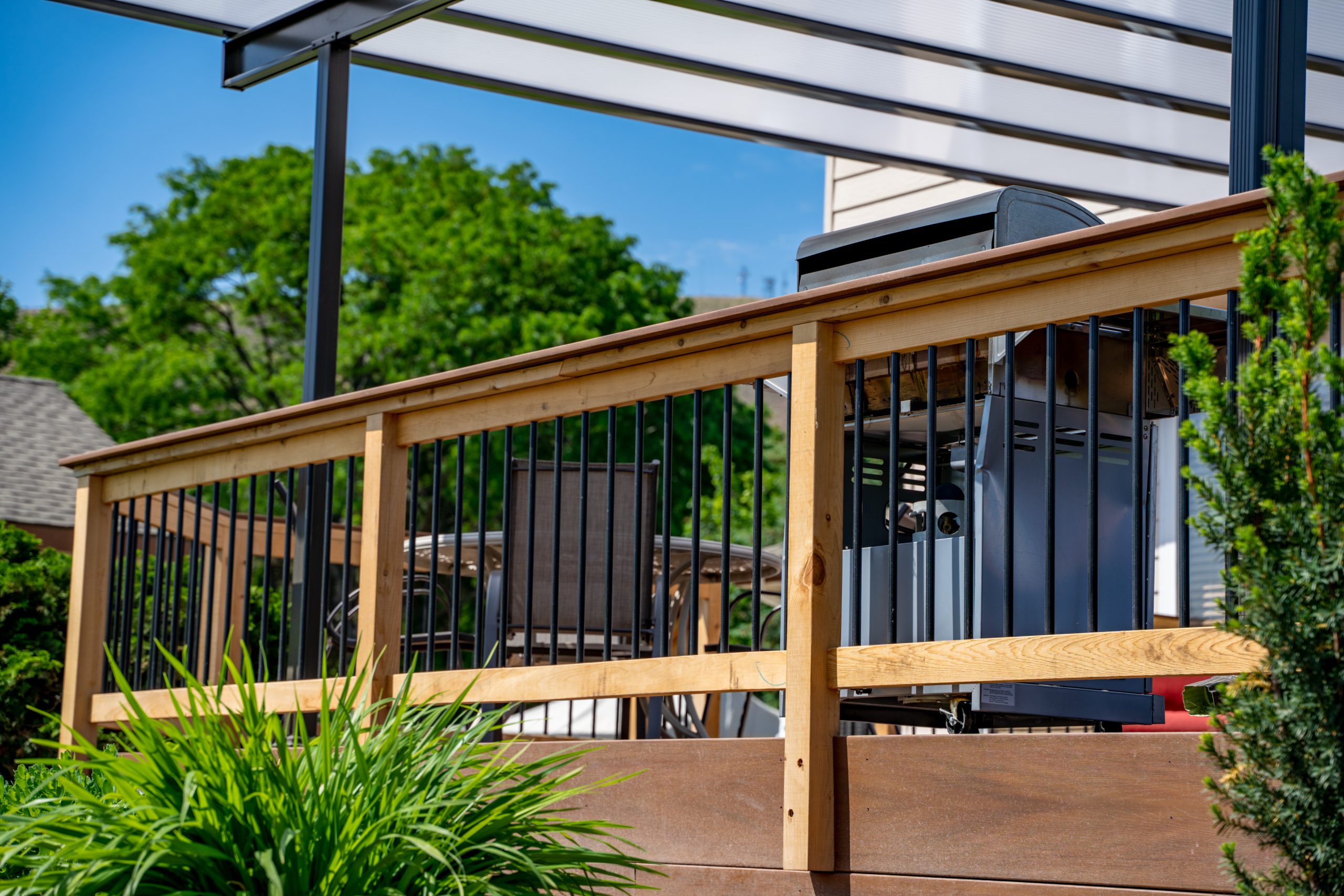
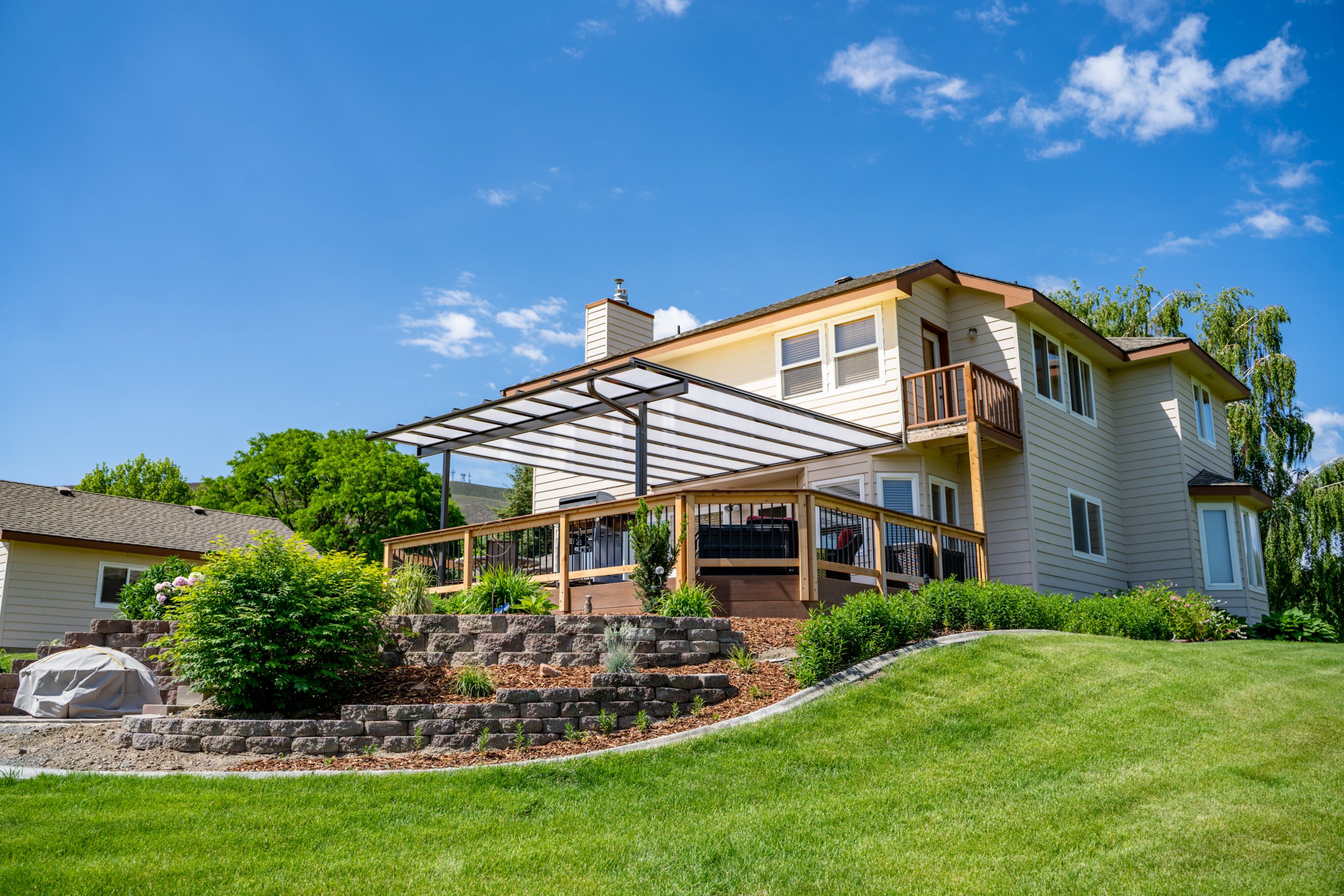
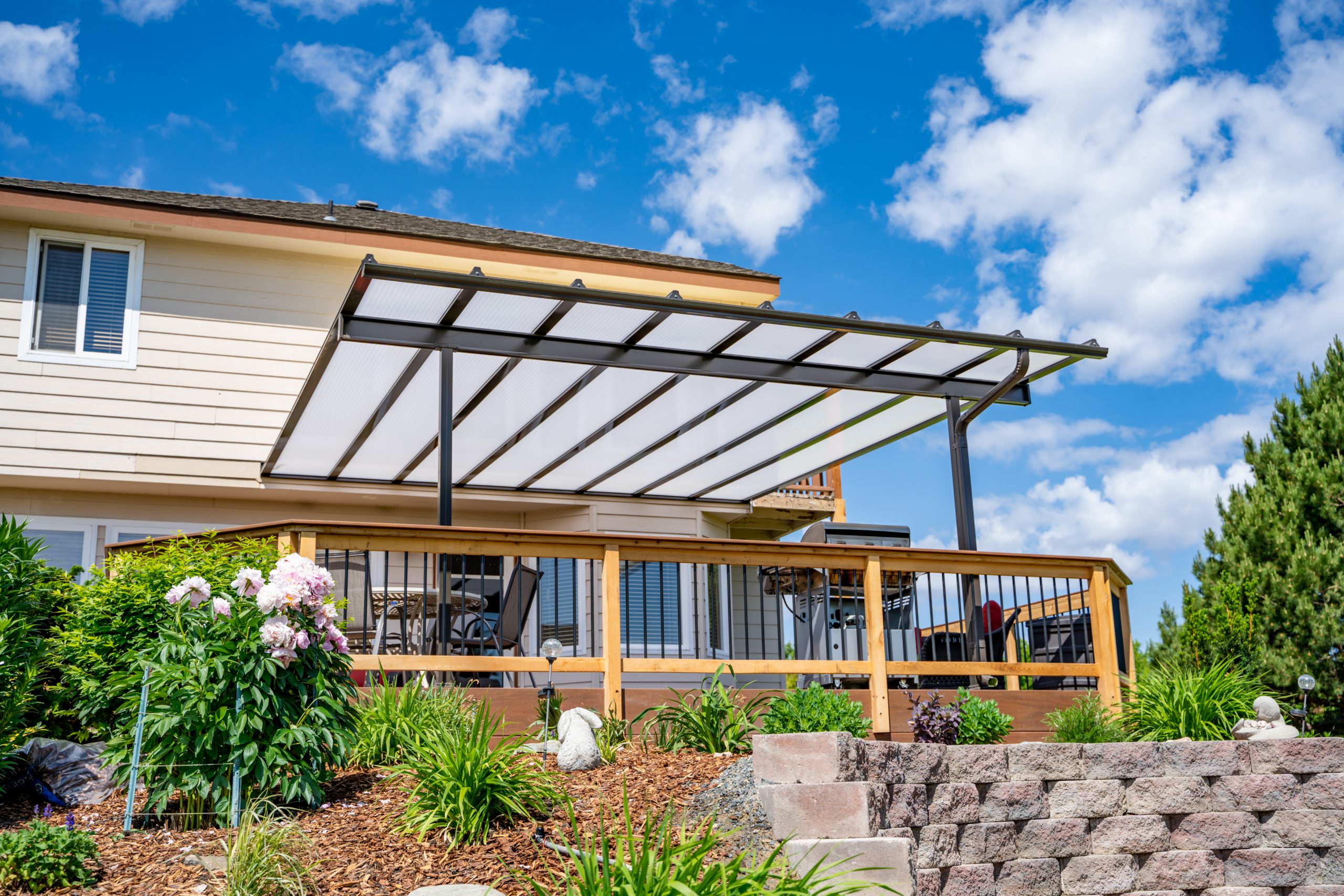
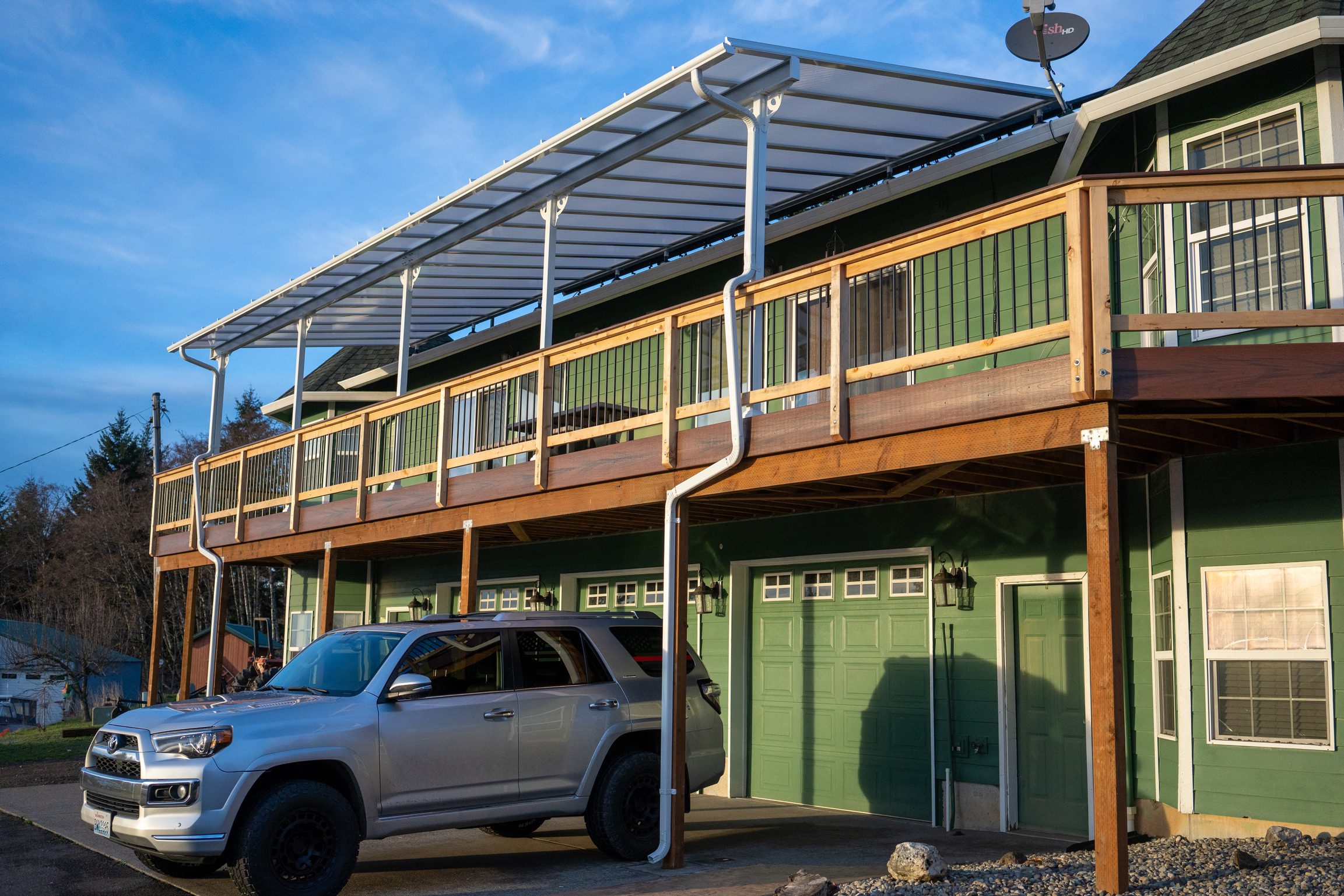
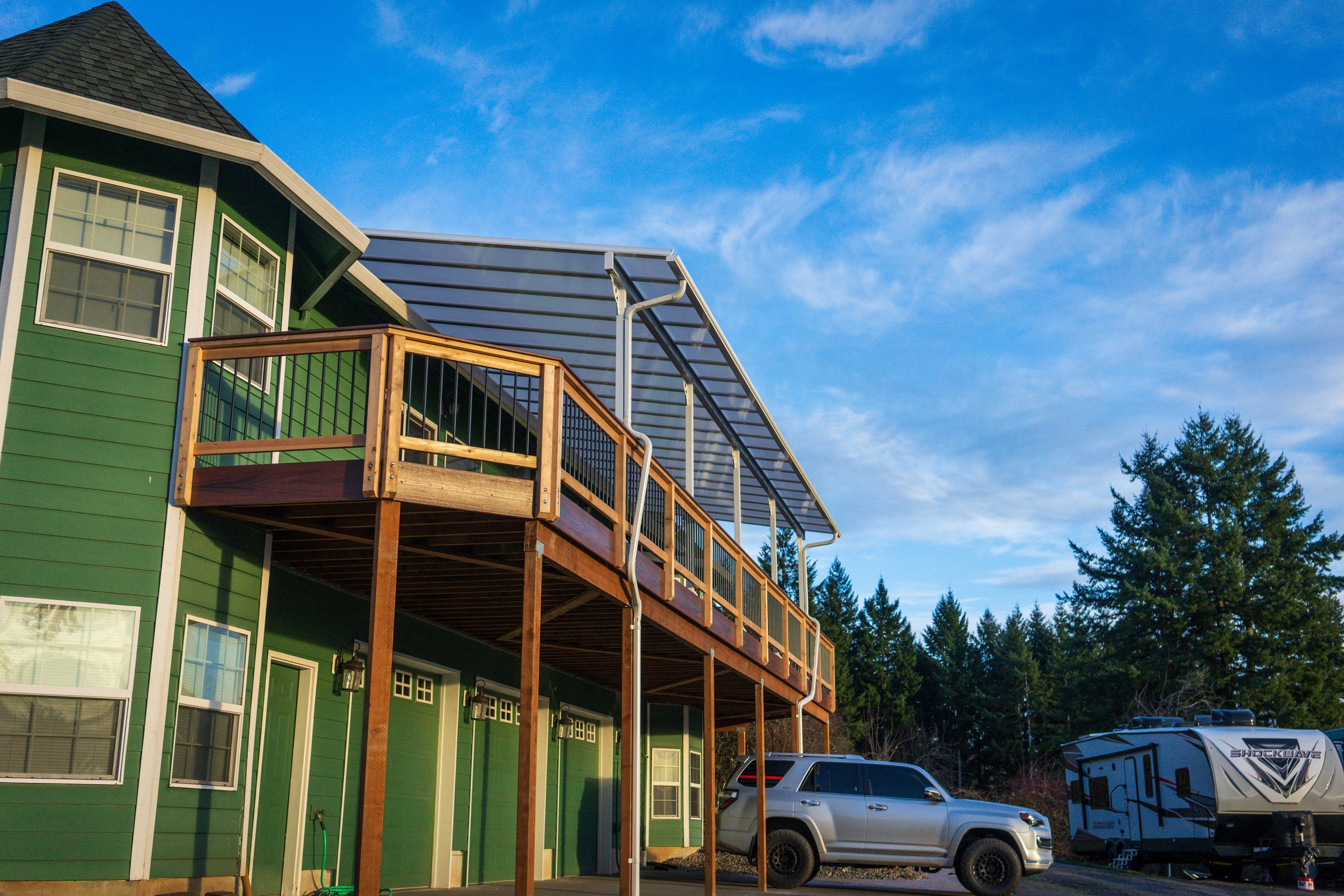
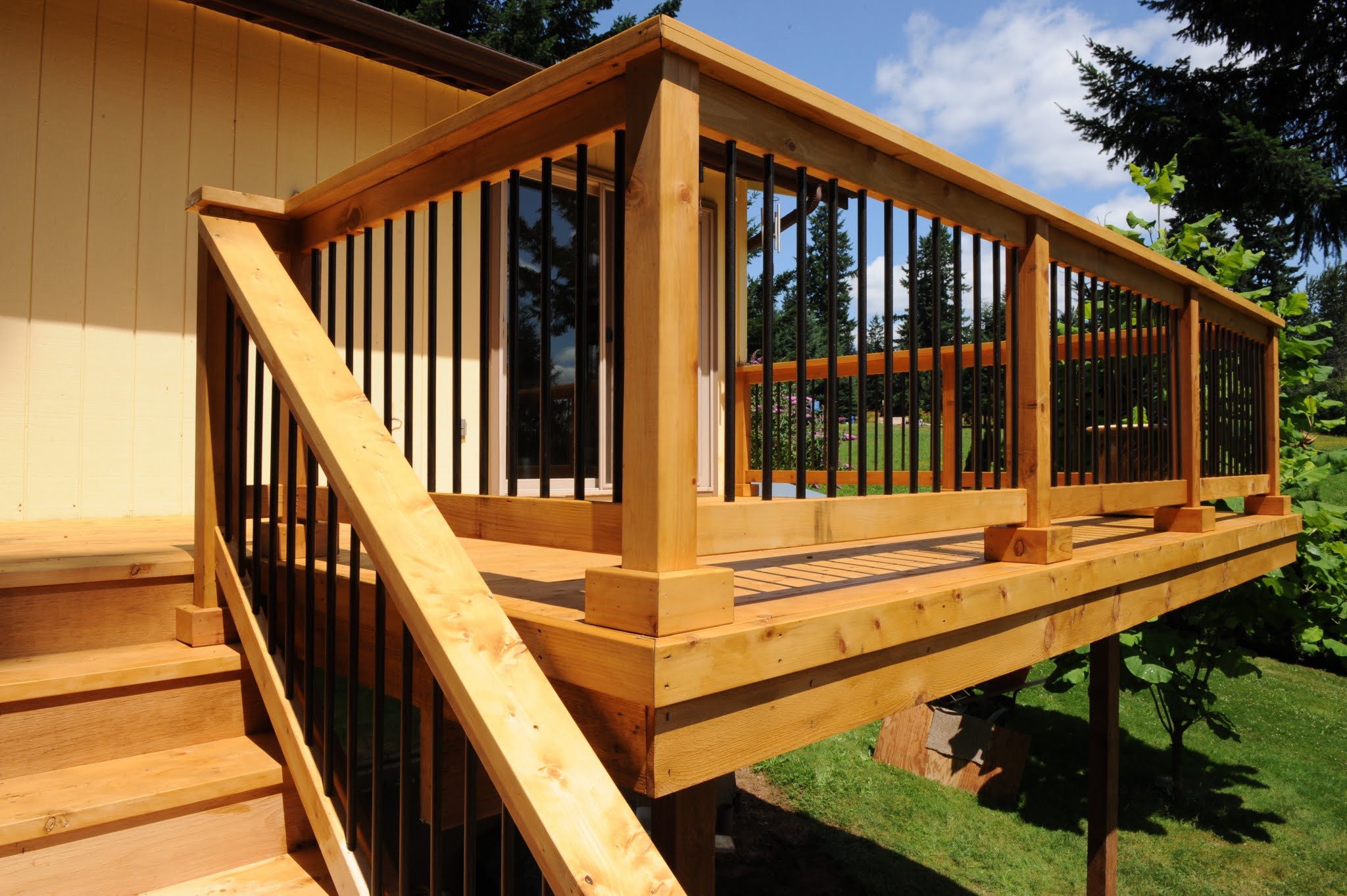
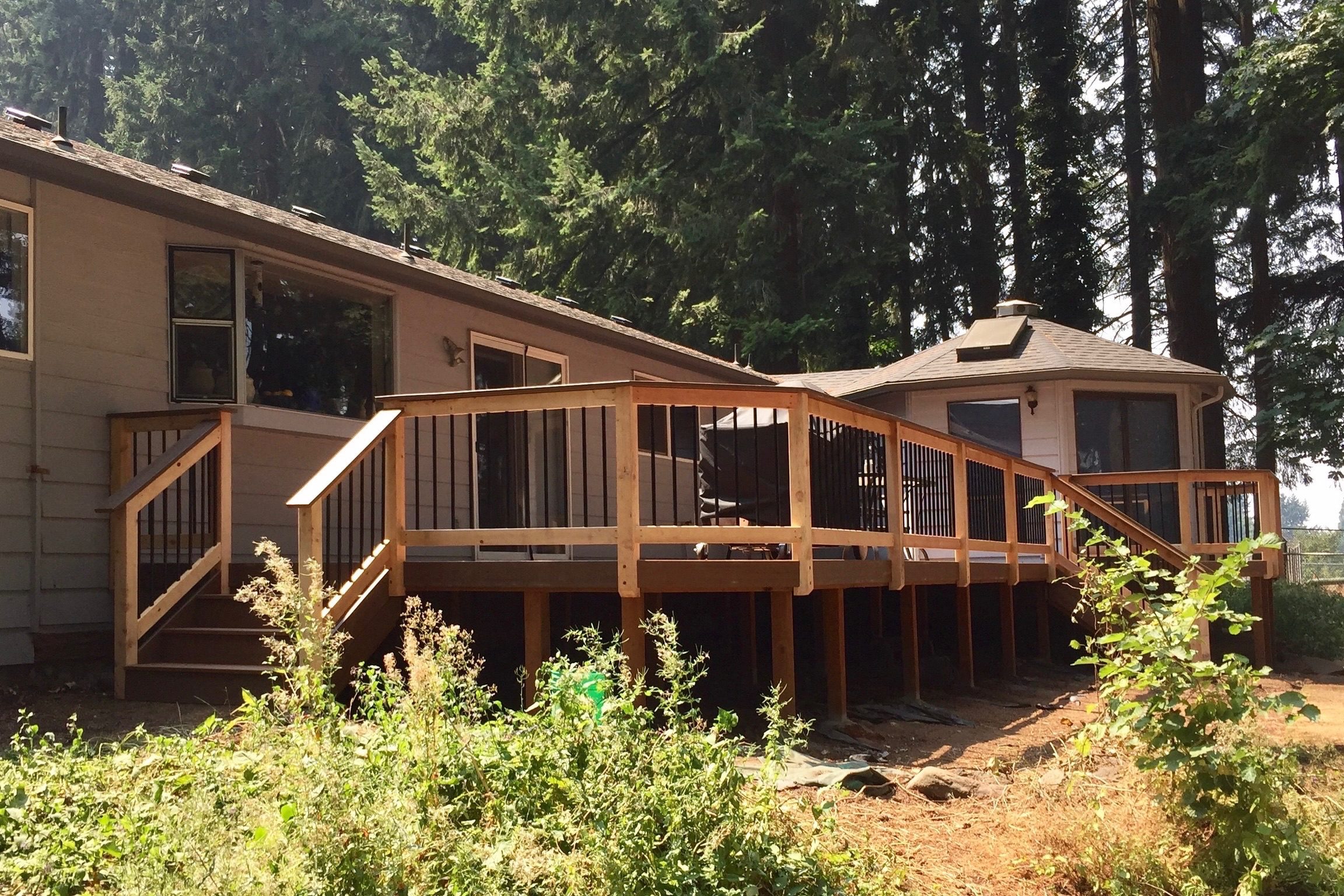
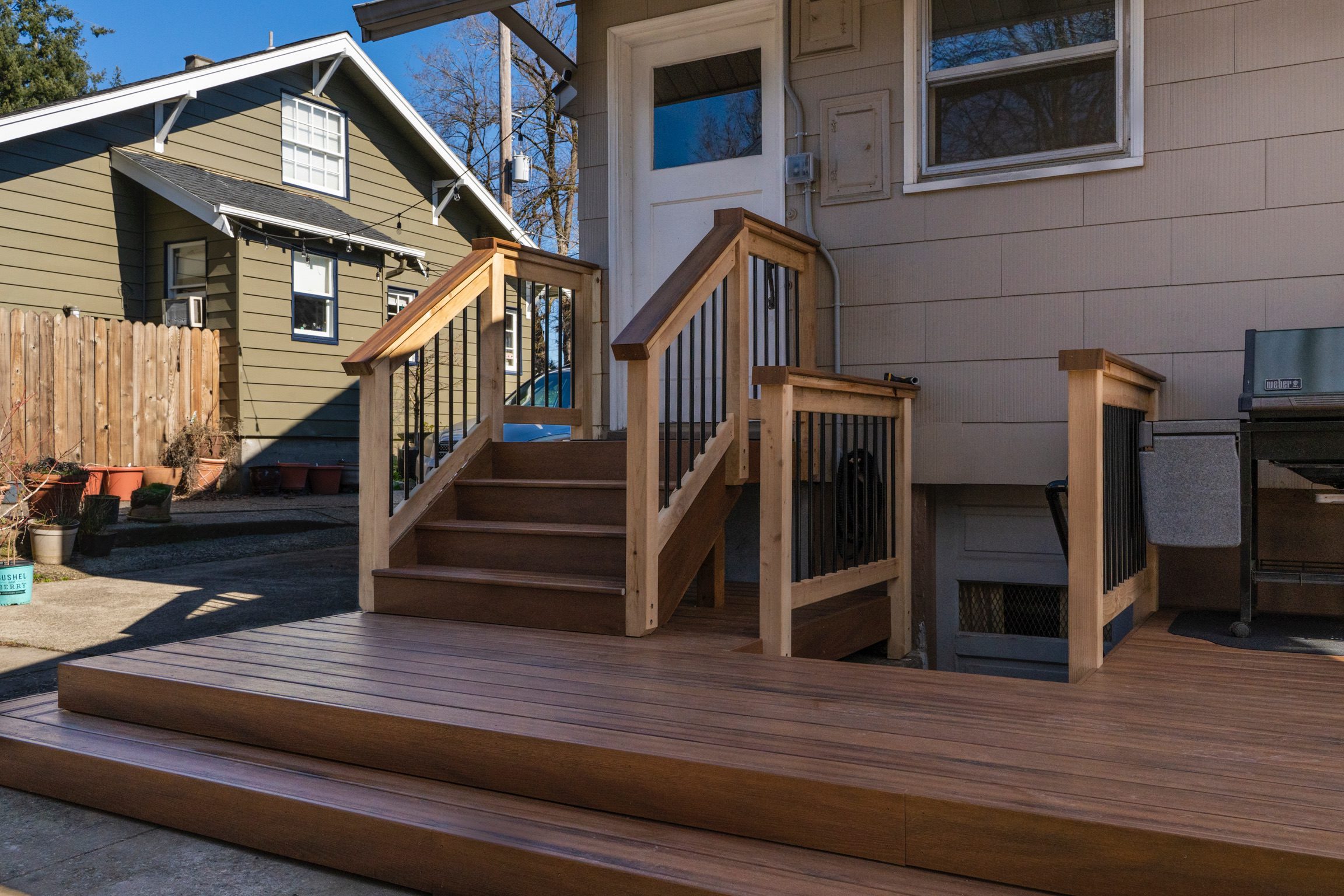
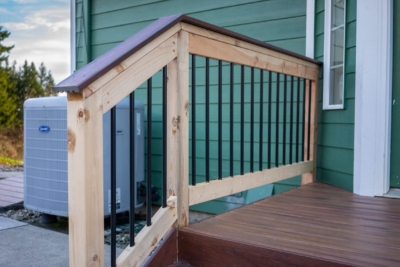
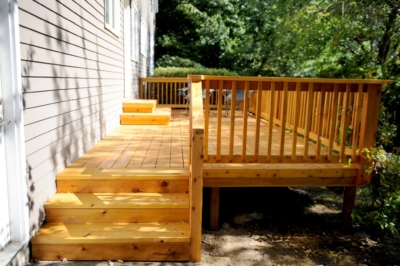
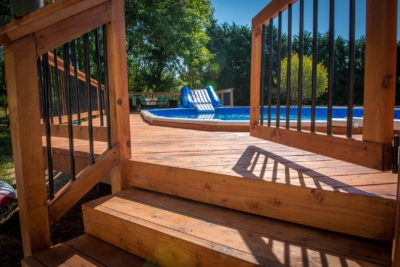
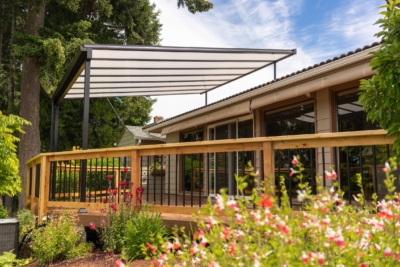
Cedar Handrail Design Examples
If you are planning a cedar handrail in Oregon & Washington, Rick’s can review layout options, and installation considerations specific to your property.



18-Month, No-Interest Financing on Approved Credit
We want you to have the BEST at an affordable price and at the right time for you! That’s why we work with lenders in the Home Services industry to develop financing options that suit your needs. This month, enjoy 18-Month, no-interest financing on all installed projects!
Cedar Deck Handrail FAQs
Below are answers to some of the most common questions homeowners ask about cedar handrail longevity, maintenance, materials, and seasonal protection — so you know what to expect and how to keep your handrail looking its best over time.
-
-
What is a cedar deck handrail?
A cedar deck handrail is a railing system made from cedar wood that is installed along the edges of a deck or along deck stairs. Cedar handrails help define the perimeter of the deck while improving safety for elevated outdoor structures. Because cedar has a natural wood grain and warm color, it is often selected for decks where homeowners want the railing to match other natural wood elements. -
Do cedar deck handrails require maintenance?
Yes. Cedar deck handrails typically benefit from periodic staining or sealing to help maintain their color and protect the wood from moisture exposure. Cedar naturally resists rot and insects, but protective finishes can help preserve the appearance of the railing over time. Some homeowners choose to allow cedar to weather naturally instead of applying a finish. -
Are cedar handrails durable for outdoor decks?
Cedar is commonly used for outdoor deck railings because it naturally resists moisture, rot, and insect damage. These characteristics make cedar a practical material for deck handrails in climates like Oregon & Southwest Washington. With proper installation and occasional maintenance, cedar handrails can perform well for many years. -
Are deck handrails required by building codes?
In many areas, building codes require deck railings or handrails for decks above a certain height. Requirements typically depend on the height of the deck and the design of stairs or walking surfaces. Local regulations determine the exact height and spacing requirements for railings. -
Why do homeowners choose cedar handrails for decks?
Homeowners often choose cedar deck handrails because they complement natural wood decks and outdoor landscapes. Cedar provides a warm, traditional appearance that works well with many residential deck designs. The material also offers natural resistance to moisture and insects, which makes it suitable for outdoor structures.
-
Request an Estimate for Cedar Handrail Installation in Oregon & Washington
If you’re considering cedar handrails for your deck in Oregon & Washington, Rick’s can review your deck layout and discuss railing options that complement your outdoor space.