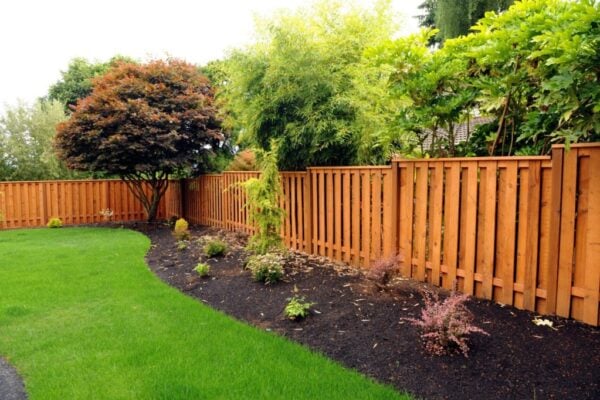
Best Fences for Windy Yards in Oregon and Washington
Here in the Pacific Northwest, we’re used to strong winds. Strong winds are part of life here, whether it’s a blustery winter storm or those infamous Columbia Gorge gusts. Winds can make a big impact on a fence, so if you’re looking to replace a fence or install a new one, consider the weather!
Not all fences are built to stand up to the elements. So, if you’re installing a new fence or replacing one that couldn’t weather the last storm, this guide will help you find the best fencing options for windy yards. We’ll cover how your home’s location can affect wind exposure, how wind damages fences, what you can do to prevent wind damage, the best types of fencing for windy yards, how to maintain them, and how to get started on a new wind-resistant fence today.
How your home’s location affects wind exposure and fence durability
Let’s start with your home’s surroundings. Are you on top of a hill? Backing up to an open field? Living in the Tri-Cities, Vancouver or elsewhere on the Columbia Gorge? These factors all mean one thing: more wind. Even your home’s direction and placement can funnel air in ways that put extra pressure on your fence.
Understanding where wind is coming from and how it moves around your yard can help you make smart decisions about fence design, materials, and post depth.
Pro tip: Try walking around your yard on a windy day to feel where the gusts hit hardest. That’s where your fence will need the most reinforcement.
How can wind damage fences?
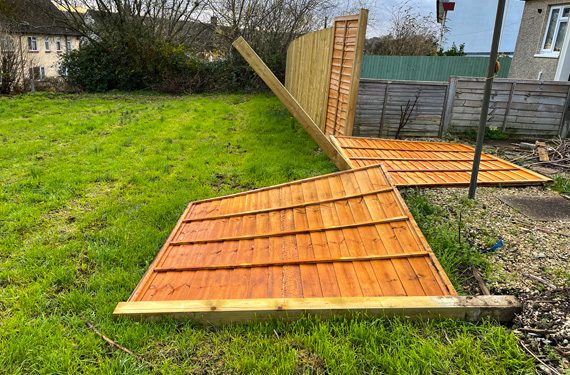
Few things make us sadder than a blown-over fence. When wind hits, a few factors make a fence more likely to get damaged.
- Weak fence posts that can’t anchor the structure
- Solid panel designs that act like sails and catch the wind
- Lightweight or brittle materials that bend or break
The good news? These issues are totally avoidable with the right planning and installation.
How to make your fence more wind-resistant
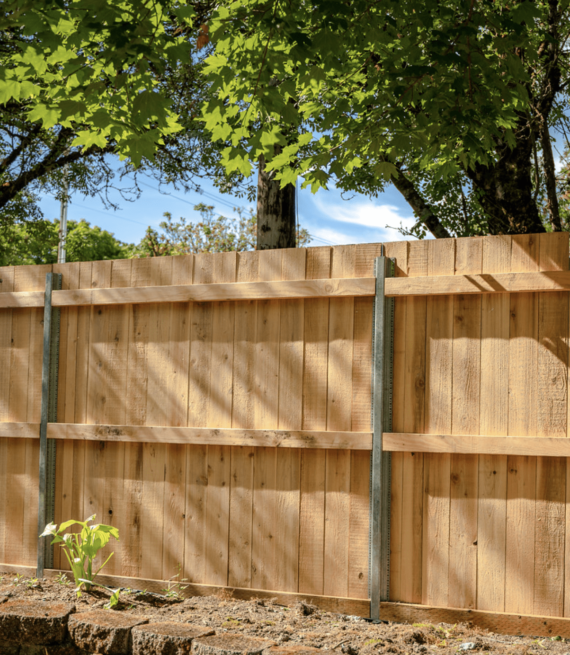
Use stronger fence posts for wind-resistant installation
If you are in a windy area like Tri-Cities, the industry-standard 4×4 pressure-treated post may not do the trick. Here are a few improvement options:
- 5×5 pressure-treated posts: Extra thickness = extra strength.
- Black steel posts: Virtually indestructible and great for long-term durability.
- Deeper post setting: Go at least 3 feet deep (versus the standard 2 feet) to give your fence a sturdier foundation.
Pro tip: Use concrete to set your posts for maximum wind resistance.
Design your Oregon or Washington fence for high-wind areas
If your fence is constructed without gaps, the fence essentially acts as a big sail. A good gust can pick it up, and there goes your fence. An experienced fence installer will balance your privacy needs with gaps to let wind flow through.
Overlapping boards or spaced pickets allow wind to pass through while still offering coverage. And don’t forget: straight, level installation is crucial. Even small misalignments can weaken your fence over time.
Best fence materials for windy climates
Not all fence materials are created equal. If you’re looking for a wind-proof fence – or one that is as close to wind-proof as you can get – then you may need to consider moving away from wooden options.
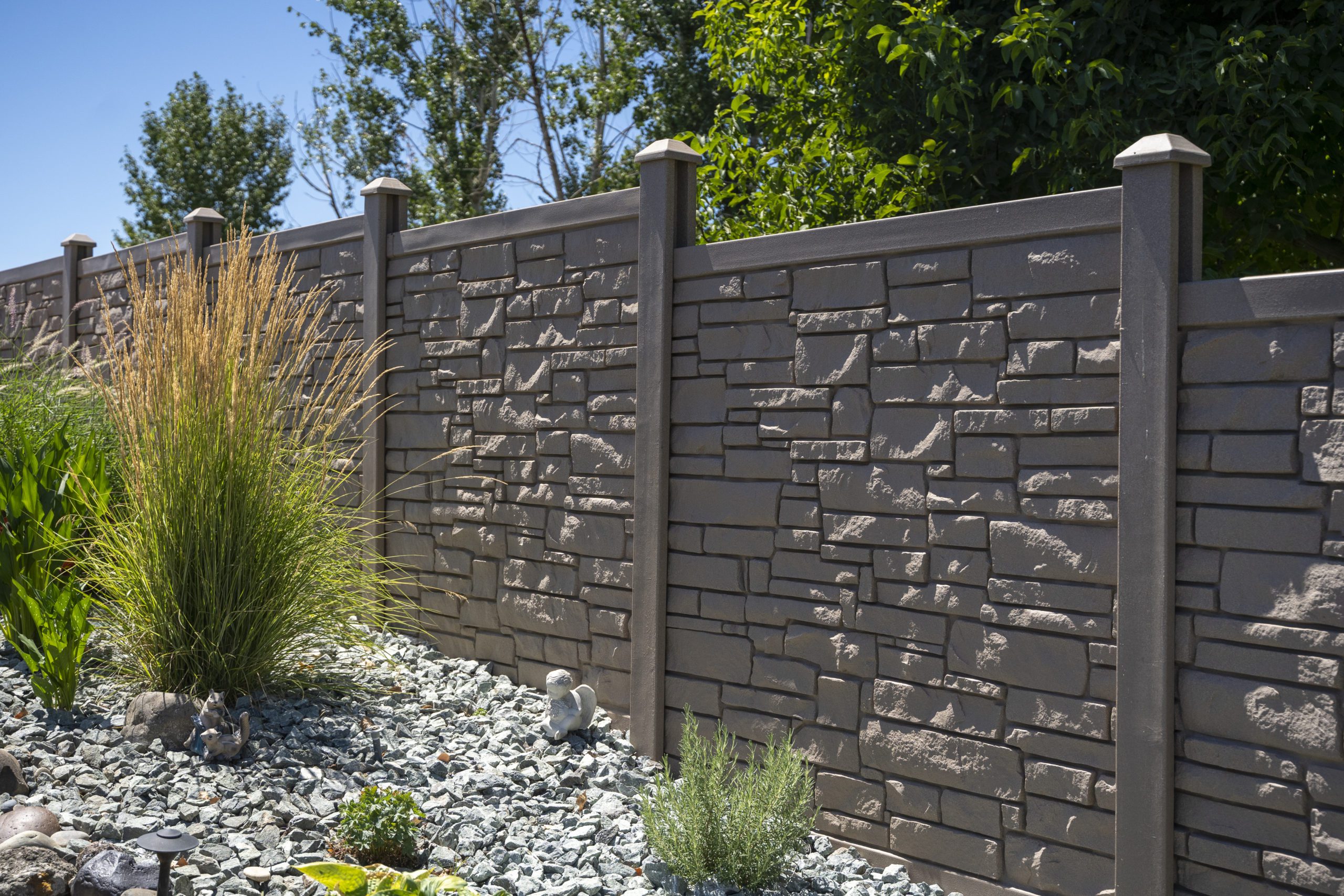
Top-rated fence systems for high winds: Simulated Wood and Rock
Simulated rock and simulated wood fences are made to handle extreme weather in areas like Tri-Cities and Gresham without losing structural integrity or looks.
Here’s why we love these systems:
- Wind-tested up to 130 mph
- Low maintenance
- Natural cedar or rock-look finish
- Resists graffiti, paint, and general wear and tear
- Available in four natural tones
- Backed by a lifetime warranty
- Proudly made in the USA
These fences look like natural wood or stone but offer unbeatable strength. And unlike other materials, they won’t crack, fade, or give in to high winds.
Wind-resistant fence installation and maintenance tips
Still dreaming of a cedar fence? You can make it work—with a few smart upgrades:
- Use 5×5 or steel posts
- Set posts at least 3 feet deep (go deeper in extra-windy areas)
- Opt for overlapping or spaced board designs
- Reinforce corners and gates
A good contractor will help you balance looks, function, and airflow to build something beautiful and tough.
How to maintain your fence in windy weather
Even the sturdiest fence needs some TLC. Here’s how to keep yours in top shape:
- Keep your fence clean: If you remove any weeds or other debris from the fence posts and base of the panels, you can prevent rot. A clean fence means better drainage, which keeps your fence dry.
- Stay on top of repairs: As your fence ages, you may experience some minor issues that require repair. Tackling small problems when they arise will prevent big ones down the road. Remember, your Rick’s Fencing installed fence likely comes with a warranty, so contact your local Rick’s representative for more information.
- Apply a preservative: As your boards dry and weather, they can become brittle and more prone to cracking and splitting, adding to weather-related issues. An oil-based stain product for outdoor use can help keep your boards looking their best and stronger as they age.
Ready to install a fence that can withstand high winds?
Contact Rick’s today for a free estimate or call the nearest location to learn more about the simulated wood and simulated rock fence systems and our other fencing options. No matter your concern, our friendly pros will assess your unique situation and provide recommendations that meet your needs and budget. We take pride in our attention to detail and personalized service!