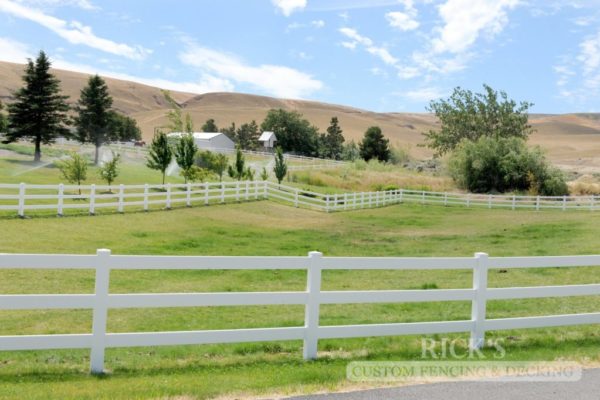
PIPE RAIL PASTURE FENCE INSTALLATION IN OREGON & WASHINGTON
Rick’s Custom Fencing & Decking installs pipe rail pasture fences for properties throughout Oregon & Washington. Pipe rail fencing uses steel rails and posts to create a strong, open boundary that works well for larger residential properties, acreage homes, and pasture areas.
Many property owners choose pipe rail fencing when they need a fence that provides durability and clear property definition without blocking views across the land. The horizontal rail layout keeps the landscape visually open while creating a clearly defined perimeter.
Pipe rail pasture fencing is commonly used on rural properties, farm fencing applications, larger residential lots, and areas where strength and long-term durability are important.
Start Your Project Today!
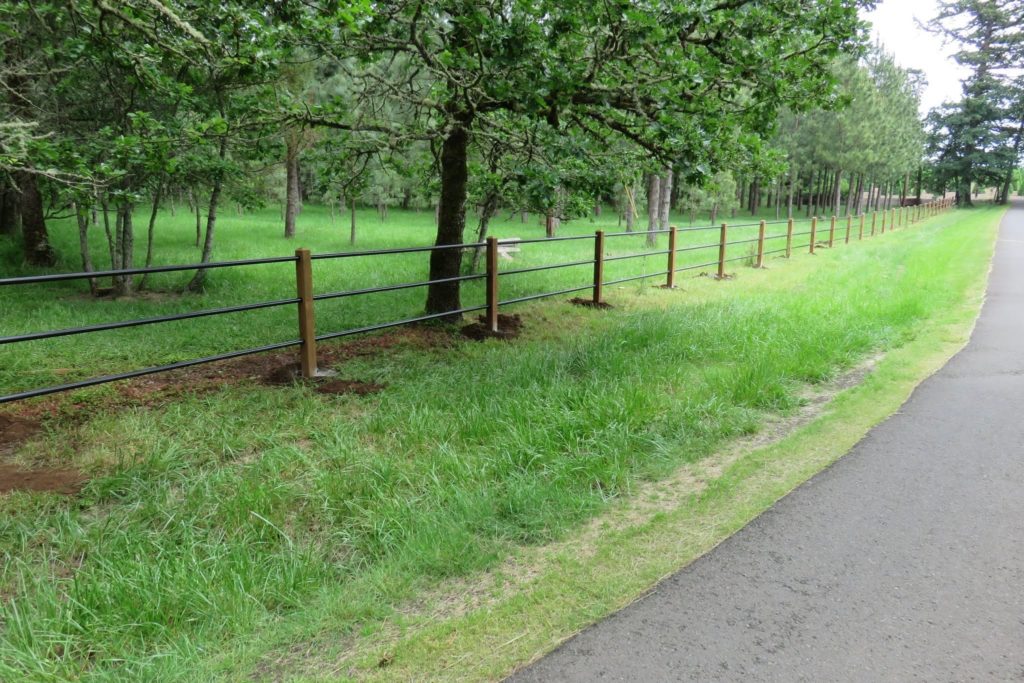
What Defines a Pipe Rail Pasture Fence
A pipe rail pasture fence uses steel pipe rails attached to metal posts to form a horizontal rail fence structure. The rails typically run between evenly spaced posts, creating a simple and durable fence line.
Unlike wood rail fencing, pipe rail fencing relies on steel components designed for strength and long-term outdoor performance. The open rail layout maintains visibility across the property while still defining the boundary.
Because of this structure, pipe rail fencing is often used in pasture settings, acreage properties, and areas where durability and longevity are priorities.
When Property Owners Choose Pipe Rail Fencing for Pasture and Acreage
Pipe rail fencing is commonly selected for properties where a strong and long-lasting pasture fence installation is needed while maintaining an open landscape.
Typical uses include:
- Defining property boundaries on acreage homes
- Enclosing pasture areas
- Supporting farm fencing for livestock areas
- Outlining driveways or access roads
- Creating durable boundaries for larger residential properties
The steel rail structure provides a dependable fence system while keeping sightlines open across the property.
Pipe Rail Pasture Fence Layout Options
Pipe rail fencing can be installed in several configurations depending on the property and the function of the fence. These options allow pipe rail fencing to adapt to a variety of property layouts and uses.
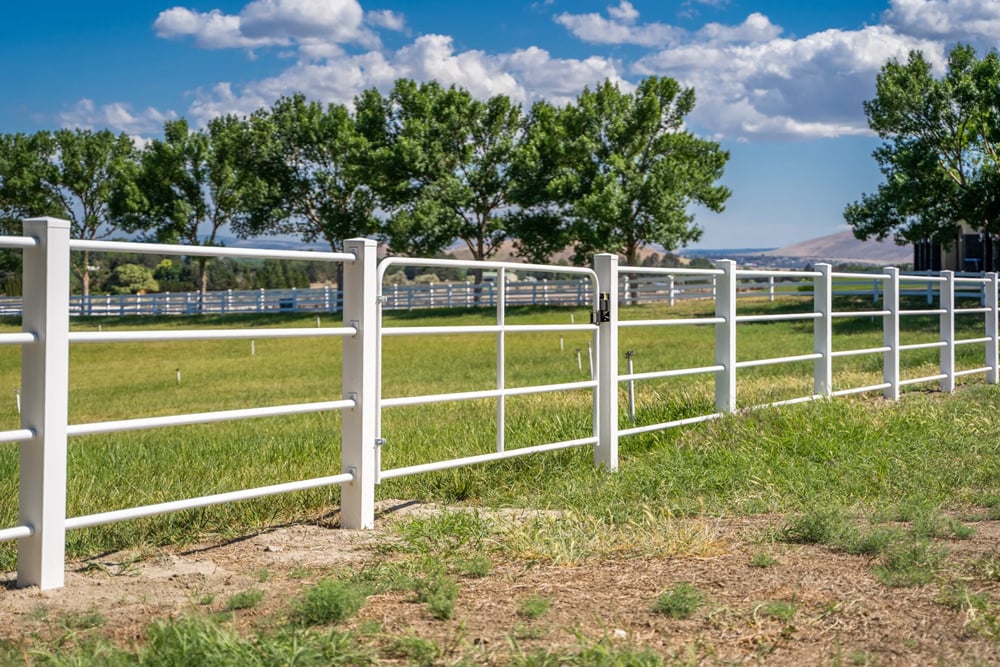
2-Rail and 3-Rail
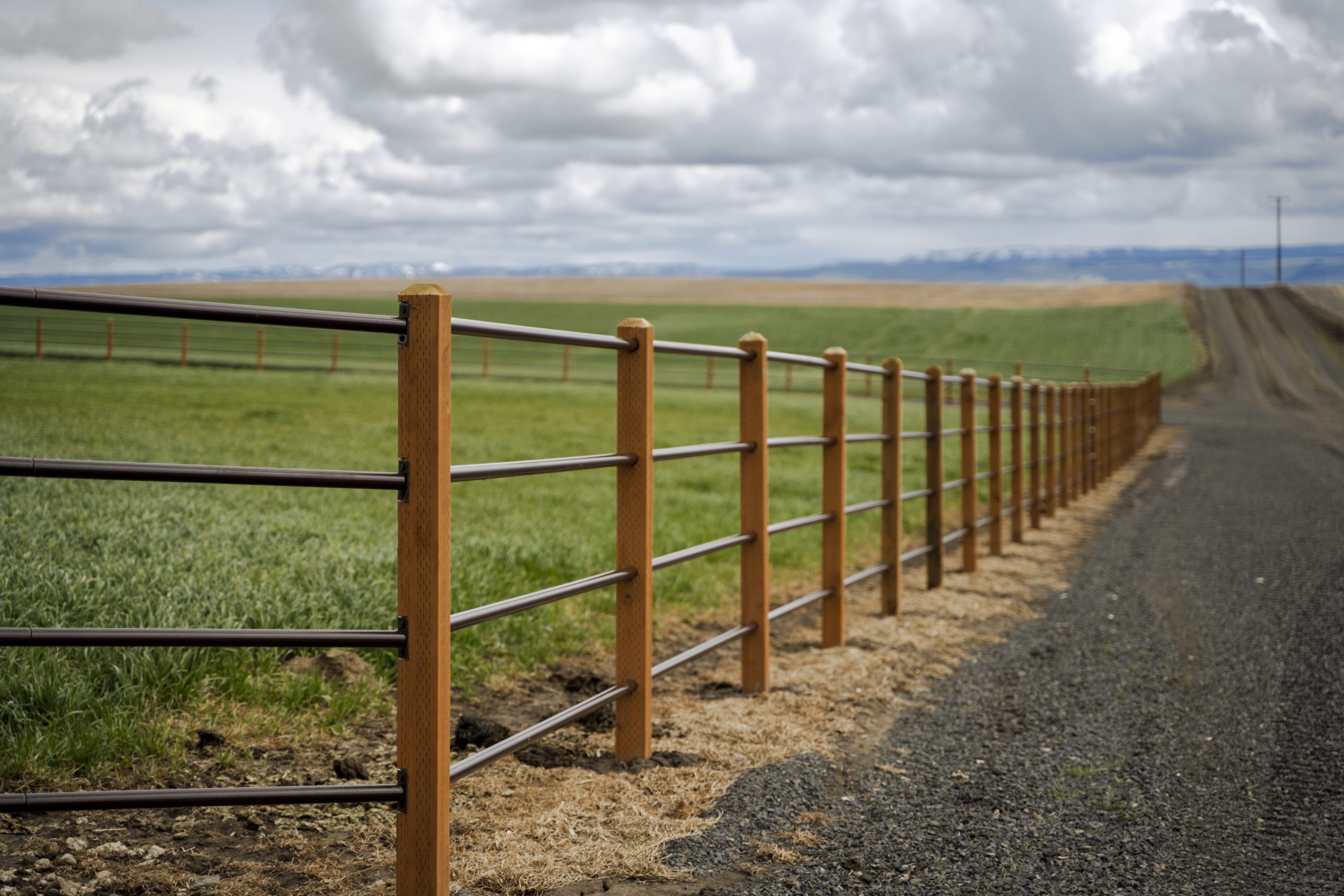
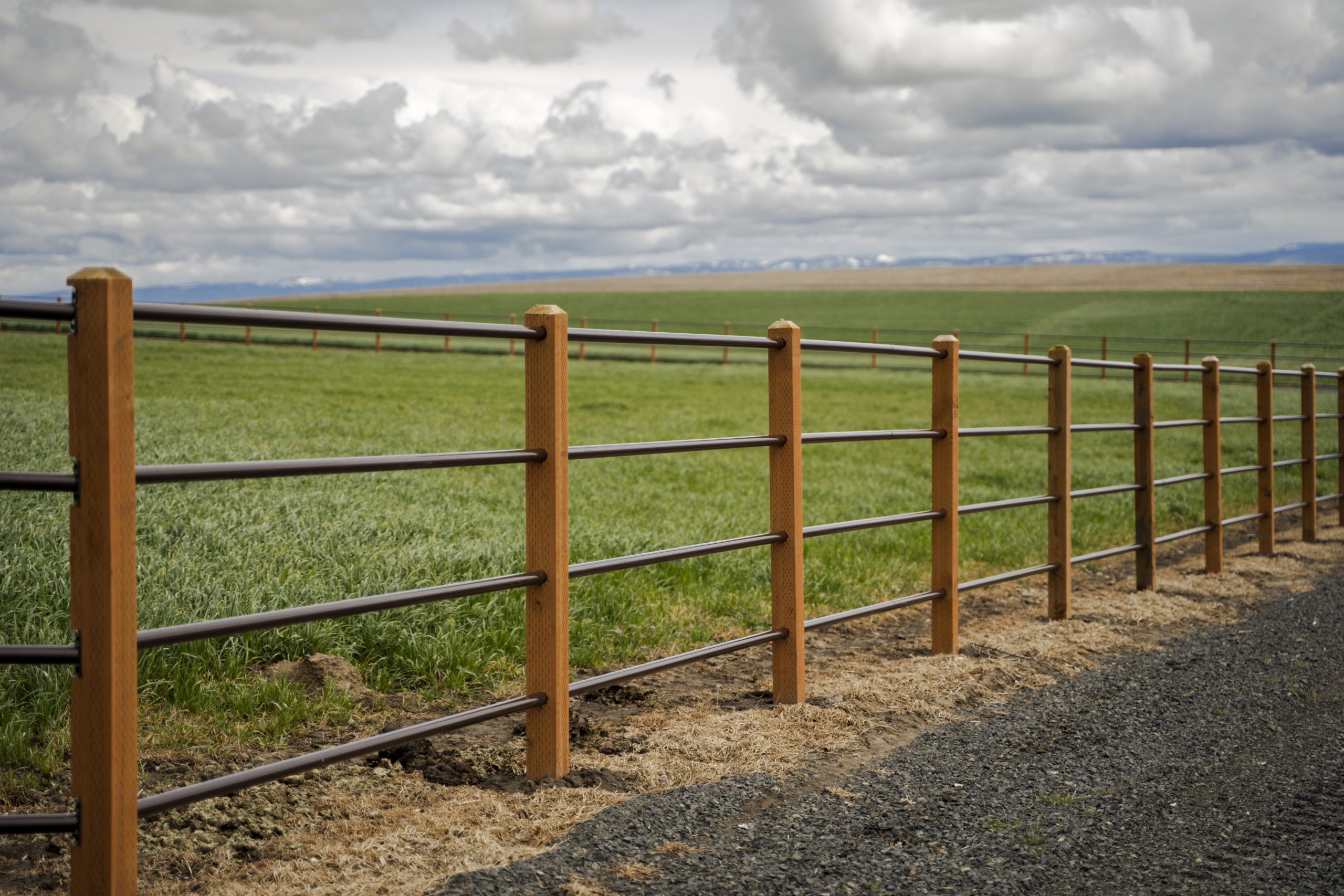
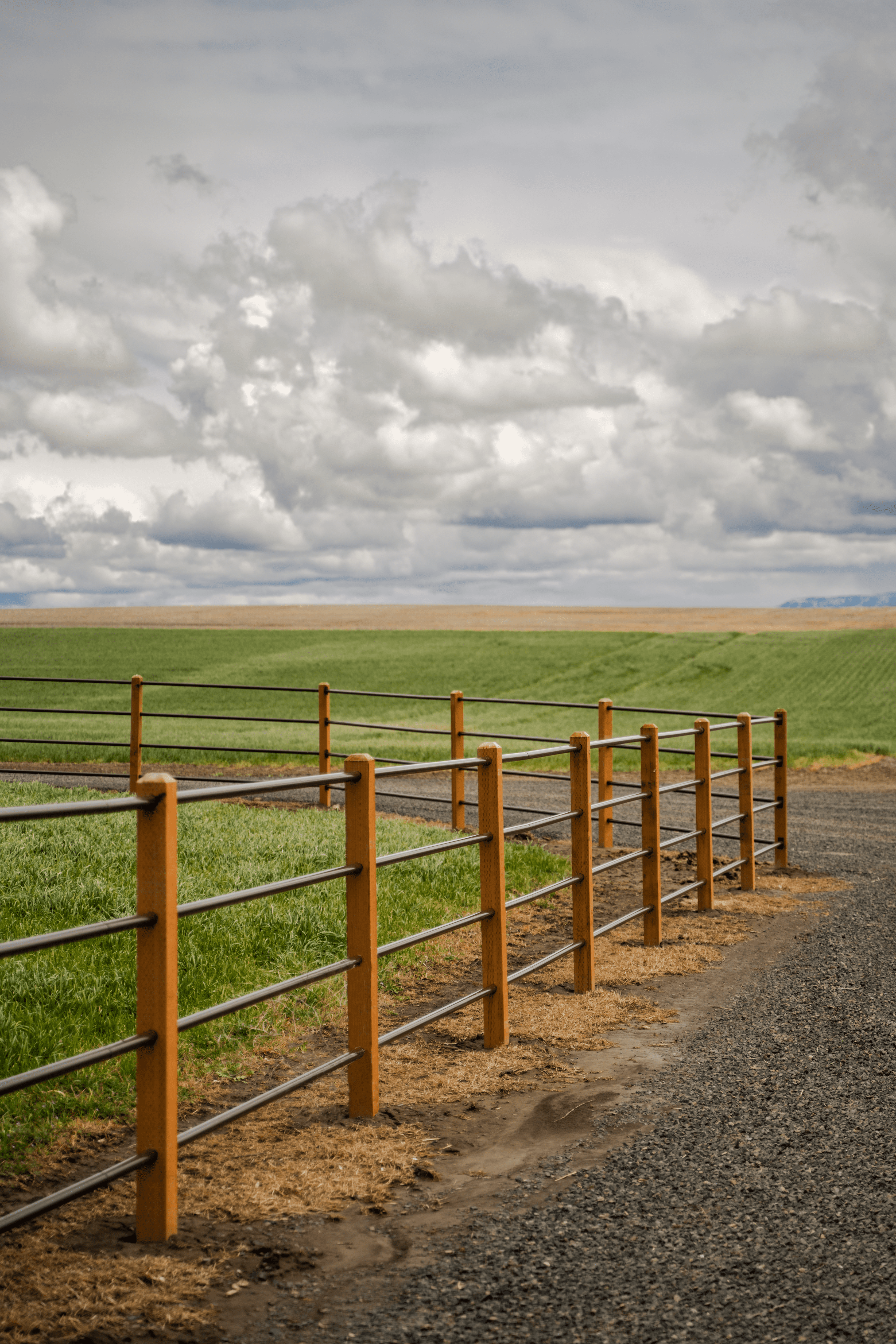
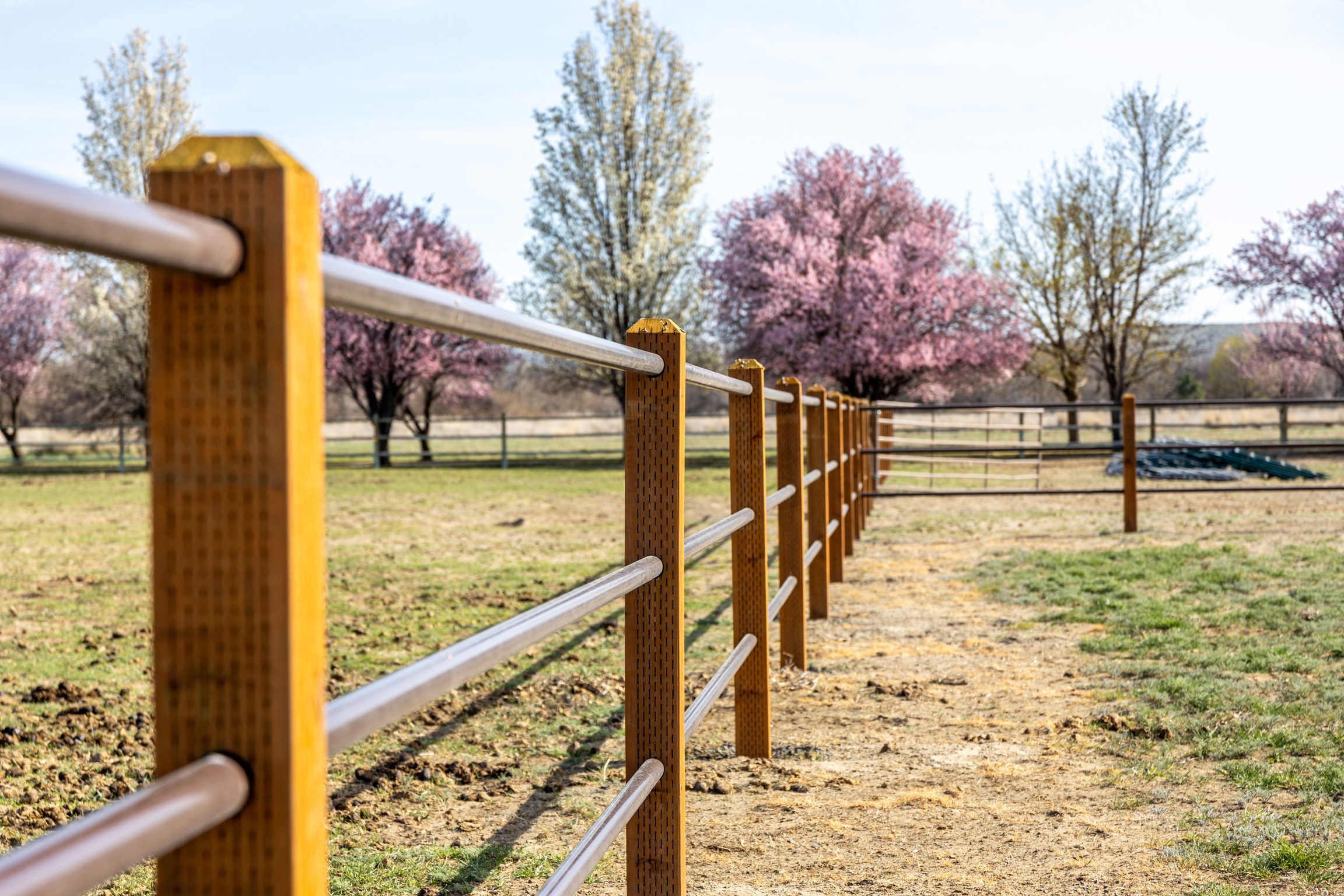
Most pipe rail pasture fences use 2-Rail or 3-Rail configurations, with horizontal steel rails running between evenly spaced posts. The number of rails influences both the visual style and the overall height of the fence.
These layouts are commonly used for defining property boundaries, outlining pasture areas, and maintaining open visibility across acreage properties.
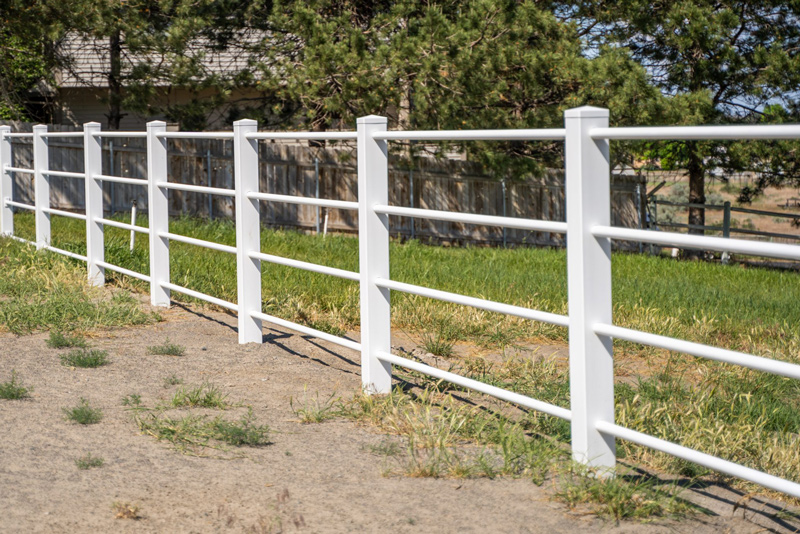
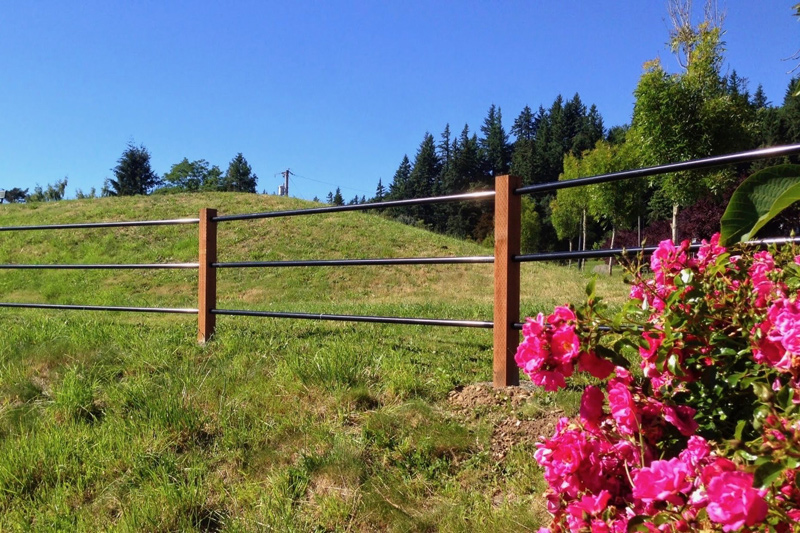
4-Rail Pipe Rail
Some installations use a 4-Rail configuration to create a taller and more structured fence line. This layout can provide additional containment for animals while maintaining the open appearance that pasture rail fencing is known for.
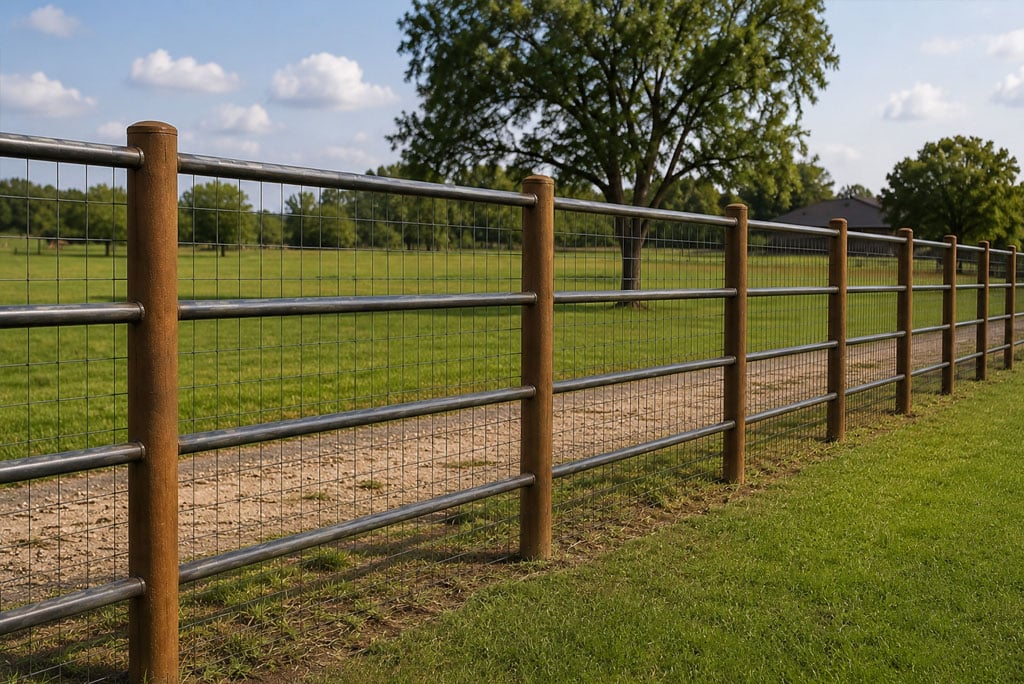
Wire-Backed Pipe Rail
In some installations, wire mesh may be attached behind the rails to help contain animals or pets while maintaining the open pasture rail appearance.
18-Month, No-Interest Financing on Approved Credit
We want you to have the BEST at an affordable price and at the right time for you! That’s why we work with lenders in the Home Services industry to develop financing options that suit your needs. This month, enjoy 18-Month, no-interest financing on all installed projects!
Planning a Pipe Rail Pasture Fence Installation
Planning the fence layout helps make certain the installation fits the property correctly.
Before installation begins, we review:
- Property boundaries and fence layout
- Rail height and number of rails
- Gate locations and access points
- Terrain and grade changes across the property
Because pasture rail fences often extend across long sections of property line, careful post placement and rail alignment help maintain a straight and consistent fence line.
Rick’s crews install pipe rail pasture fences with attention to spacing, alignment, and terrain changes so the finished fence integrates naturally with the landscape.
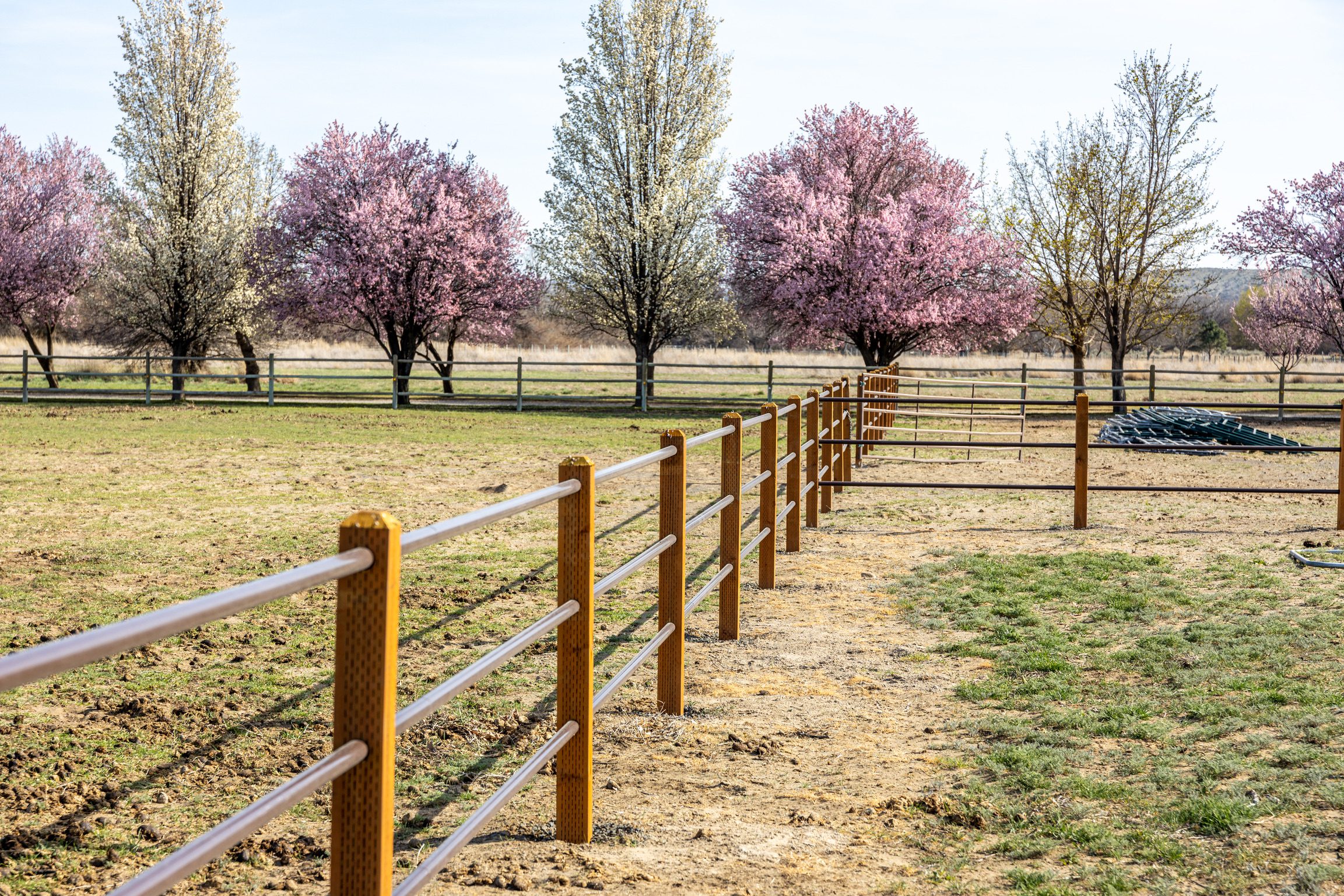
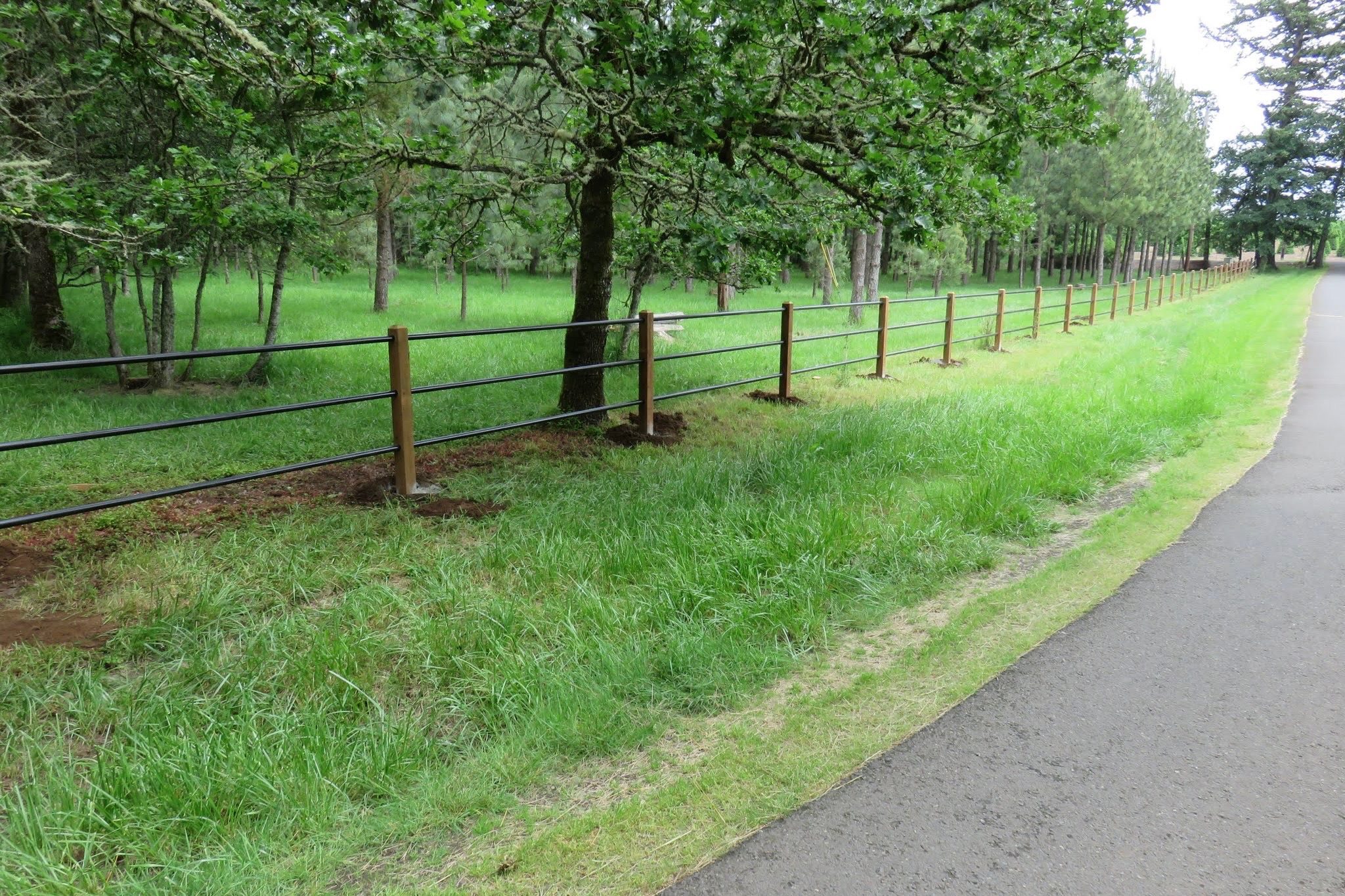
Pipe Rail Pasture Fence Design Examples
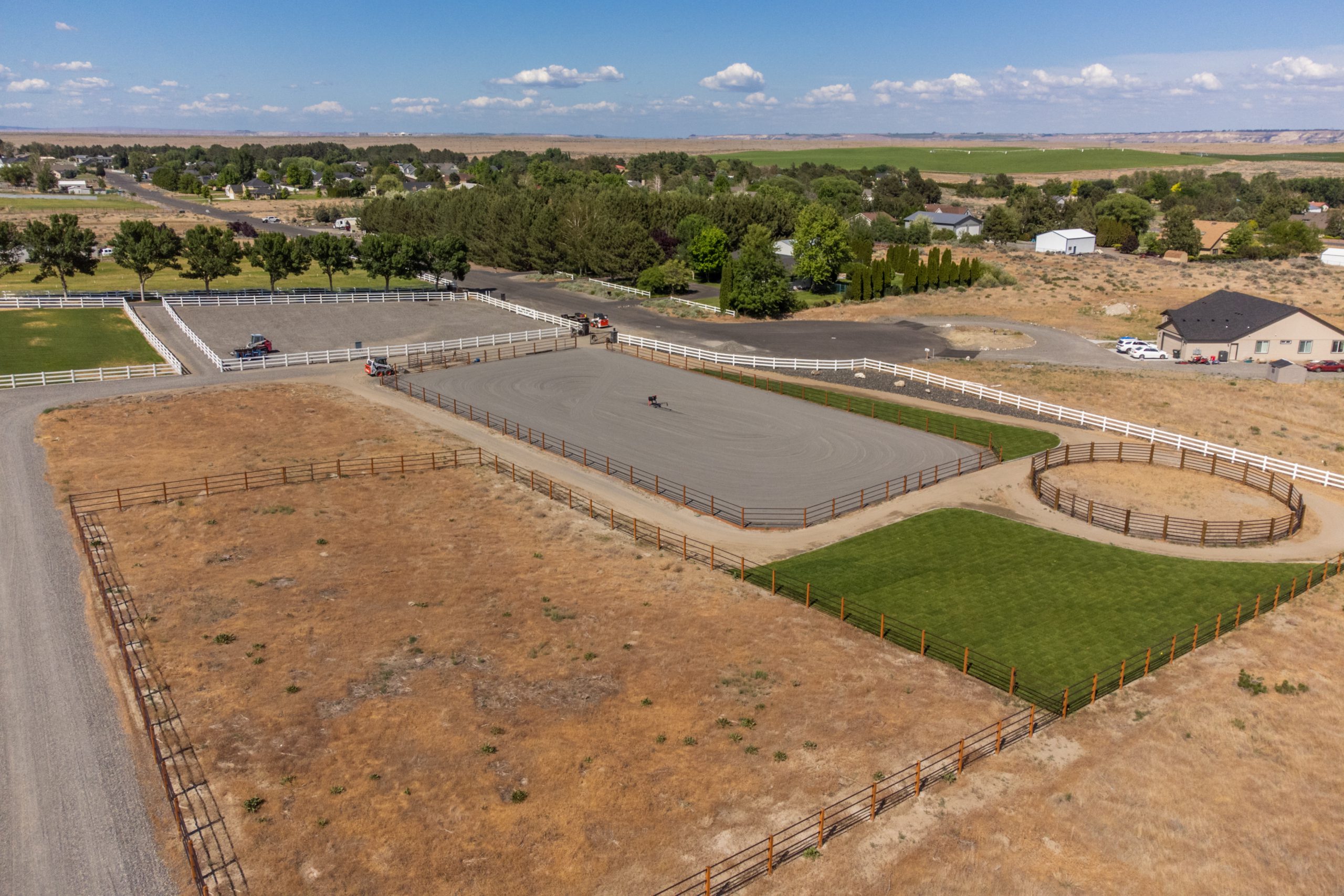
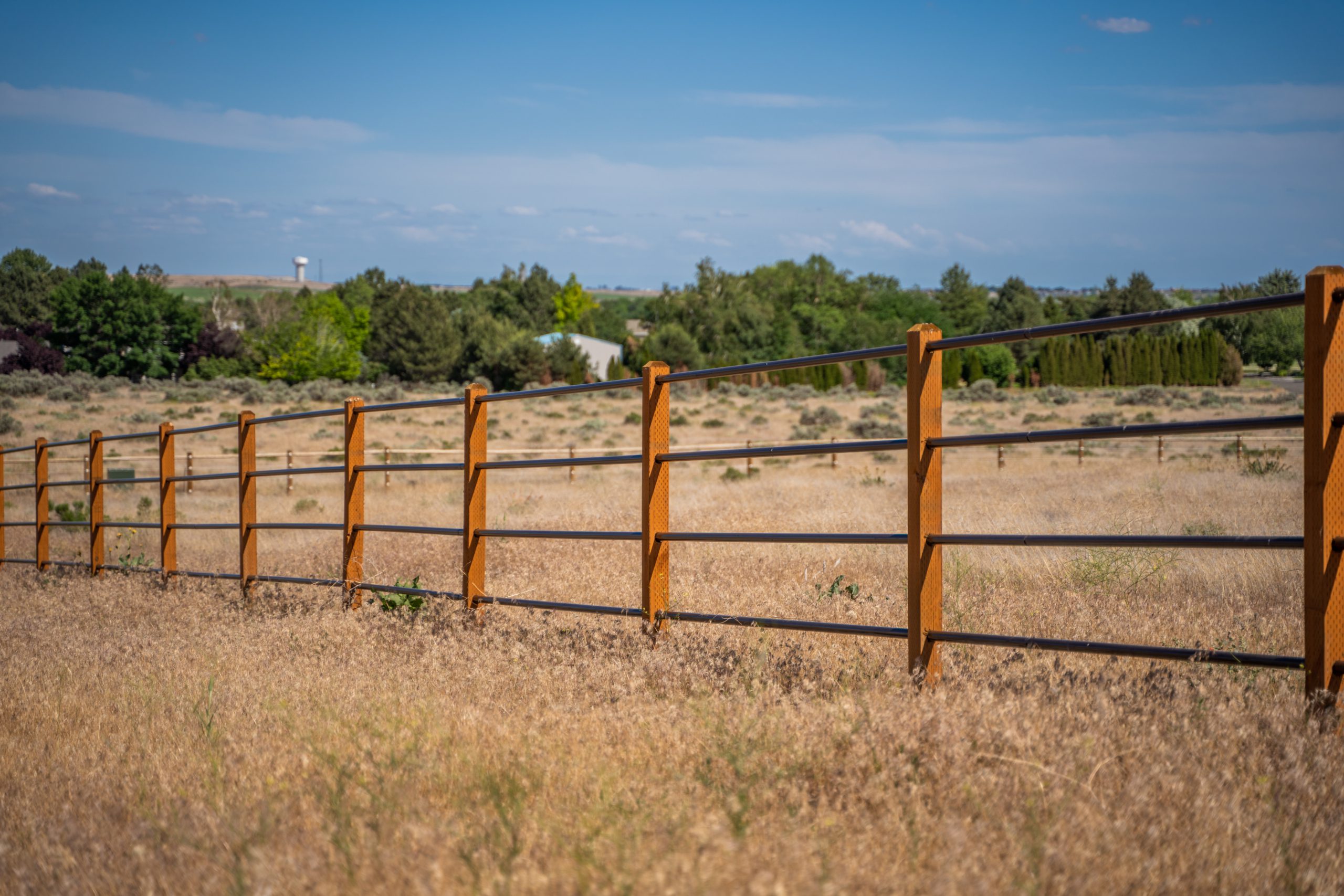
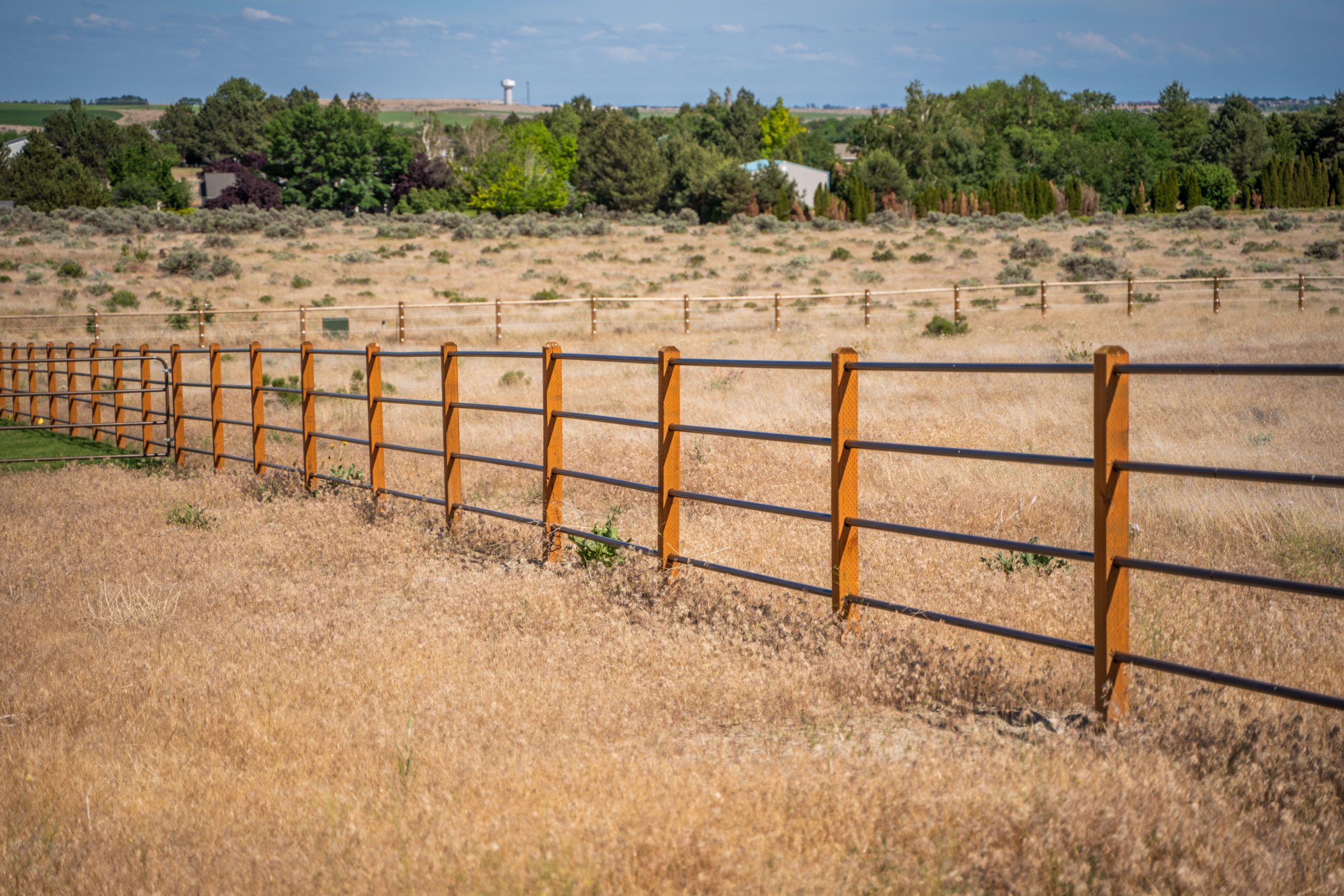
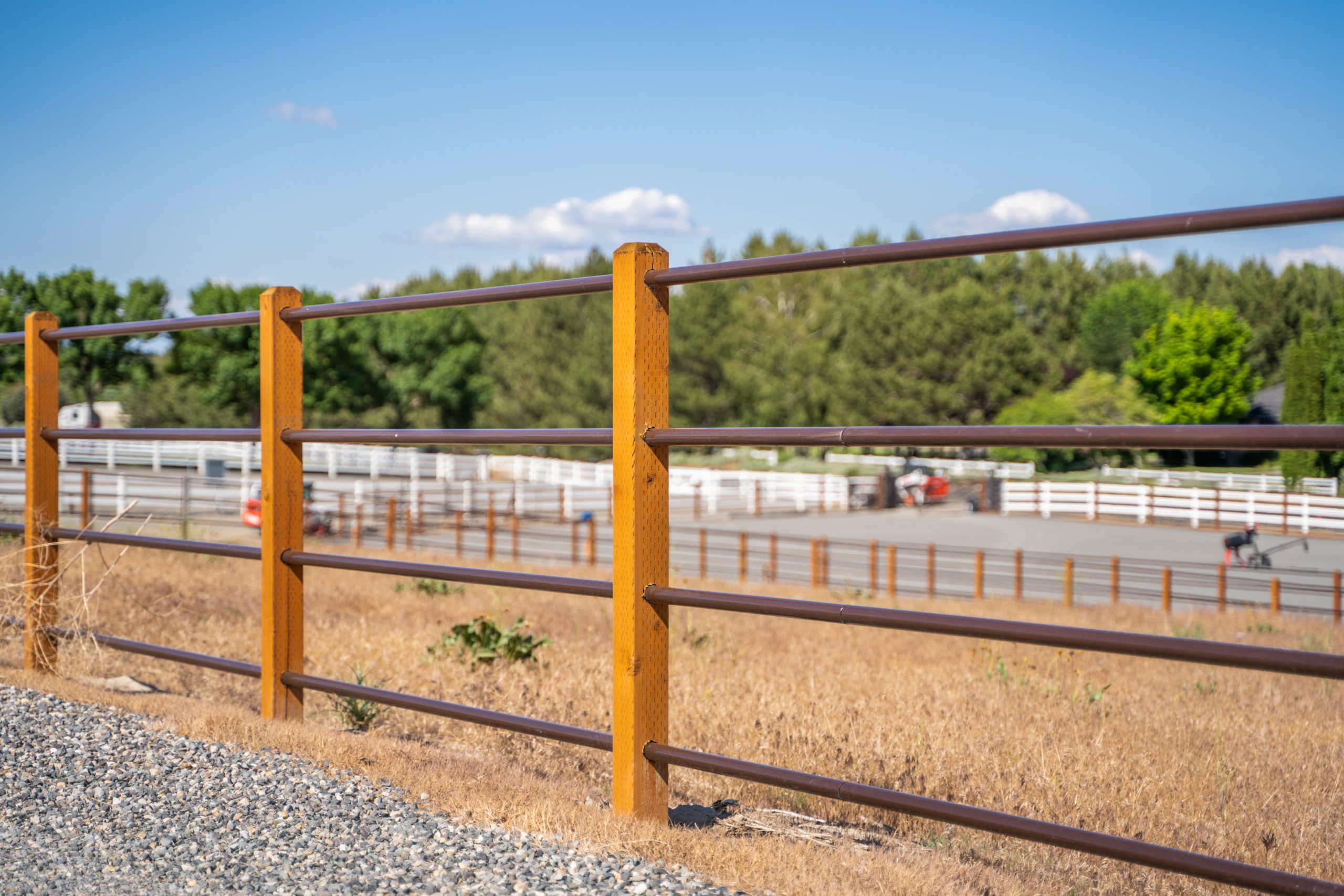
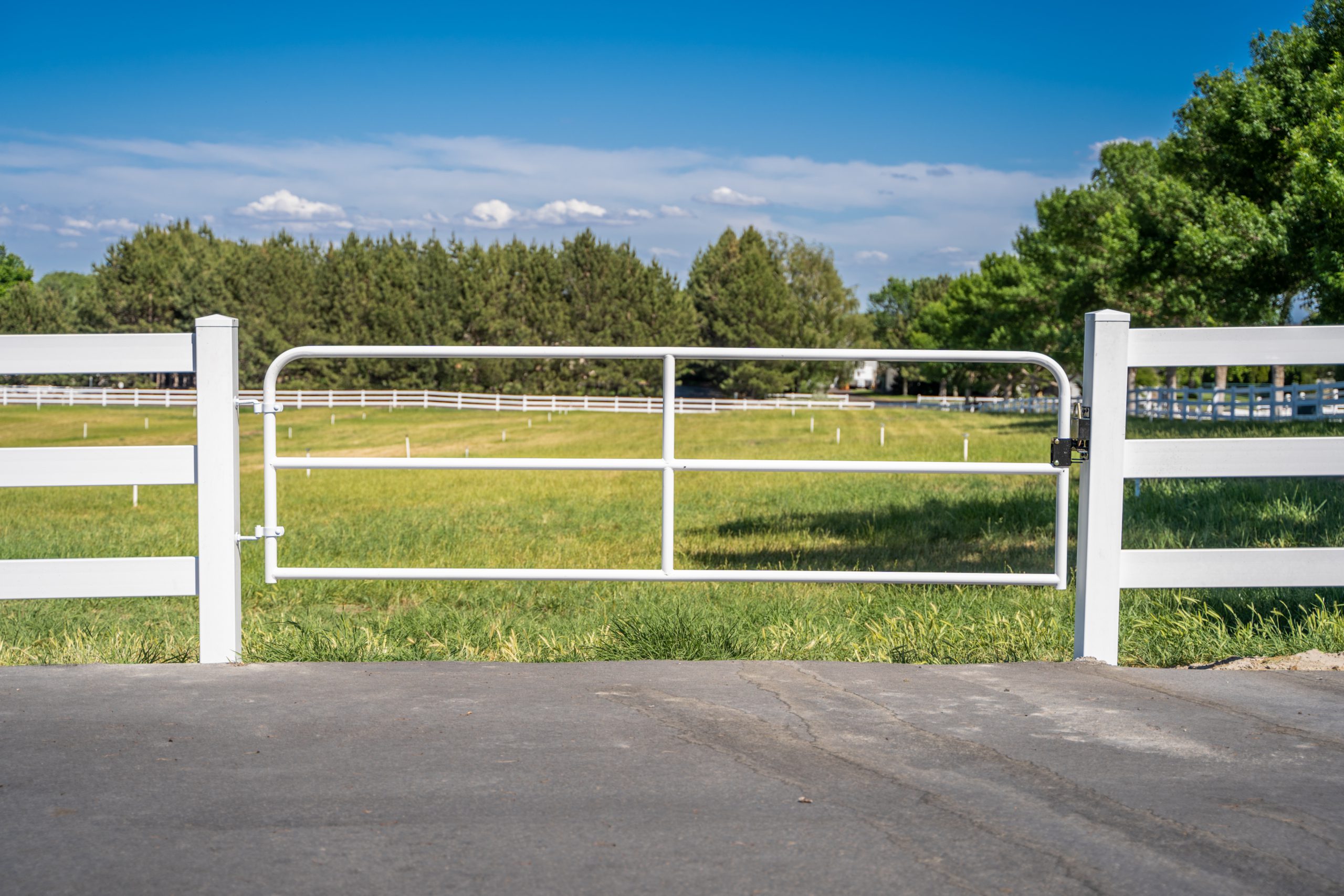
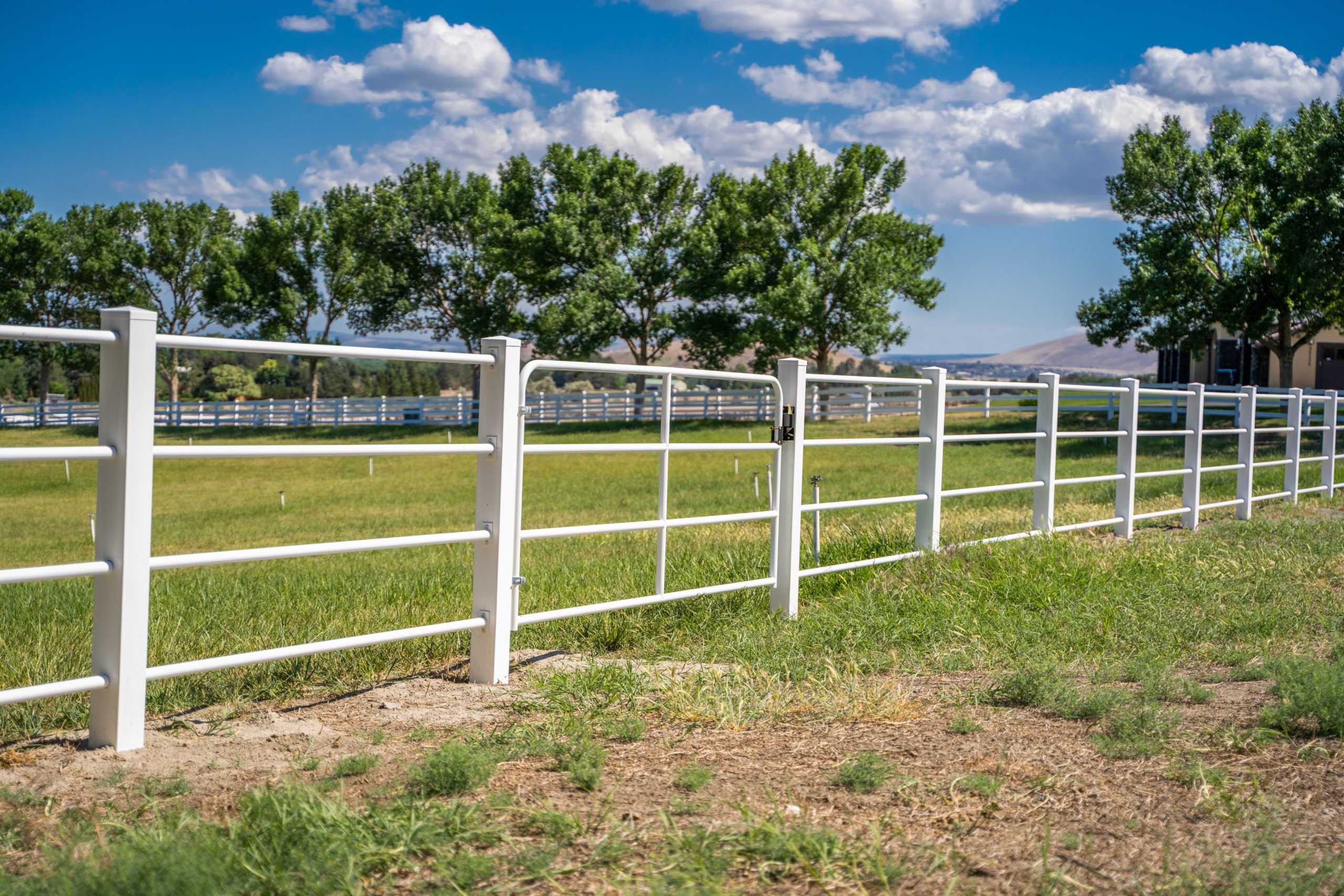
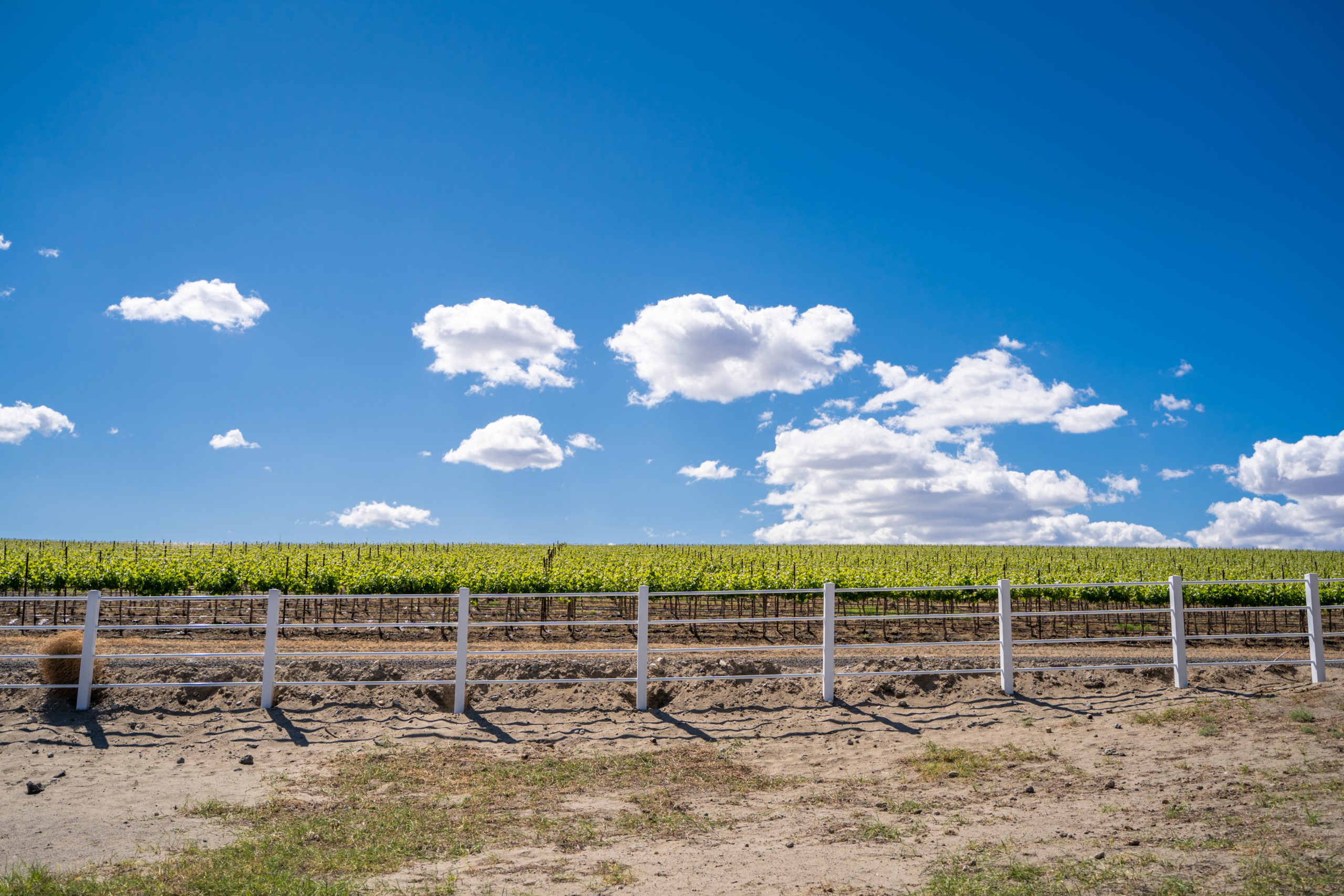
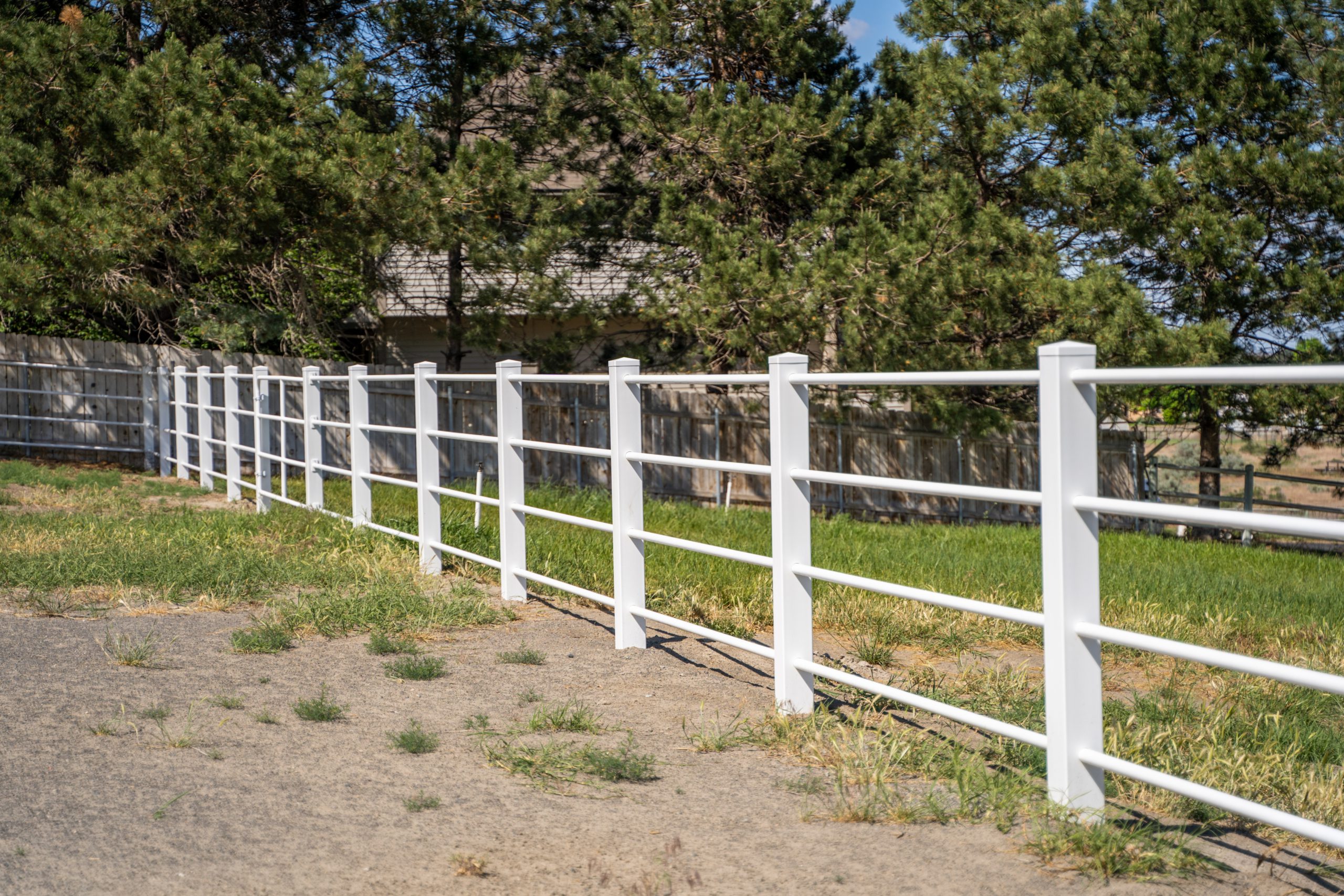
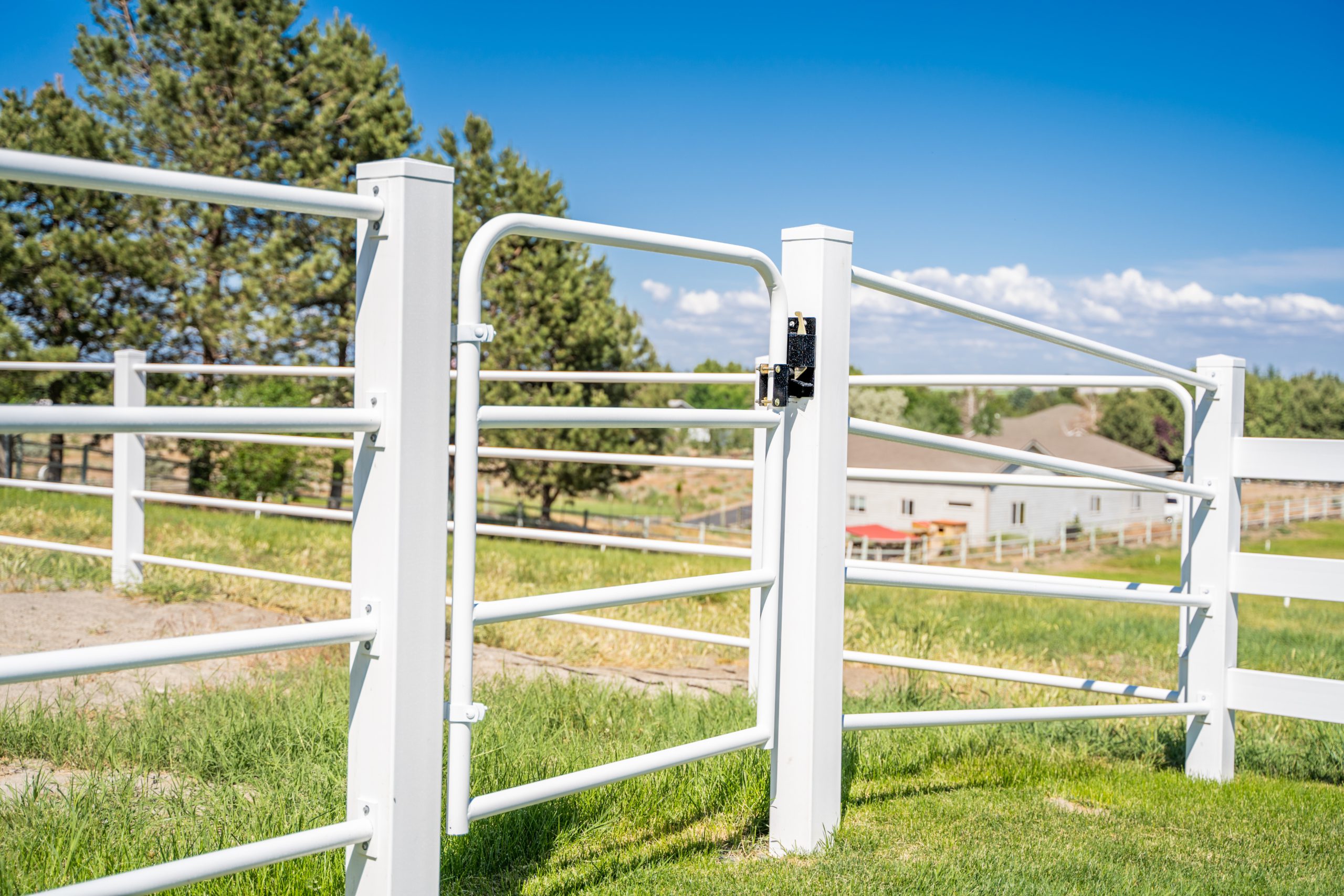
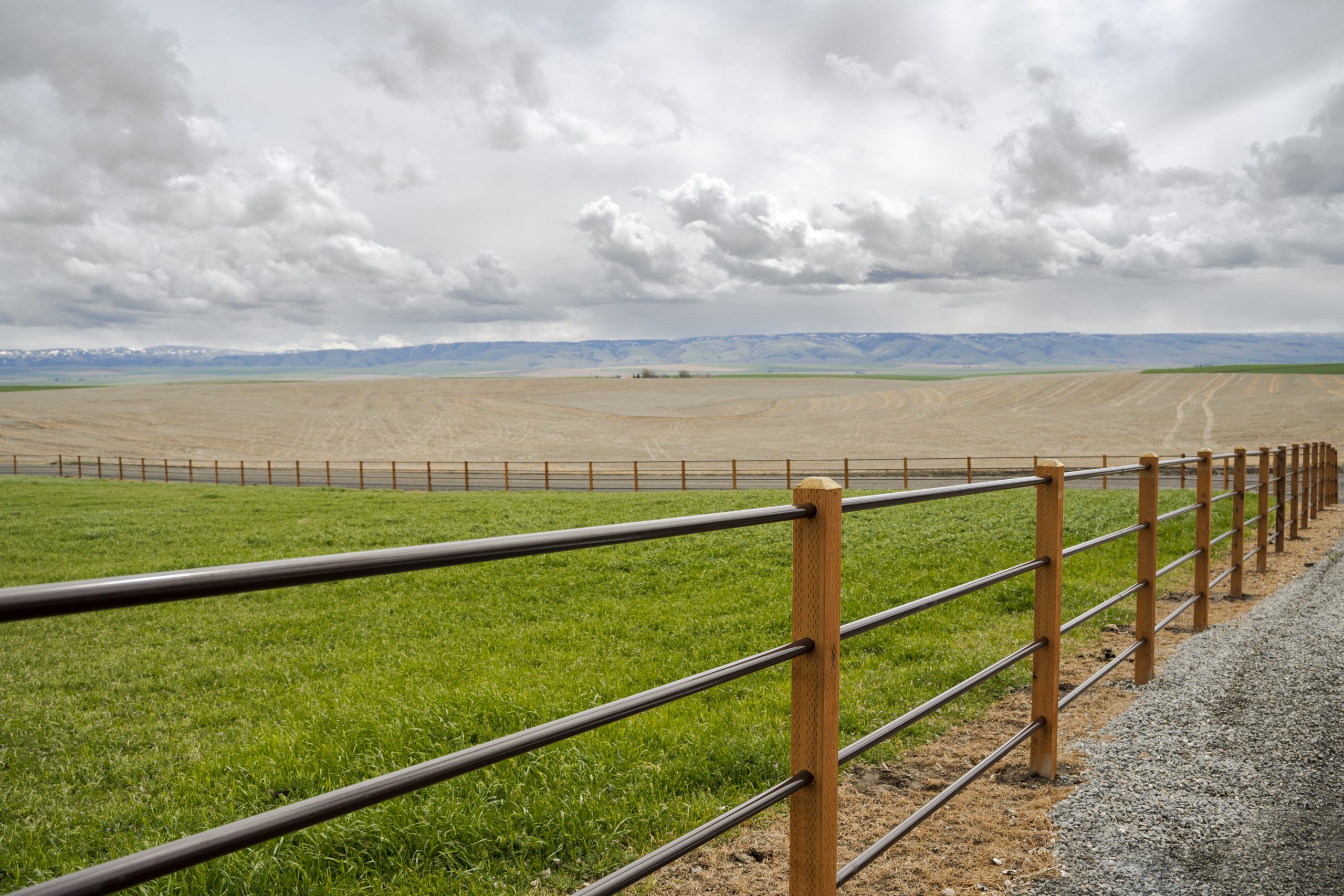
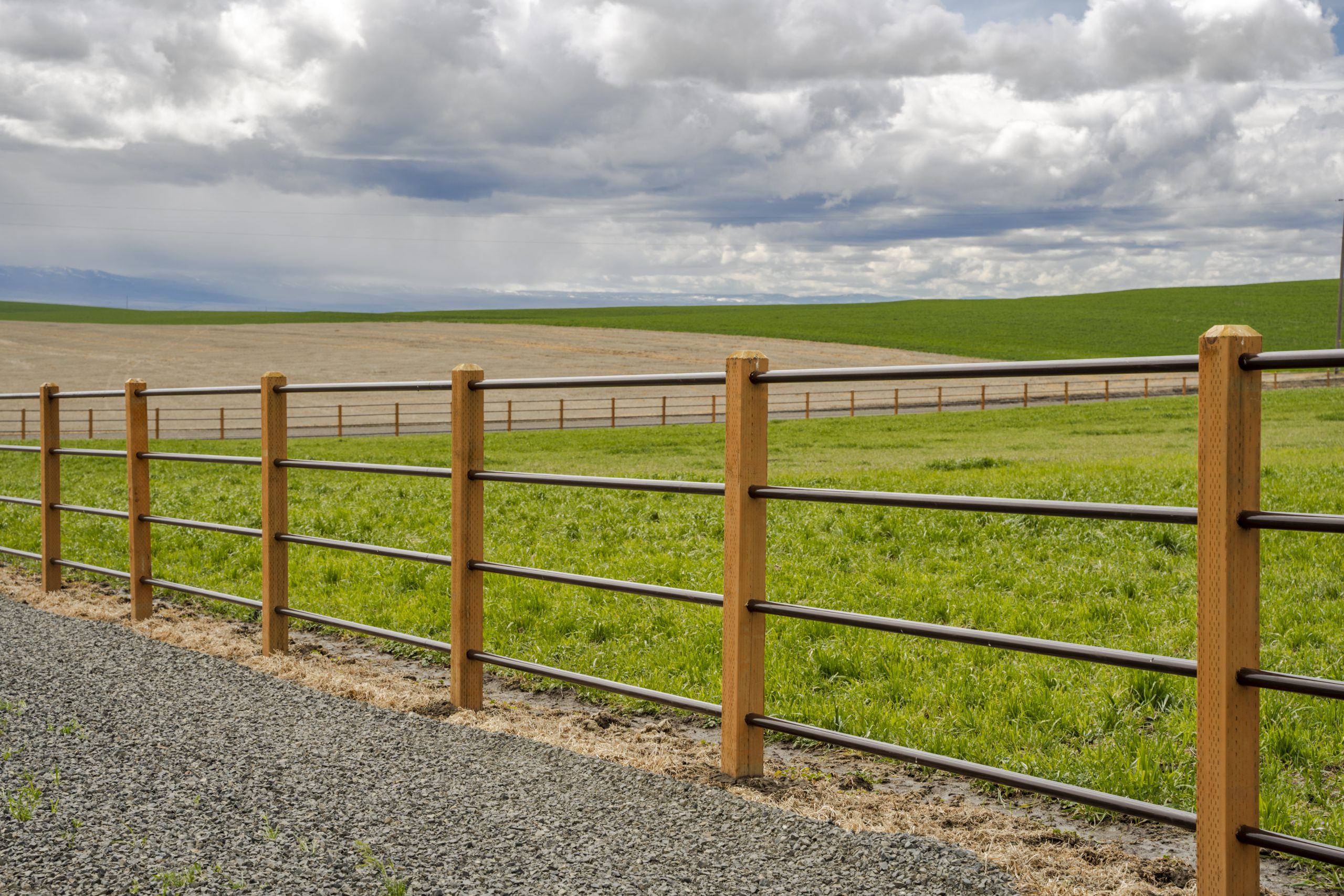
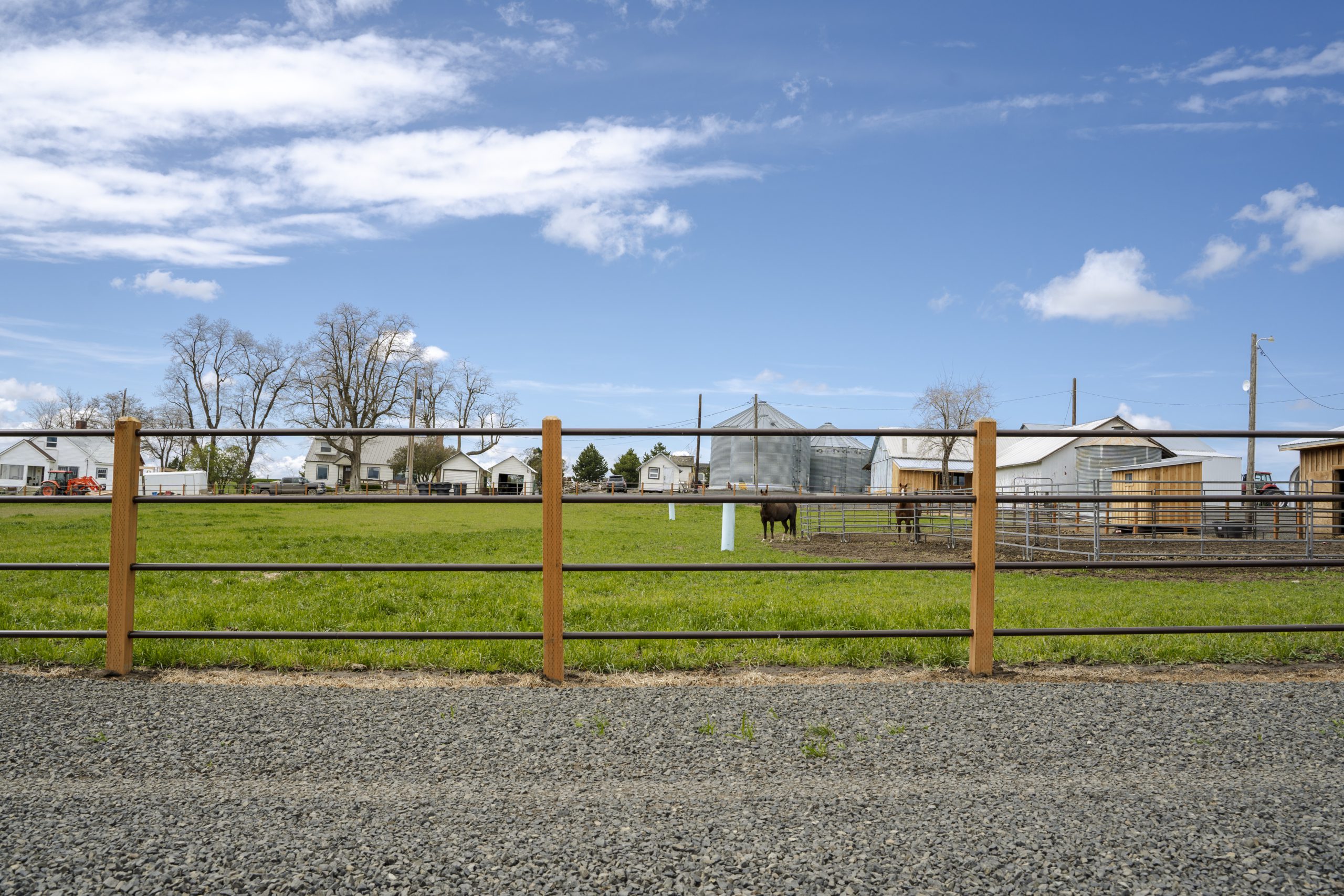
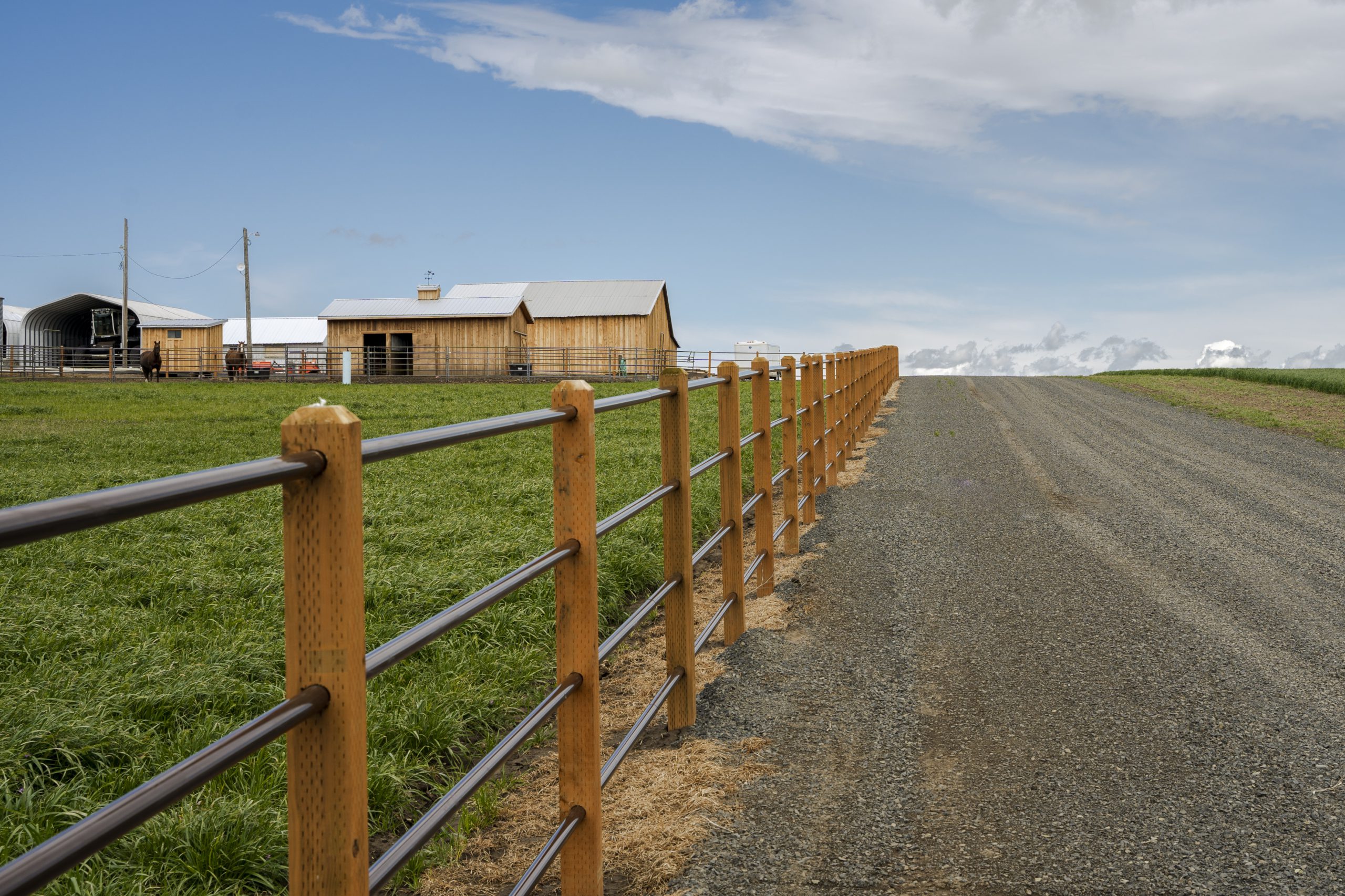
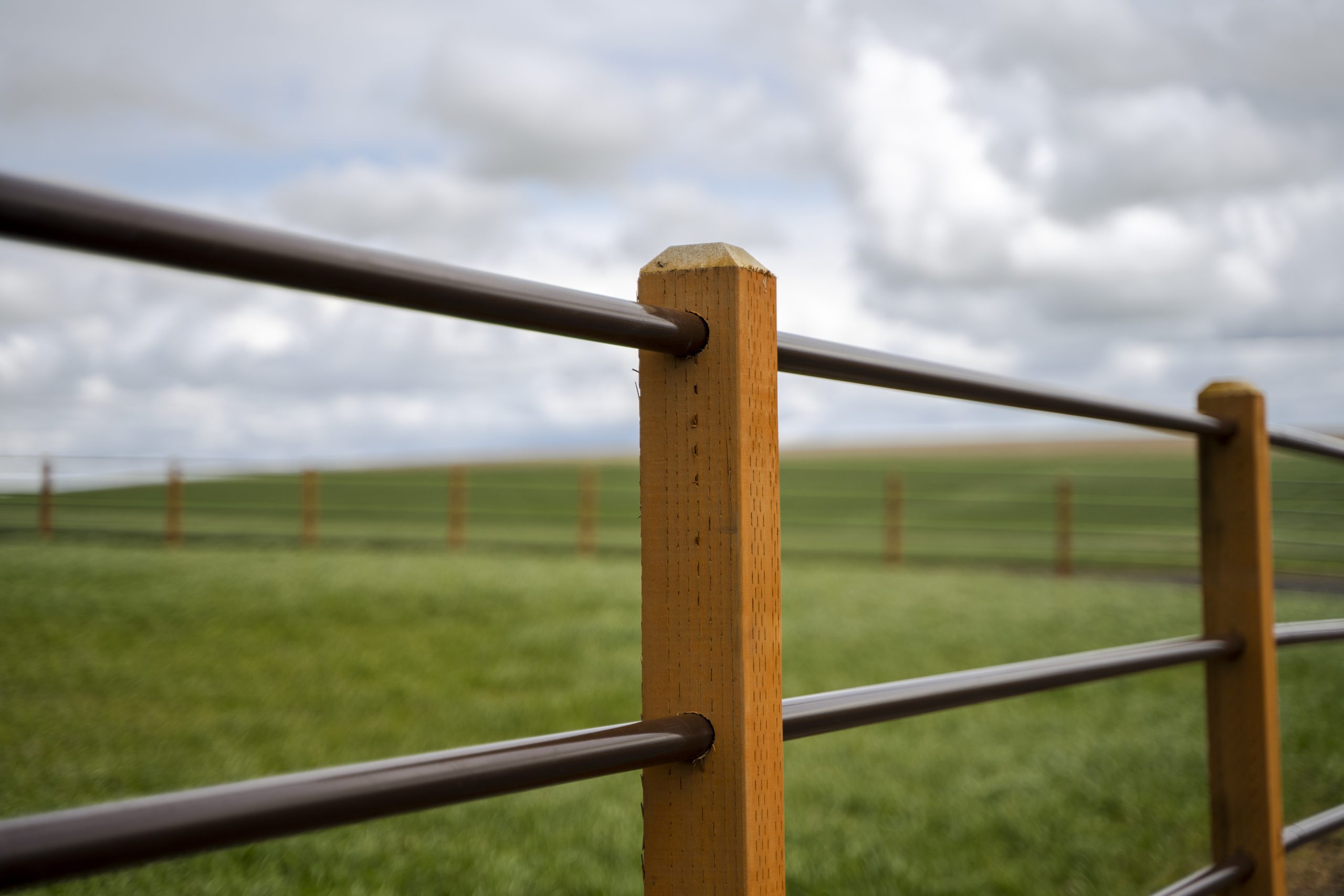
To see how pipe rail pasture fencing comes to life across different layouts, post styles, and design details, explore the gallery below to view real-world examples that match the look you’re considering.


Pipe Rail Pasture Fence Installation FAQs
Below are answers to some of the most common questions homeowners ask about pasture rail fence longevity, staining, maintenance, and seasonal protection — so you know what to expect and how to keep your fence looking its best over time
-
-
Does pipe rail pasture fencing provide privacy?
No. Pipe rail pasture fencing is designed to create a durable boundary while maintaining an open appearance rather than blocking visibility. -
Can pipe rail pasture fencing contain animals?
Pipe rail fencing is commonly used around pasture areas and livestock enclosures. In some installations, wire mesh may be added behind the rails to help contain animals. -
How many rails does a pipe rail pasture fence have?
Most pipe rail pasture fences use 2-Rail or 3-Rail configurations, though some installations use 4-Rail layouts depending on the property and intended use. -
What is pipe rail pasture fencing made from?
Pipe rail pasture fencing uses steel pipe rails and metal posts designed for outdoor durability and structural strength.
-
Request an Estimate for Pipe Rail Pasture Fence Installation in Oregon & Washington
If you are considering pipe rail pasture fencing for your property in Oregon & Washington, Rick’s can review layout options, rail configurations, and gate placement to determine the best installation for your property.